The Price on the Shelf Wasn't the Price at the Register, the FTC Says
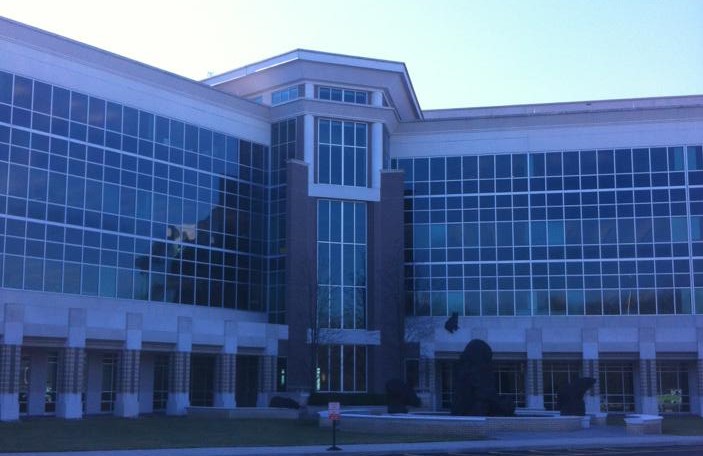
Photo: Excel23 / CC BY-SA 4.0 · via Wikimedia Commons
The Price on the Shelf Wasn't the Price at the Register, the FTC Says
A Monday filing in Tennessee takes aim at the dollar-store giant
The Federal Trade Commission, joined by 20 states, sued Dollar General on Oct. 26, accusing the discount chain of long-running deceptive pricing: shoppers were routinely charged more at the register than the prices shown on shelves, tags and advertisements, costing consumers millions of dollars. The complaint was filed in the U.S. District Court for the Middle District of Tennessee. The plaintiffs seek a permanent injunction, monetary relief and civil penalties. Commissioners voted 2 to 0 to bring the case. The 20 states are Alabama, Arizona, Arkansas, California, Connecticut, Florida, Illinois, Iowa, Kansas, Louisiana, Michigan, Mississippi, Nebraska, New Jersey, North Carolina, Ohio, Oklahoma, Tennessee, Utah and Wisconsin.
"Betrayed the trust of millions," the FTC says
" Dollar General has betrayed the trust of millions of American consumers and imposed significant financial harm," said Christopher Mufarrige, director of the FTC's Bureau of Consumer Protection. The complaint alleges that Dollar General has, for years, repeatedly mislabeled prices and overcharged shoppers despite extensive corporate knowledge of the problem. It accuses the company of taking advantage of vulnerable shoppers by extracting millions of dollars in unlawful overcharges with insufficient safeguards to prevent the practice, in violation of the FTC Act and state consumer protection and weights-and-measures laws.
Complaints, failed inspections and undercover testers
The evidence runs on three tracks: shopper complaints, government inspections and undercover buys. The complaint lists at least 29,265 customer complaints categorized as "Did Not Honor" advertised prices. A Guardian investigation from December 2025, cited across coverage of the suit, found Dollar General stores failed more than 4,300 government price-accuracy inspections across 23 states in three years. FTC investigators made undercover purchases at stores in Ohio, Pennsylvania, Missouri and Maryland over about two and a half months starting in January, and every round found register prices above the posted prices; one test in Cleveland found about 14 percent of items rang up higher than displayed. State audits in Ohio and New Mexico found stores there failing more than half of their inspections.
Paper labels can't keep up with the register
At the heart of the case is a mundane operational failure. When a price changes, the register updates automatically, but someone still has to walk the aisles and swap the paper shelf tags. Company policy calls for a five-hour shift each week dedicated to replacing outdated labels, yet the complaint says stores are kept too thinly staffed to get it done. The suit notes that the Guardian investigation was the subject of significant internal deliberation inside the company, suggesting management knew. Nor is this a first offense: since 2019 the company has entered seven settlements in six states over inaccurate pricing, paying a total of $6 million in penalties. Earlier this month, New York extracted a $1.875 million settlement after investigators found overcharges of up to 39 percent on individual items and failures in 43 percent of more than 900 weights-and-measures inspection reports from 2021 through 2023.
The shoppers who can least afford it
Dollar General, based in Goodlettsville, Tennessee, operates more than 21,000 stores and pitches itself as a low-price lifeline for low- and fixed-income households. That positioning is now the FTC's cudgel: these are shoppers who rely on the accuracy of posted prices and have the least cushion to absorb being shortchanged. New York's attorney general added that the chain's receipts were difficult to understand, so many customers never noticed. Investors noticed quickly: Dollar General shares lost more than 4 percent in afternoon trading on the day the suit was announced.
Dollar General pushes back on the math
In an Oct. 26 regulatory filing, Dollar General said it had cooperated with FTC staff since early February 2026 and received a draft complaint on Sept. 23. The company disputes the agency's proposed redress methodology as unsupported and overstated, and says it intends to vigorously defend the matter. The case is only beginning; no court has ruled on the injunction, refunds or penalties. For shoppers, the practical takeaway needs no verdict: check the receipt before leaving the store, and speak up when the register disagrees with the shelf.
Sources
- Federal Trade Commission: FTC and State Partners Sue Dollar General for Charging Consumers More than Advertised for Many Products
- The Guardian: FTC and 20 states sue Dollar General, accusing bargain chain of overcharging customers
- CNBC: FTC, 20 states sue Dollar General over prices
- Quartz: FTC and 20 states sued Dollar General for charging above shelf prices
- U.S. News: Dollar General Overcharged Shoppers, FTC and States Allege in Lawsuit