Ringgit and Won Lead Asia FX Higher as Taiwan Dollar Lags
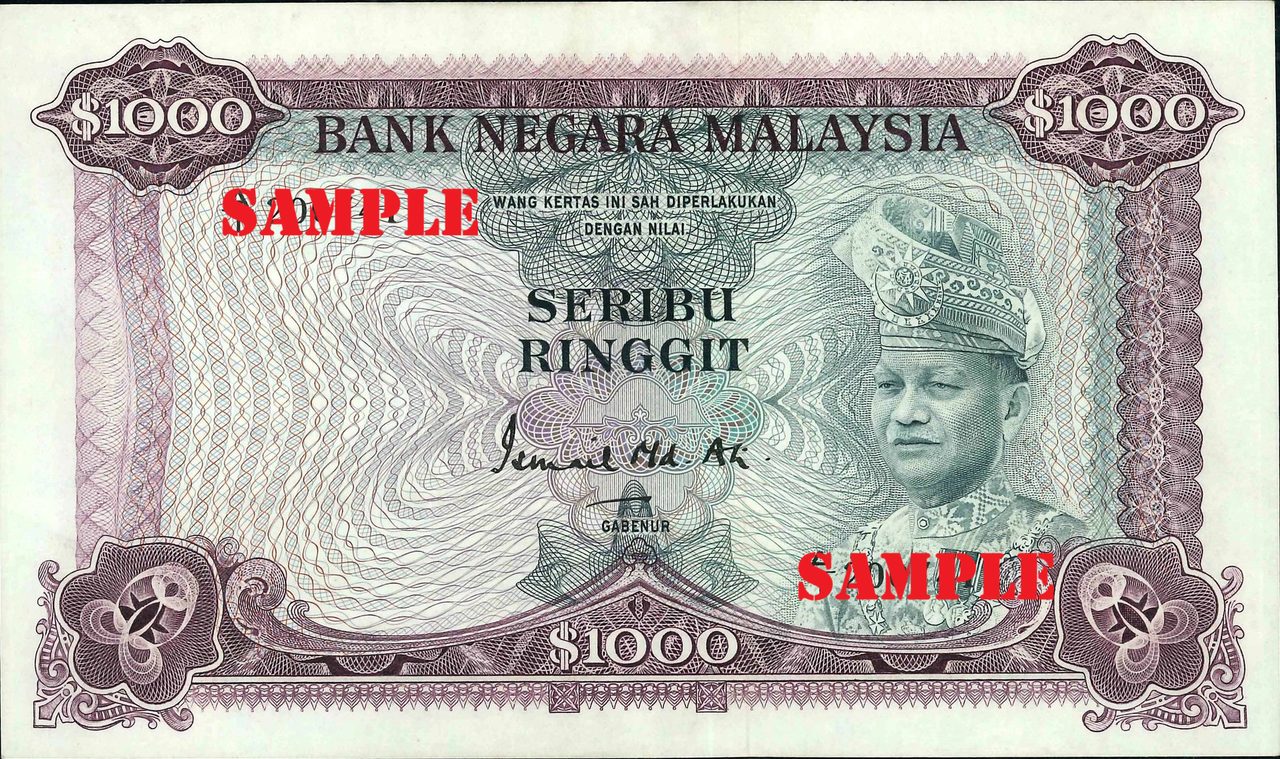
Photo: Bank Negara Malaysia / Public domain · via Wikimedia Commons
Ringgit and Won Lead Asia FX Higher as Taiwan Dollar Lags
Ringgit jumps 0.27% to lead the region, won follows
Most Asian currencies firmed in morning trade on Oct. 30, with the Malaysian ringgit rising 0.27% to 4.046 per dollar, the sharpest gain in the region, according to CNBC Indonesia. The yen added 0.16%, the rupiah 0.14% to 18,100 per dollar, while the won and the Singapore dollar each rose 0.12%, the Philippine peso 0.05% and the yuan 0.03%. The Taiwan dollar was the regional laggard, sliding 0.15%, followed by the Thai baht at minus 0.03% and the Vietnamese dong at minus 0.02%.
Exporter conversions underpin the ringgit's advance
Corporate conversion flows sit behind the ringgit's strength. The Star, citing analysts, reports that Malaysia's foreign-currency deposits fell 8.6% to 308 billion ringgit (about $75.5 billion) in August, the sharpest monthly drop since 2010, suggesting exporters flush with semiconductor earnings are converting dollars into ringgit. The currency rallied 1.5% against the dollar in August and ranks as Southeast Asia's second-best performer this year after the Singapore dollar. BNP Paribas expects conversions to continue and, alongside solid fundamentals and foreign direct investment inflows, sees the ringgit reaching 3.90 per dollar by June 2027 from around 4.08 now. Bank Negara Malaysia has reiterated that it encourages state-linked and private firms to repatriate and convert foreign-currency income, echoing South Korea's push for exporters to bring overseas funds home.
Won holds near 1,320 as surplus keeps dollars flowing
Month-end dollar selling by exporters has kept the won elevated. The Seoul Economic Daily reports the won closed daytime trade at 1,323.7 per dollar on Oct. 27, opening at 1,325.0 and swinging between 1,322.8 and 1,326.5, with exporter sales and foreign buying of local stocks offset by caution ahead of the Federal Reserve's decision. Yonhap reports the won averaged about 1,342.6 per dollar over the first 12 October sessions, its firmest since September 2024, and quotes Shinhan Bank economist Baek Seok-hyun saying September's average daily trade surplus approached $2.5 billion, dwarfing net foreign selling of Korean equities, with the semiconductor boom driving dollar supply.
Taiwan dollar down 3% this year as outflows offset exports
The Taiwan dollar keeps diverging from blockbuster trade data. The Taipei Times reports the NT dollar has fallen 3% this year, among Asia's weakest major currencies, with central bank Governor Yang Chin-long telling lawmakers the slide reflects foreign investors cashing out of the tech-led stock rally and moving funds abroad, with cumulative outflows of $77.6 billion as of the week ending Oct. 21. ING analysis carried by FXStreet argues record surpluses have not lifted the currency because Taiwanese firms are expanding outward investment while a wide yield gap with the United States and other developed markets fuels capital outflows. With September inflation at 2.7% year on year and export prices up 25.8%, ING sees a solid case for a central bank hike at the December meeting, while noting there is still a long way to go before then.
Fed on hold while December-hike bets steer the dollar
The dollar's path remains the key variable for Asia. Reuters reports the Federal Reserve held rates at 3.75% to 4.00% in a 10-2 decision, with Lisa Cook and Beth Hammack dissenting in favor of a 25-basis-point hike, and Chair Kevin Warsh expressing confidence inflation can return to target without slowing growth or raising unemployment. Traders scaled back bets on 2027 hikes but still price a 78% chance of a December increase, leaving the dollar index at 102.26. For Asia, the balance is two-sided: stickier-than-expected U.S. data or another leg higher in long-end Treasury yields could pull capital back to dollar assets, while a cooling of hike expectations would extend the conversion-driven rallies in the ringgit and the won. Whether the Taiwan dollar stabilizes depends less on exports than on when foreigners stop selling Taiwan equities.
Sources
- CNBC Indonesia: Dolar Takluk di Asia: Ringgit Jadi Raja, Rupiah-Won Tak Kalah Perkasa
- The Star: Exporter dollar sales bolster Malaysian ringgit, analysts say
- Yonhap: Won strengthens on robust exports, increased dollar supply
- Seoul Economic Daily: Won Holds Near 1,320 Against Dollar as Exporters Sell Ahead of Fed Meeting
- Taipei Times: NT dollar’s drop tied to stocks: official