Apple Sends Stores a Playbook for the iPhone Duo's Cracked Folding Screens
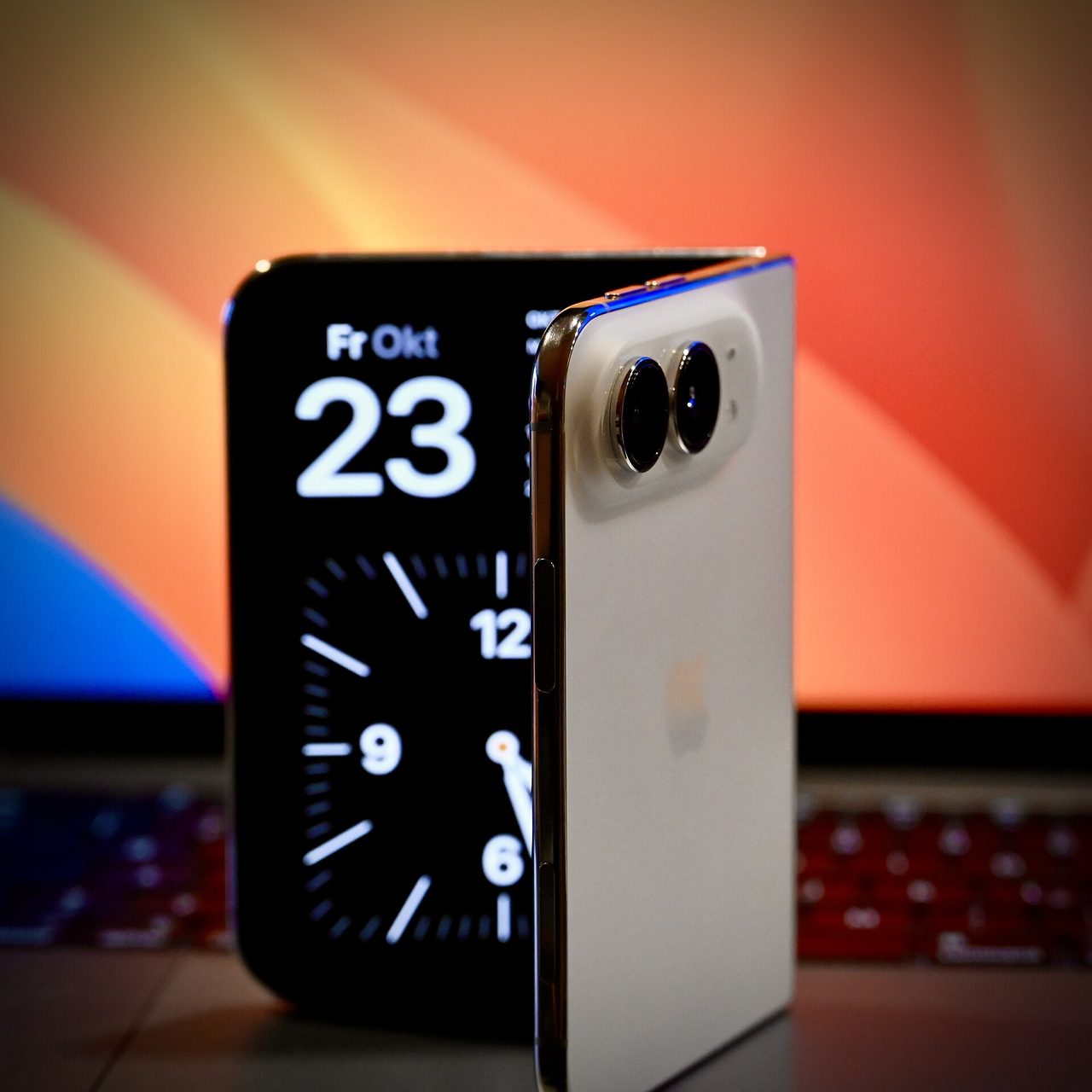
Photo: SimonWaldherr / CC BY 4.0 · via Wikimedia Commons
Apple Sends Stores a Playbook for the iPhone Duo's Cracked Folding Screens
A $1,999 Debut Followed Within Days by Hinge Cracks
Apple's first foldable phone, the iPhone Duo, went on sale on October 23 starting at $1,999. Within days, a handful of owners posted photos of cracked inner displays, with the damage running along the hinge. Tom's Guide reported that early adopters from the United States to China and Australia saw the same pattern, suggesting the problem was not limited to one market. In most cases the crack produced a bright line across one side of the screen.
Apple Acknowledges a Problem on a Small Number of Units
On October 26, Apple responded to 9to5Mac, CNBC and other outlets, saying it was aware of an issue affecting the inner display on a small number of iPhone Duo units. The company's full statement paired enthusiasm about early demand and developers updating apps with a direct instruction: anyone seeing display trouble should contact AppleCare for a replacement. CNBC quoted an Apple representative confirming that affected phones qualify for replacement.
This Week's Memo Puts Diagnosis Steps in Technicians' Hands
On October 30, MacRumors reported that Apple had shared an internal memo with Apple Stores and Apple Authorized Service Providers, giving technicians guidance on how to diagnose and handle the inner-display cracking. The Verge, following up the same day, called the instructions straightforward but noted that issuing a formal memo suggests the issue is widespread enough to need official guidance. Under the memo, staff examine a reported device and then repair or replace it through established service channels.
The Failure Pattern Is Strikingly Consistent
Coverage agrees on the symptoms: a crack starting at the hinge, often with a bright pixel line running from the center toward the right side. social media users, who dubbed the episode crackgate, were reported by PCMag as saying one user seeing the crack after about six hours of ownership. 9to5Mac noted that some buyers secured replacement units at the Apple Store where they purchased, while customers who bought through third-party carriers without launch stock had a harder time.
Attention Turns to a Hinge Bar Pressing Against the Screen
The leading explanation points at the hinge rather than the display panel. The Los Angeles Times cited repair specialist iFixit's assessment that a hinge component fails and cracks the screen, adding that users felt a bump under the display where the crack began. A CT-scan analysis by iFixit suggested a small center support bar does not drop far enough out of the way when the phone folds, so the curved display presses against it and the pressure creates a crack.
What Owners and Wait-and-See Buyers Should Do Next
For current owners, the practical advice across outlets is simple: inspect the inner display near the hinge for cracks or bright lines, keep proof of purchase, and contact AppleCare or visit a store promptly if anything looks wrong. Prospective buyers weighing the $1,999 starting price may prefer to wait for Apple to define the affected batch or confirm a hardware fix. The open questions now are whether Apple widens replacement eligibility, whether later production runs change the hinge behavior, and how the company addresses a flaw on its most expensive iPhone yet. Discussion question: If you had paid $1,999 for a first-generation folding phone and its inner screen cracked along the hinge within days, would you push for an immediate replacement, return it outright, or keep using it while waiting for a definitive fix, and what would tip your decision?
Sources
- MacRumors: Apple Alerts Stores to iPhone Duo's Display Cracking Issue
- The Verge: Apple Stores reportedly got a memo about iPhone Duo screen cracks.
- 9to5Mac: Apple responds to reports of iPhone Duo’s inner display cracking
- CNBC: Apple responds to user reports of broken iPhone Duo screens on new foldable phone
- Los Angeles Times: Apple’s new foldable iPhone is cracking after hours or days of use