Judge Asks Whether Trump's Rush to Build DC Arch Is Just to "Bedazzle the City"
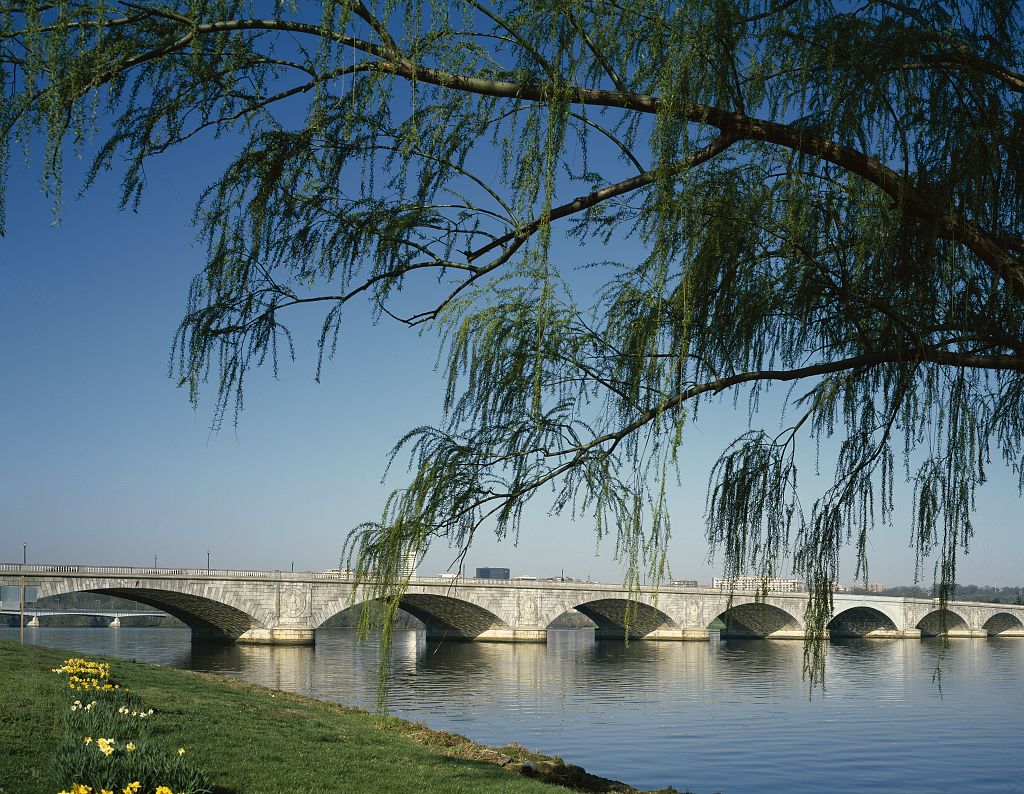
Photo: Carol M. Highsmith / Public domain · via Wikimedia Commons
Judge Asks Whether Trump's Rush to Build DC Arch Is Just to "Bedazzle the City"
A Sharp Exchange in Court Over the Rush
A federal judge sharply questioned the Trump administration on October 30 over its rush to build a controversial 250-foot triumphal arch in Washington, asking a government lawyer: "What's the harm to the government to wait 3 or 4 months? What's the rush to put this arch up?" U.S. District Judge Tanya Chutkan wondered aloud whether the president's main desire was simply to "bedazzle the city." She said she would rule expeditiously on whether construction can proceed.
The Project: A 250-Foot Arch by the Cemetery
The proposed arch would stand 250 feet (76 meters) tall at Memorial Circle, at the foot of Arlington National Cemetery and across the Potomac from the Lincoln Memorial. First pitched as a monument for the country's 250th birthday, the project now has a 106-page final plan depicting a structure more than 12 stories high, crowned by a huge bronze statue of a winged Lady Liberty carrying a torch with an eternal flame, plus an observation deck, an occupied roof and two mezzanines.
The Administration's Case: Tourist Draw and Drone Defense
The government now argues the arch would serve both as a tourist attraction and as a military complex, available to the military and the Secret Service to defend the capital against drone attacks and other threats. Homeland Security Secretary Markwayne Mullin and Defense Secretary Pete Hegseth each submitted sworn declarations backing that claim, and Assistant Attorney General Robert Stander called it "absolutely a high-profile project," saying delay would harm the government. Chutkan pressed him on how the same structure could host some 22,000 visitors a day and store drones and munitions, noting the government's own plan never mentions drones or defense.
Why the Hurry: Work Could Start Days After the Midterms
In court filings, the administration said the National Capital Planning Commission meets on November 5 and could approve the final plans that day, with construction able to begin as early as November 5, just days after the midterm elections. Three Vietnam veterans and a historian who sued earlier this year asked for an emergency order halting any work, arguing the administration hopes to present the court with a fait accompli. The Justice Department countered that the plaintiffs lack standing because plans will not be final until next week's commission meeting. Chutkan observed that under that logic, the plaintiffs would have only one day to sue.
Who Is Affected: Veterans, the Cemetery and Neighbors
The plaintiffs say the arch would undermine the sanctity of burial sites at Arlington and break the symbolic sightline from the Lincoln Memorial to Arlington House. One veteran plaintiff called the project disrespectful to those buried at Arlington. The administration itself acknowledged in September that the arch would cause "adverse effects" on views along the river that "cannot be fully avoided" because the location is "central to the undertaking." Arlington County, Virginia, sued on October 8, the first government body to challenge the project, faulting the National Park Service for speeding toward construction without full review. A September YouGov poll found 48 percent of Americans oppose the arch, 30 percent support it and 22 percent are unsure.
What Comes Next: A Ruling Before November 5
Chutkan signaled that the Supreme Court's recent decision letting White House ballroom construction continue during litigation does not decide this case, saying the mention of national security is not "talismanic." She openly doubted the claim that the arch would prevent assassination attempts against the president, noting: "It's going to be completed three years from now." All eyes are now on whether she issues an injunction before the planning commission votes.
Sources
- CNN: Judge asks if Trump’s desire to rush triumphal arch in DC is to ‘bedazzle the city’
- Politico: Judge weighs blocking construction of Trump’s triumphal arch
- CBS News: Judge set to hear arguments over blocking Trump’s proposed arch
- Newsweek: Judge Mocks Trump’s Arch Security Claim as She Weighs Construction Halt
- The Washington Post: Some veterans groups sit out fight over Trump’s arch