Waymo Bets on a Factory-Built Toyota bZ4X for Japan and the U.K.
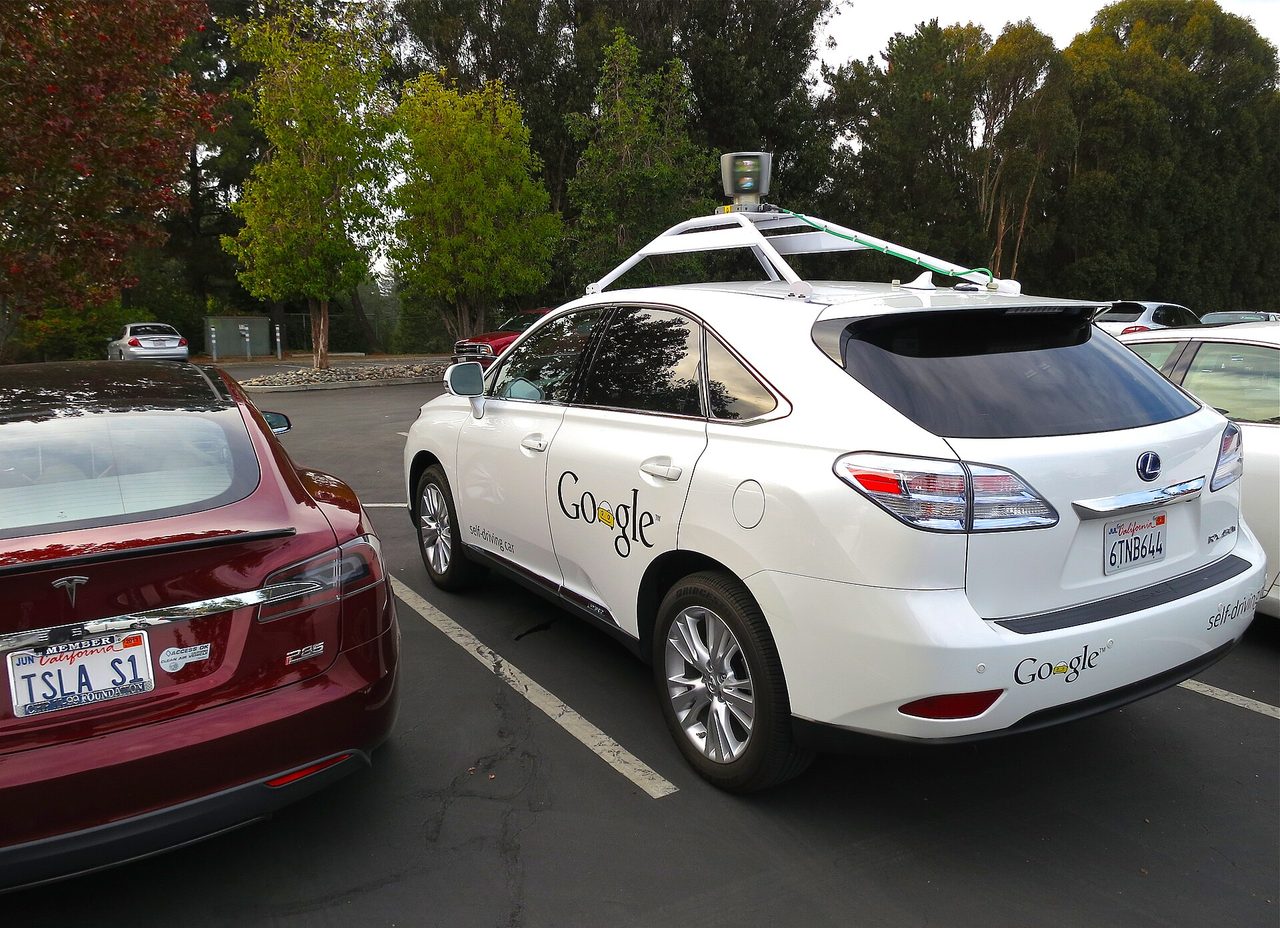
Photo: Steve Jurvetson / CC BY 2.0 · via Wikimedia Commons
Waymo Bets on a Factory-Built Toyota bZ4X for Japan and the U.K.
A Toyota SUV Joins the Robotaxi Fleet
Waymo has chosen Toyota's bZ4X electric SUV as its next robotaxi platform. The companies said initial testing and validation of an autonomous bZ4X fleet will begin in Japan in 2027, with deployment to the United Kingdom and other Waymo-served markets planned for the following years. The move turns a preliminary agreement from April 2025 into a concrete vehicle program.
Toyota's Takaoka Plant Builds the Car Start to Finish
Under the deal, Toyota will assemble the base vehicle and integrate Waymo's autonomous-driving hardware under one roof at its Takaoka plant in Toyota City, Aichi Prefecture. The robotaxis will roll off the same line as the regular bZ, known as the bZ4X in Japan. Rider-focused touches include generous rear legroom, automatic doors, a power liftgate, and ambient lighting for easier entry and exit.
Right-Hand-Drive Markets Come First by Design
Waymo co-CEO Dmitri Dolgov said the rollout would start with right-hand-drive markets. For Toyota, the program ties its electric-vehicle platform to a mobility service business; for Waymo, Toyota's global manufacturing system offers a faster path to mass-producing its validated Level 4 autonomous-driving system at factory scale. Dolgov framed the choice as a manufacturing shortcut: building a right-hand-drive car at Takaoka opens both Japan and the U.K. at once. "We'll start with the right-hand drive markets in Japan and the UK," he said, adding that the partnership could extend beyond them but that no other countries or timelines were ready to share. Japan and the U.K. both drive on the left, and building a right-hand-drive car at Takaoka gives Waymo a manufacturing shortcut into both.
Tokyo Riders and Taxi Partners Feel It First
The timing dovetails with Waymo's Tokyo plan. In September, Waymo said it was targeting fully driverless commercial rides in Tokyo in 2027 with taxi operator Nihon Kotsu and ride-hailing app GO, scaling gradually to about 100 vehicles, pending regulatory approval. Neither company disclosed fleet volumes, sensor specifications, or per-vehicle costs for the Toyota program, and commercial service dates beyond Japan remain unannounced.
Validation First, Then Scale Abroad
The next step is a year of testing and validation in Japan, alongside national and local regulatory approvals, before commercial service follows. Tokyo police are already setting up a dedicated unit for autonomous-driving permits and crash investigations. If the Tokyo playbook works, Toyota's high-volume factory integration becomes Waymo's template for the U.K. and beyond.
Sources
- TechCrunch: Waymo taps Toyota to supply robotaxis for Japan and the U.K.
- The Verge: Waymo’s next robotaxi is a purpose-built Toyota bZ4X
- InsideEVs: Toyota Is Turning The bZ EV Into A Waymo Robotaxi, Starting in 2027
- Electrek: Waymo picks Toyota bZ4X as its next robotaxi, starting in Japan in 2027
- The Next Web: Toyota will turn its bZ electric SUV into Waymo robotaxis from 2027