Testosterone for Low Libido Tied to Sharp Rise in Heart Risk for Older Women
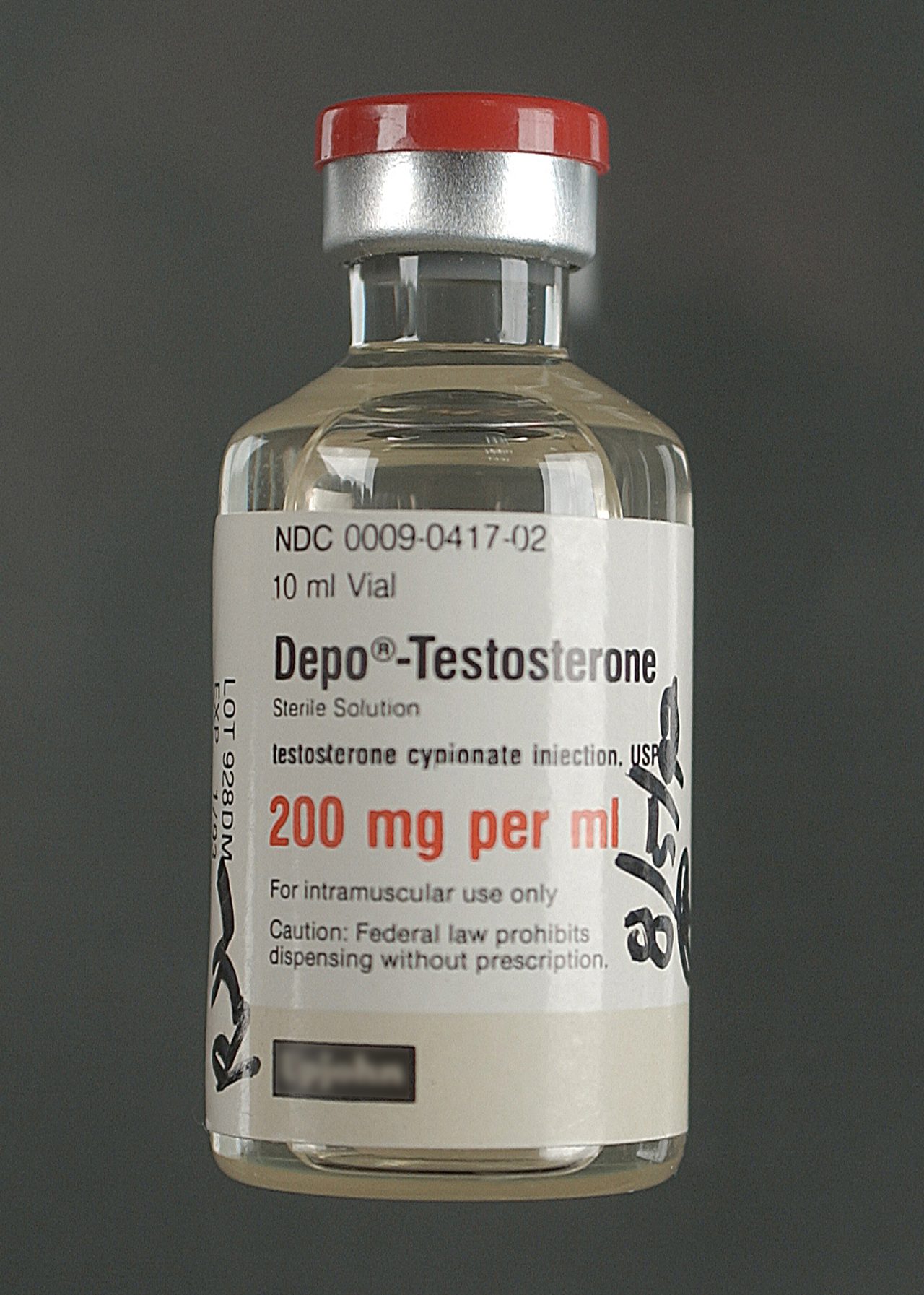
Photo: U.S. Drug Enforcement Administration / Public domain · via Wikimedia Commons
Testosterone for Low Libido Tied to Sharp Rise in Heart Risk for Older Women
A Safety Signal From 6,300 Women
Testosterone therapy in postmenopausal women is linked to a sharply higher risk of heart attack, stroke, heart failure and other cardiovascular events, according to a large retrospective study presented at the 2026 Annual Meeting of The Menopause Society in San Diego, held October 20–24, 2026. Researchers analyzed health data from more than 6,300 menopausal women aged 45 and older, about half of whom had been prescribed testosterone, and followed them for nearly three years on average.
An Off-Label Fix With Thin Safety Data
Testosterone is not routinely recommended for postmenopausal women, in large part because long-term safety data remain limited. Still, it is widely prescribed off label to women struggling with low libido. The new study, led by Dr. Xuezhi Daniel Jiang, professor of obstetrics and gynecology at the Drexel University College of Medicine, set out to quantify the cardiovascular cost of that practice using a propensity-matched cohort design.
Events Rose From 0.5% to 3.8%
The composite cardiovascular endpoint included angina, myocardial infarction, ischemic heart disease, ischemic stroke and heart failure. Nearly 4% of women given testosterone experienced one of these events, compared with 0.5% of those not prescribed the hormone — about 38 events per 1,000 treated women versus five per 1,000 untreated. The hazard ratio was 8.08, with a 95% confidence interval of 4.72 to 13.82, and the association held across multiple analyses.
"Balance Individualized Risks and Benefits"
"Cardiovascular disease remains the No. 1 killer of women, and studies like this are important as long-term safety data on testosterone use in women are lacking," said Dr. Stephanie Faubion, medical director of The Menopause Society and a women's health researcher at Mayo Clinic, in a news release. "The findings are a reminder for healthcare professionals to carefully balance individualized risks and benefits when prescribing testosterone."
Doctors Urged to Check Hearts First
Anna Cabeca, a Dallas-based board-certified OB-GYN and menopause specialist, said women considering testosterone therapy should have their overall health reviewed first — including heart history, blood pressure, cholesterol, metabolic health, current medications and family history — before starting treatment.
Low Absolute Rates, More Research Needed
The researchers stressed that absolute event rates were low and described the finding as "a potentially important cardiovascular safety signal" rather than a verdict. Because the work is an observational analysis reported as a meeting abstract, they said the consistency of the association warrants further prospective study before clinical guidance changes.
Discussion: How would you weigh the trade-off?
If you or a loved one were considering testosterone for low libido, which number would matter more to you — an eightfold relative risk, or an absolute rate under 4%? What should doctors be required to disclose before prescribing it off label?
Sources
- Fox News: Testosterone therapy may raise cardiovascular risk after menopause
- U.S. News: Testosterone Therapy Linked To Heart Attack, Stroke Among Aging Women
- HealthDay: Testosterone Therapy May Raise Heart Risks for Aging Women
- Drugs.com: Testosterone Therapy Linked To Heart Attack, Stroke Among Aging Women MedNews
- AARP: Study Links Testosterone Therapy to Heart Risks in Older Women