Byron Donalds Defeats David Jolly to Become Florida's First Black Governor
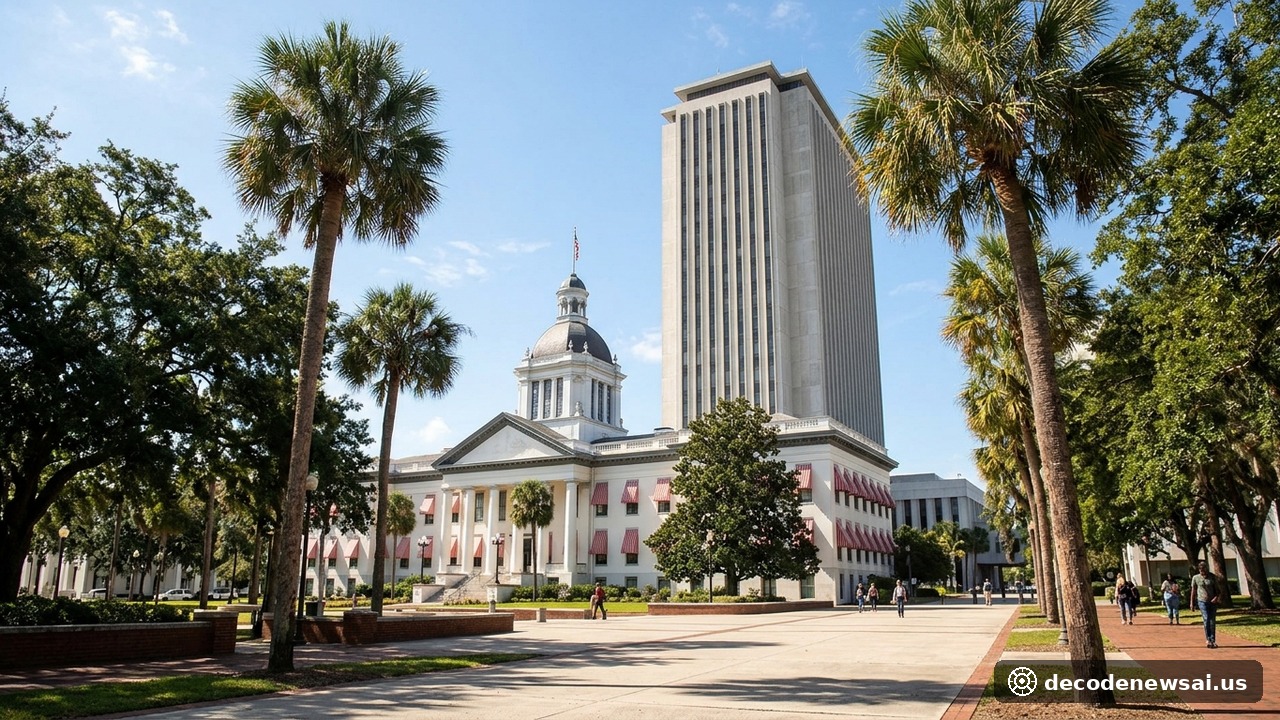
Photo: AI-generated
Trump-backed Republican congressman wins as Florida remains under GOP control
Republican U.S. Rep. Byron Donalds defeated former Republican-turned-Democrat David Jolly in Florida's 2026 gubernatorial election. The Associated Press called the race for Donalds, and CBS News, NBC News and local outlets also projected him as the winner. Donalds will succeed Republican Gov. Ron DeSantis, who was barred by term limits from seeking another consecutive term. Donalds will become the first Black governor in Florida's history and the first Black Republican elected governor in U.S. history. Donalds, 48, has represented a Southwest Florida district in the U.S. House since 2021. He is a member of the House Freedom Caucus and a close ally of President Donald Trump. His campaign emphasized lowering living costs, cutting property taxes, reforming homeowners insurance and expanding school choice. He also promised to continue many of the conservative policies pursued by DeSantis. CBS News reported that Donalds sought to present himself as a candidate who could promote economic growth while maintaining the state's Republican direction.
Property taxes, homeowners insurance and education shaped the campaign
Florida families have faced pressure from rising homeowners insurance premiums, property taxes and housing costs. Donalds made those concerns central to his campaign. He supported eliminating property taxes on homesteaded homes and proposed streamlining development permits and removing certain insurance surcharges. Axios reported that Donalds raised more than $130 million during the campaign, received Trump's endorsement and appeared with the president at rallies in the final stretch. Jolly, a former Republican congressman who later joined the Democratic Party, focused on Florida's affordability problems, reforming the property insurance market and restricting new data-center development. He sought to attract independent voters dissatisfied with the Trump administration. Florida had backed Trump by a wide margin in 2024, and Donalds repeatedly emphasized his policy alignment with the president. The race became a test of whether national dissatisfaction with Republicans would affect Trump's home state. Democrats hoped that concerns about insurance costs and housing would make the contest more competitive, but Donalds maintained a narrow lead and won. The result suggests that Florida's political direction may be diverging from other states where Democrats made significant gains in the 2026 midterms.
A historic milestone does not change Republican dominance, but Donalds faces major state challenges
Donalds's victory extends Republican control of Florida's governor's office, which Democrats have not won since 1994. The Associated Press reported that the state has remained a Republican stronghold even as Democrats made substantial gains nationally. Florida's result therefore stands apart from the Democratic victories in other battleground states. Donalds's election also has national significance. CBS News reported that he will become the first Black Republican elected governor in the United States. Previous Black governors elected to office were Democrats. Donalds has spoken about his upbringing in Florida and the financial difficulties his family faced, saying those experiences shaped his political views. He has sought to broaden Republican support among Black voters by emphasizing personal advancement and economic opportunity rather than making race the central theme of his campaign. Donalds is scheduled to take office in January 2027. His administration will face long-running challenges involving homeowners insurance, hurricane risk, housing affordability, immigration and education. Republicans continue to control the state's main political institutions, giving Donalds room to pursue his agenda. Whether he can deliver on promises to reduce taxes and insurance costs will determine whether his historic victory translates into practical changes for Florida residents. The campaign also reflected the state's changing relationship with national politics. Jolly had previously represented Florida as a Republican in Congress before leaving the party, and he argued that a bipartisan approach could address insurance and housing costs more effectively. Donalds, by contrast, presented continuity with DeSantis as an advantage, while promising to make the state more affordable. The narrow result suggests that even in a state that has moved toward Republicans, cost-of-living concerns remain a major test for the next administration.
Sources
- Byron Donalds wins Florida governor's race, set to become first Black Republican governor in U.S. history
- GOP Rep. Byron Donalds wins Florida governor's race, becoming the state's first Black leader
- Republican Byron Donalds wins Florida governor's race
- Republican Byron Donalds wins Florida governor’s race
- Who Is Byron Donalds?