Democrats Win Control of Both Chambers, Reshaping the Final Two Years of Trump's Term
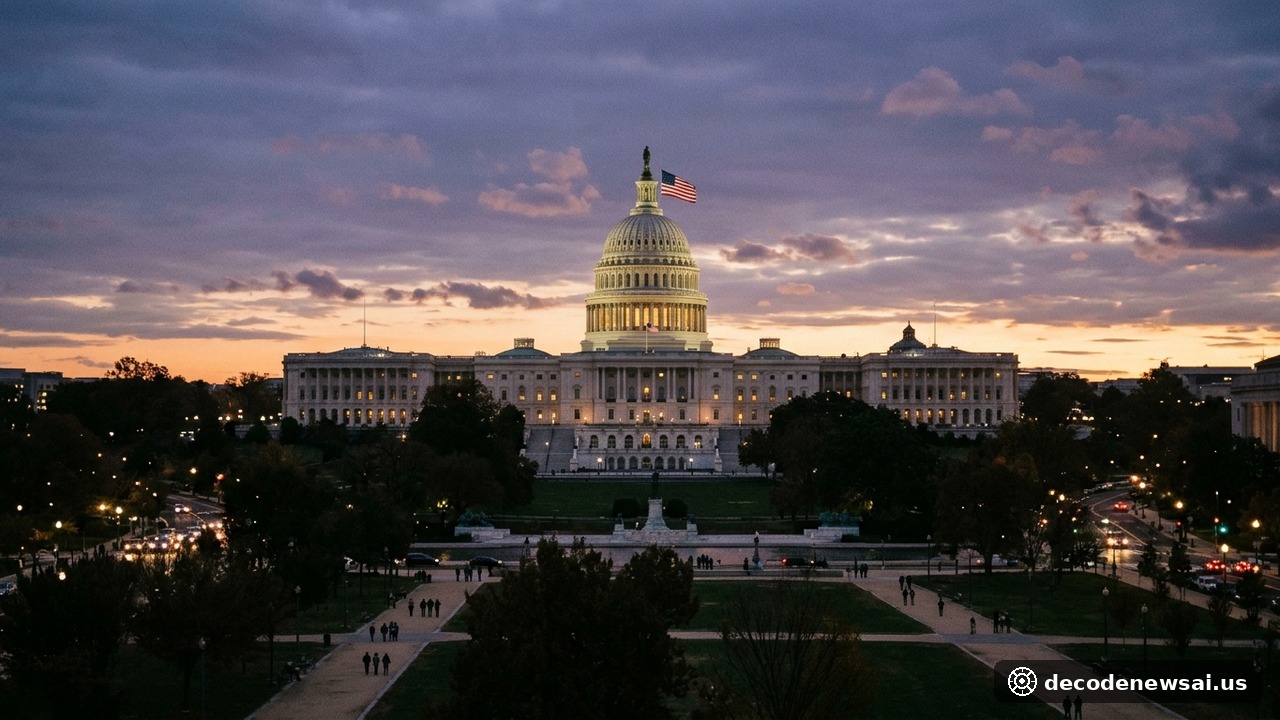
Photo: AI-generated
Republican strongholds flip as Democrats regain congressional power
The 2026 midterm elections produced a sweeping shift in Washington: Democrats won control of both the House of Representatives and the Senate, according to race calls reported by The Associated Press and other major outlets. Democrats flipped at least seven Republican-held Senate seats, in Kansas, Iowa, Texas, Ohio, Maine, North Carolina and South Carolina. They also gained more than two dozen House districts, including seats in areas that had supported Donald Trump by double-digit margins in 2024. The Senate contest in Alaska remained unresolved as ballots continued to be counted, so the national result should not be confused with a final tally in every race. The scale of the victories was notable because Democrats made gains beyond the traditional battleground map. In Texas, James Talarico defeated Republican Ken Paxton in the Senate race, while Gina Hinojosa defeated Gov. Greg Abbott and flipped the governor's office. Kansas elected Adam Hamilton, ending a long gap since the state last sent a Democrat to the Senate in 1932. Josh Turek's victory in Iowa, Troy Jackson's win in Maine and Sherrod Brown's return to the Senate in Ohio further changed the chamber's balance. Democrats also held important seats, including Jon Ossoff's seat in Georgia. The results give Democrats a congressional majority for the first time since 2023 and end the period in which Republicans controlled both chambers during Trump's second term. The Associated Press reported that Democrats also won several governorships, including in Georgia, Ohio, Iowa and Texas.
Cost-of-living concerns and dissatisfaction with the country's direction shaped the vote
Economic anxiety was a central feature of the election. Reuters, citing exit-poll findings, reported that nearly nine in ten voters considered the cost of living a major or crucial factor in their decision. Nearly two-thirds said Trump bore responsibility for high prices. Voters also expressed concern about government corruption and the direction of the country. The AP's election coverage similarly identified high costs, the war with Iran and corruption concerns as important themes in the results. Those findings do not necessarily mean that voters endorsed every part of the Democratic platform. The Guardian's analysis described a broad coalition of Democratic victories, spanning moderates, progressives and other factions. In many places, voters may have been expressing dissatisfaction with the party in power rather than embracing a unified ideological program. That distinction will matter as Democrats move from campaigning to governing: voters who backed them over economic frustration will expect practical results on prices, jobs and public accountability.
A stronger oversight role, but divided government will still constrain policy
With control of both chambers, Democrats will have greater power to block parts of Trump's legislative agenda, scrutinize administration officials and launch congressional investigations. Committee chairs can hold hearings, request documents and issue subpoenas within their legal authority. NPR described the result as the beginning of a more confrontational period between the White House and Congress. Axios likewise noted that Democratic control could bring investigations and legislative gridlock after Republicans had largely given Trump room to advance his agenda. A congressional majority, however, does not give Democrats unlimited governing power. The president retains the veto, and major legislation may require bipartisan support or enough votes to overcome it. Reuters noted that Democrats will face a double-edged responsibility: voters will expect them to address economic concerns, while the party will also be held accountable for the performance of Congress. Trump said he would accept the results and work with Democrats, while also criticizing Republican candidates who lost. The new Congress is scheduled to begin work in January. Before then, vote counting and certification will continue in some contests, including Alaska. The election has already changed the balance of power in Washington, but the practical consequences will depend on whether Democrats can manage their internal differences, whether Republicans adjust their strategy and whether either side can find agreement on budgets, the economy and national security.
Sources
- Top takeaways from the US midterm elections
- Resounding wins for Democrats a wholesale rebuke of Trump's Maga movement
- Democrats win full control of Congress, ushering in a new era of divided government
- Election 2026 live results: Dems take back Congress, El-Sayed wins Senate seat in Michigan
- 2026 Midterm Elections