Iran’s Revolutionary Guard Claims Four Tankers Destroyed by Mines Near Hormuz; Losses Remain Unverified
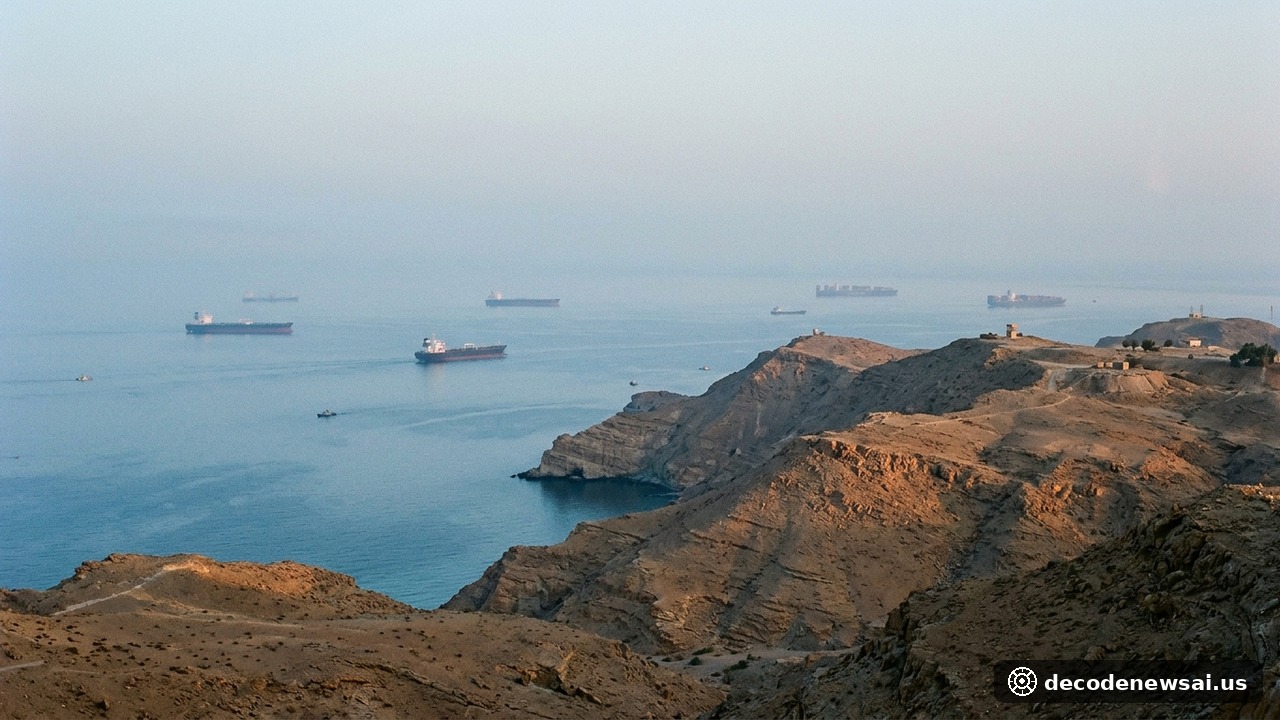
Photo: AI-generated
Iran announces alleged destruction of four tankers
Iran’s Islamic Revolutionary Guard Corps said on November 4 that four oil tankers had struck naval mines while attempting to use a southern shipping route that Tehran considers prohibited in the Strait of Hormuz. The vessels allegedly caught fire and were destroyed. The IRGC also said two additional ships had been stopped for violating its restrictions. Reuters, BBC and IranWire reported the announcement, but Reuters said it could not independently verify the claims. The IRGC did not identify the tankers, provide their flags or owners, disclose their locations or report casualties among their crews. The announcement came amid a wider confrontation over shipping access through the strait. Iran has sought to impose restrictions on vessels using routes it considers unauthorized, while the United States has insisted that key commercial shipping lanes should remain open.
Vessel identities and incident details remain unknown
The IRGC described the tankers as vessels that had violated its navigation restrictions and attempted to use a prohibited southern passage. Its statement did not specify when the alleged incidents occurred. It also provided no International Maritime Organization identification numbers, cargo details, crew information or independently verifiable imagery. Bne IntelliNews and maritime industry publication Safety4Sea both noted that the claims could not be independently verified. Without vessel names, coordinates or confirmation from shipowners and flag states, outside observers cannot determine whether the four alleged losses correspond to previously reported maritime incidents or represent separate events.
A separate tanker incident should not be conflated with the claim
On November 3, the United Kingdom Maritime Trade Operations agency reported a separate incident involving a tanker near Oman. The vessel’s security officer said two unidentified projectiles had struck the engine-room area. IranWire and Safety4Sea cautioned that it was not clear whether this incident was connected to the four tankers mentioned by the IRGC. Reuters has reported other attacks, fires and explosions involving commercial vessels in and around the Strait of Hormuz. Those incidents have involved different vessels, reported methods and levels of verification. They should not be combined into the IRGC’s latest claim without evidence linking them.
The mine claim has not been confirmed by maritime monitoring
The IRGC said the tankers remained on fire after striking mines, but no public statement from a shipowner, flag state or international maritime authority has confirmed the destruction of four tankers. Reuters previously reported a separate UKMTO alert involving a tanker struck by an unidentified projectile. The crew was safe and no environmental impact was reported. That incident was not confirmed as a mine strike and should not be treated as proof of the IRGC’s latest statement. The U.S. military has also disputed some earlier Iranian claims about mines in the main commercial transit routes. Military statements from parties to an active conflict require independent evidence before reported losses can be treated as established facts.
Hormuz remains a major risk for commercial shipping
The Strait of Hormuz is a critical route for global oil and gas shipments. Disputes between Iran and the United States over control of the waterway and the rules governing passage have increased risks for commercial operators. Iran has demanded that some vessels use routes it designates, while Washington has maintained that major commercial lanes should remain open. If the destruction of four tankers is eventually confirmed, it would represent a serious escalation for maritime security. But until vessel identities, locations and damage are independently established, the announcement should not be treated as a verified interruption to oil supply.
Independent evidence is the next key development
The next developments to watch include new information from UKMTO, the International Maritime Organization, shipowners, flag states and commercial vessel-tracking services. Statements from U.S. Central Command and additional evidence from Iran may also clarify what happened. The most accurate description at this stage is that the IRGC claims four tankers struck mines and were destroyed, while two other vessels were stopped. The claim has not been independently confirmed. A growing number of media reports does not necessarily mean that new evidence has emerged: many outlets are repeating the same Iranian military statement.
Sources
- Reuters: Iran's IRGC says four tankers ablaze after hitting mines near Strait of Hormuz
- IranWire: IRGC Claims Four Tankers Destroyed by Mines in Strait of Hormuz
- bne IntelliNews: Iran's IRGC says four more tankers hit mines in Hormuz
- Anadolu Agency: Iran claims 4 oil tankers destroyed by naval mines near Strait of Hormuz
- Safety4Sea: Tanker struck near Oman as Iran claims four vessels destroyed by naval mines