JD Vance Blames Iran War for Republican Midterm Losses, Publicly Diverging From Trump
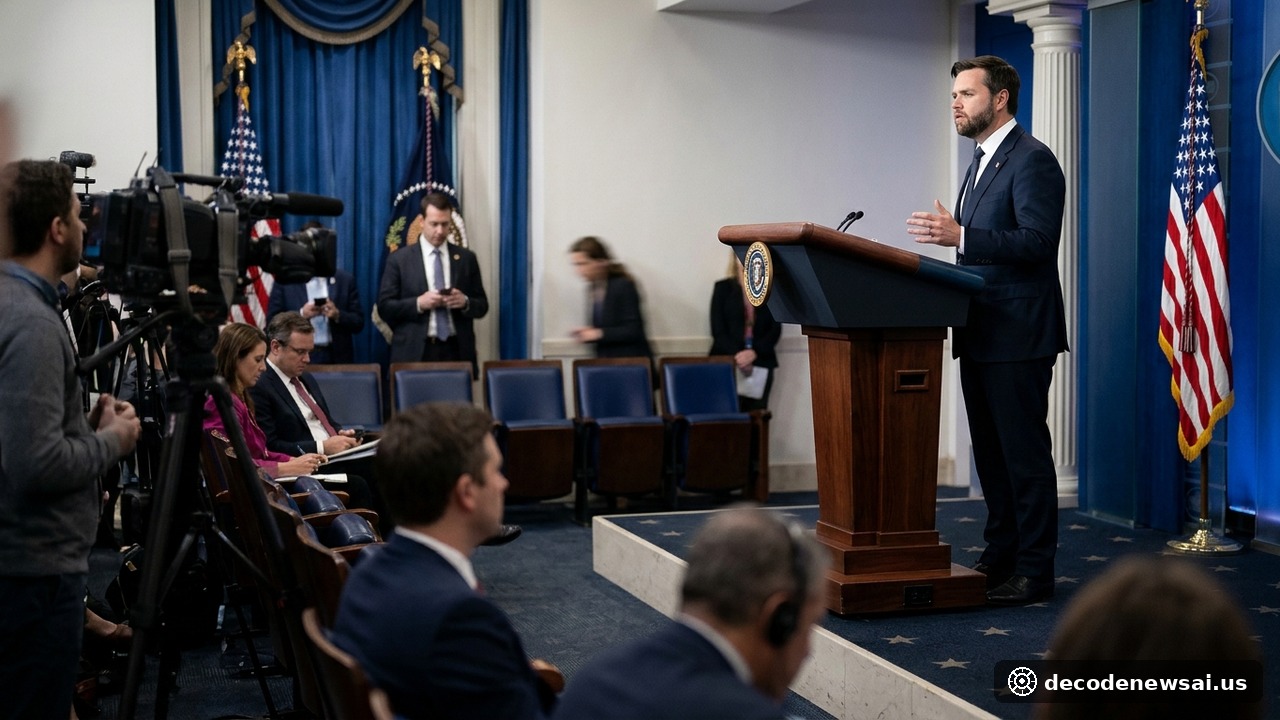
Vice President JD Vance said on November 4 that the war with Iran was the central reason Republicans suffered sweeping losses in the 2026 midterm elections. In a lengthy social media post, Vance wrote that “the reason we lost is the war” and identified other voter concerns, including the cost of living and inflation, putting America first, and the U.S. relationship with Israel. His comments contrasted with President Donald Trump’s continued defense of the military campaign and renewed attention on Vance’s possible political plans for 2028.
Vance’s statement does not amount to a formal policy change, and it does not establish that the Iran war was the only reason Republicans lost. An Associated Press voter survey found that about six in 10 respondents considered the U.S. decision to take military action against Iran to be wrong. But only about one-third said the war was crucial to their congressional vote. The cost of living and government corruption were more widely cited as major voting concerns.
Vance points to the war and the cost of living
In his post, Vance argued that Republicans need to understand why some voters who supported Trump in 2024 switched to Democratic candidates in the midterms. He said those voters wanted the administration to end the war, focus on inflation and household costs, put American interests first and change the U.S. relationship with Israel.
Vance also challenged Republicans who might argue that the war was worth the political cost. He wrote that if someone believes the conflict was worth losing control of the Senate for the next six years, they should make that case openly. The message was unusually direct from a vice president whose political career has been closely tied to Trump.
The Washington Post reported that Vance’s comments differed from the White House response, which had focused on candidate quality and campaign strategy. Instead, the vice president pointed to the administration’s own policy choices. Vance has long expressed skepticism about prolonged U.S. military involvement overseas, and his public defense of the Iran campaign has generally been more restrained than Trump’s.
Trump acknowledges an impact but defends the war
Trump acknowledged that the Iran war was one factor in the Republican defeat, but he continued to defend the decision to launch the military campaign. In comments to reporters and media outlets, he said the decision was correct and that he would make the same choice again. Vance’s description of the war as the central reason for the losses therefore created a visible contrast between the president and vice president.
The AP voter survey found that about six in 10 voters viewed the U.S. military action against Iran as the wrong decision. Most voters who opposed the war backed Democratic candidates in their House races. However, the survey also found that the war was not the most important issue for most voters. Cost of living and government corruption were cited as crucial by larger shares of respondents.
Those findings suggest that the election result cannot be reduced to a single issue. The war may have contributed to voter dissatisfaction, particularly through its effect on energy prices and the administration’s foreign policy, but the broader political backlash also involved household costs, trust in government and other concerns.
Israel policy becomes part of the Republican debate
Vance also called for a change in the U.S. relationship with Israel, making the issue part of his explanation for the election losses. The Associated Press and Jewish Telegraphic Agency reported that his post listed the relationship with Israel alongside the Iran war, inflation and the “America First” agenda.
Vance has previously expressed differences with some positions taken by Israel’s government and criticized Israeli officials who opposed Trump’s efforts to end the conflict with Iran. His latest comments could feed into a broader debate within the Republican Party about foreign policy and the limits of U.S. support for Israel.
But Vance did not propose a specific change to military aid, diplomatic conditions or the administration’s policy. Nor did he announce a break with Trump. His post identified voter concerns; it did not set out a detailed alternative foreign policy.
Vance’s 2028 ambitions remain unresolved
Vance is widely viewed as a potential Republican presidential contender in 2028. By emphasizing the cost of the war and the cost of living after the election, he may be seeking to show that he understands voters who have become dissatisfied with the administration. But there is no evidence that the post was a formal campaign launch, and Vance has not announced a presidential bid.
The Republican loss of control of both chambers will bring greater congressional oversight and make it harder for the Trump administration to advance legislation. Vance’s comments highlight divisions inside the party over the war and economic priorities, but they do not automatically change government policy. Whether the administration adjusts its approach to Iran, Israel or household affordability will depend on decisions by the White House, Congress and Republican leaders in the months ahead.
Sources
- The Washington Post: Vance blames Republicans’ midterm losses on Iran war, cost of living
- Associated Press: Vance tries to distance himself from Iran war after GOP's deep losses in midterm elections
- The Guardian: JD Vance says US war on Iran is ‘real reason’ Republicans lost midterm elections
- ABC News: Vance blames Iran war for Republicans' midterms defeat. Trump says he would 'do it again'
- Bloomberg Government: Vance Blames War in Iran, Israel Ties for GOP Midterm Loss