Mike Johnson Steps Aside From House GOP Leadership Race After Midterm Defeat
Johnson will not seek the minority leader position
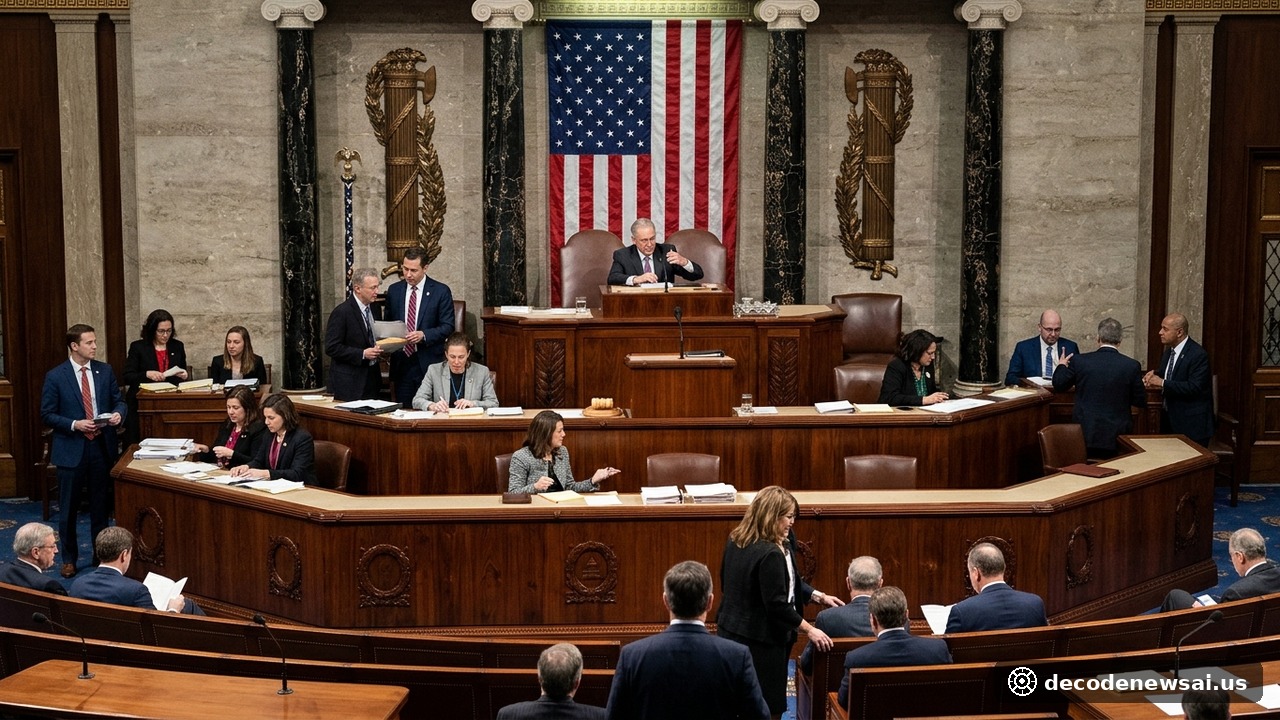
House Speaker Mike Johnson told staff and Republican colleagues on Wednesday, November 4, that he will not seek a leadership position in the next Congress. The decision came after Republicans lost control of the House of Representatives in the 2026 midterm elections, opening a contest to lead the party in the chamber when it moves into the minority. The Associated Press, Axios and The Guardian reported that Johnson would not run for minority leader. The announcement concerns his party leadership role, not necessarily his seat in Congress. The Associated Press reported that Johnson is expected to remain in the House as a rank-and-file member after winning an eighth term representing his Shreveport-area Louisiana district. Axios said his longer-term political plans remained uncertain, noting that he had not clarified whether he intended to leave Congress altogether. Those are separate questions: stepping away from leadership does not itself mean resigning from the House.
His letter cited the demands on his family
In a letter to Republican colleagues, Johnson said the leadership job had required significant sacrifices from his family. After three years in the role, he wrote, he believed it was time to give them more attention and presence. Axios obtained the letter and reported that Johnson highlighted the work of the House Republican conference and its legislative accomplishments alongside President Donald Trump. The letter did not directly attribute his decision to the election defeat, nor did it say whether he planned to leave Congress. The timing, however, came immediately after Republicans suffered a sweeping midterm loss. Axios reported that Johnson had spent months campaigning across the country and raising money in an effort to preserve the party’s House majority. The Guardian and other outlets described his decision in the context of the electoral setback. The available evidence supports the conclusion that he stepped aside after the defeat, but it does not establish that the election result was the sole reason he gave privately or in writing.
Scalise and Jordan emerge as possible successors
Johnson’s withdrawal leaves House Majority Leader Steve Scalise of Louisiana and House Judiciary Committee Chairman Jim Jordan of Ohio among the potential contenders for the party’s top leadership role. Both have been discussed as possible successors, although neither had been elected to replace Johnson at the time of the reports. Republicans are expected to hold their leadership elections on November 10, according to Axios. Candidates face a deadline to declare their intentions before the vote, which is conducted by secret ballot among Republican members. A candidate must win a majority of the conference to prevail. The process means that public speculation and endorsements do not determine the outcome; the decision belongs to Republican lawmakers themselves. Scalise is an experienced member of the party leadership, while Jordan has a prominent profile among conservatives and has previously sought top House positions. Their possible contest could reveal how Republicans intend to balance institutional experience, loyalty to Trump and pressure from the party’s conservative wing after losing the majority.
A different role after three years as speaker
Johnson became speaker in October 2023 after Kevin McCarthy was removed from the position and House Republicans struggled to agree on a successor. He took charge of a deeply divided conference with a narrow majority and faced repeated internal disputes over spending, legislative priorities and the party’s relationship with Trump. Despite those tensions, Johnson became a close ally of the president and helped advance major parts of the administration’s legislative agenda. With Democrats set to control the House, the speakership is expected to pass to the Democratic side. House Democratic Leader Hakeem Jeffries is preparing to seek the position. The House Clerk explains that the speaker is elected by the full membership of the House, while party leaders are chosen separately by members of their respective caucuses or conferences. Johnson’s decision not to seek minority leader therefore does not itself decide who will become speaker or who will lead Republicans.
The GOP faces a strategic reset
The next Republican leader will have to organize a party that has lost its majority while maintaining influence in a chamber controlled by Democrats. That will involve coordinating conservatives and more moderate members, deciding how aggressively to oppose the new majority’s agenda and determining how to respond to investigations and oversight efforts Democrats may pursue. The leadership change also comes as Republicans debate the reasons for their election losses and the role played by Trump’s agenda, the economy and the party’s campaign strategy. Those explanations remain contested, and no single factor can be treated as the definitive cause based on the reporting available so far. For Johnson, the immediate decision is narrower: he will not seek to lead House Republicans in the minority. Whether he remains in Congress as an ordinary member or eventually leaves public office is a separate question that had not been resolved in the reports reviewed. The Republican conference is expected to make its next leadership choice through its scheduled internal vote.
Sources
- The Guardian: Mike Johnson says he will not pursue House minority leader role – reports
- Washington Examiner: Mike Johnson won’t run for minority leader after steep GOP midterm losses
- CBS News: Mike Johnson says he intends to remain GOP leader if Republicans lose House majority
- Roll Call: Democrats flip House as Republicans confront ‘blue tsunami’