Mike Johnson Steps Aside From House GOP Leadership After Democrats’ Midterm Sweep
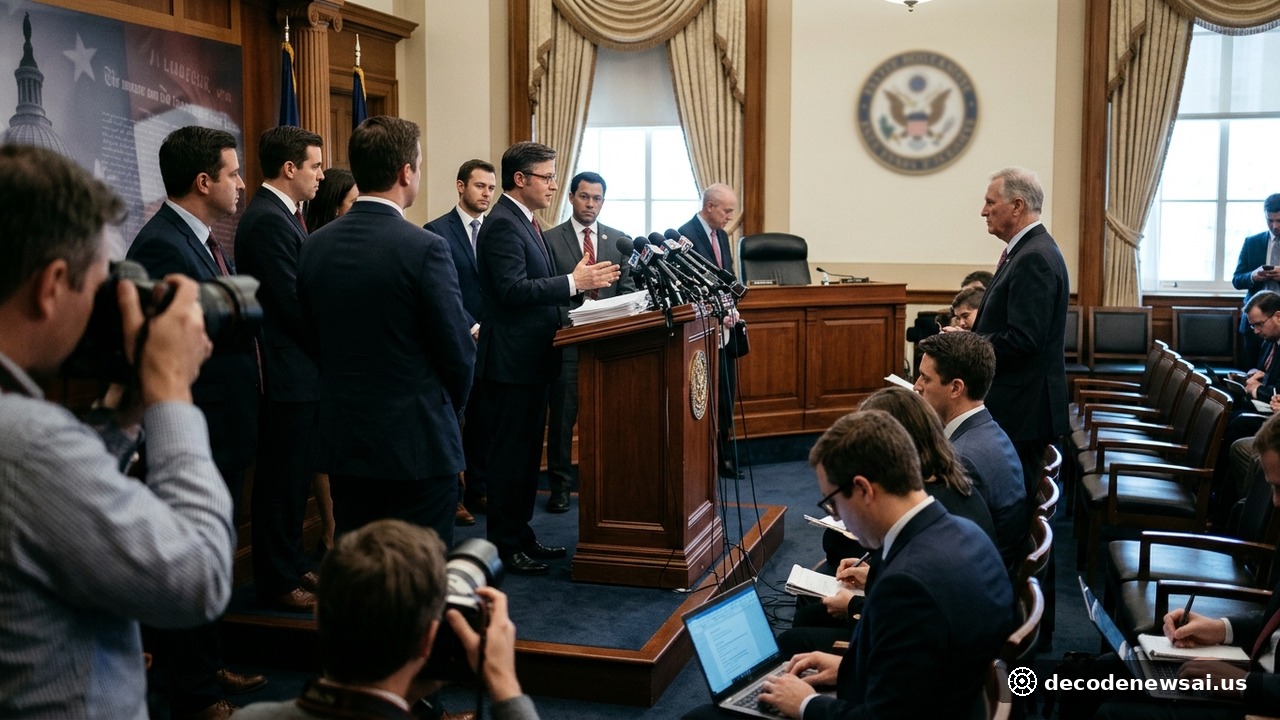
House Speaker Mike Johnson will not run for House minority leader in the next Congress after Republicans lost control of the House in the 2026 midterm elections. His decision means he will leave the Republican leadership team when the new Congress convenes, but it does not mean he is resigning from his congressional seat. The Associated Press reported that Johnson won reelection in his Louisiana district and is expected to return to the House in January 2027 as a rank-and-file member. Johnson’s departure opens a leadership contest inside the Republican conference. House Majority Leader Steve Scalise of Louisiana and House Judiciary Committee Chairman Jim Jordan of Ohio have emerged as leading potential candidates for the minority leader position. Republicans are scheduled to hold their internal leadership elections on November 10.
The election defeat changed Johnson’s leadership plans
Johnson became speaker in October 2023 after the removal of former Speaker Kevin McCarthy and weeks of turmoil within the Republican conference. During his tenure, he repeatedly had to manage one of the narrowest House majorities in modern history. He balanced competing demands from conservative hardliners, moderates and allies of President Donald Trump to pass spending bills and advance the administration’s legislative priorities. Democrats’ victory in the 2026 midterms ended Republican control of the House. Johnson will lose the speakership when the new Congress begins and will no longer be able to set the House agenda as the majority party’s leader. His decision also marked a change from his public statements before the election. In an October 12 interview with CBS News, Johnson said that even if Republicans lost the majority, he expected colleagues to ask him to continue leading the House GOP conference. He said his intention was to stay and serve. After the election results became clear, however, he changed course. Axios reported that Johnson told staff on a Wednesday morning call that he would not seek the minority leader position.
Johnson is not resigning from Congress
Johnson won an eighth term representing his Shreveport-area district in Louisiana and is expected to remain in the House when the new Congress convenes in January. The Associated Press emphasized that he is stepping away from party leadership, not giving up his seat. He is expected to continue serving as speaker until the current Congress ends and a new speaker is elected. The distinction matters because the Speaker of the House and the party’s internal leader are chosen through different processes. The speaker is elected by the full House membership, while the Republican conference selects its own leaders. The House Clerk’s office explains that party leadership is elected every two years at the beginning of a new Congress. Johnson will not immediately lose his speakership on November 4; the transition takes place when the new Congress begins. Democrats are expected to nominate House Minority Leader Hakeem Jeffries for speaker. If elected, Jeffries would become the first Black lawmaker to hold the position. The Republican conference will have to choose a new leader to organize its members from the minority.
Scalise and Jordan emerge as leading contenders
Republicans must now choose a minority leader who can coordinate the party’s opposition agenda, organize votes, negotiate with the Democratic majority and respond to investigations of the Trump administration. Scalise, the current majority leader, has experience managing the party’s legislative schedule and counting votes. Jordan, who chairs the House Judiciary Committee, is known for aggressive oversight and strong support for Trump. The two men may represent different approaches to the party’s future. Scalise has experience in fundraising, floor management and conference coordination. Jordan may be more closely associated with a confrontational strategy toward Democratic investigations and oversight. Roll Call reported that the leadership contest could affect not only the minority leader position but also the selection of the party whip and conference chair. Republicans are expected to vote internally on November 10. The contest will take place behind closed doors, and Trump could play a role in shaping support for a candidate. The new leader will inherit a party that has lost the House majority but still controls the White House and will need to decide how closely to align itself with the president.
A close Trump ally faces the consequences of the GOP defeat
Johnson worked closely with Trump during his time as speaker and helped advance the administration’s budget and legislative agenda. He also faced repeated resistance from conservatives in his own party, particularly during disputes over government funding, the debt ceiling and foreign policy. With such a narrow majority, even a small number of Republican defections could threaten his ability to pass legislation. After the election, Johnson issued a statement criticizing the incoming Democratic majority and promising that Republicans would continue to defend the Constitution and the country’s institutions. Reuters reported that his decision came after Republican losses exceeded expectations. Some Republicans believe the party needs a new leader who can organize a response to Democratic investigations and policy initiatives. The next leader, however, will face the same internal divisions between moderates and hardliners that complicated Johnson’s speakership.
Republicans must redefine their role in the minority
Democratic control of the House will give the party the speakership, committee chairmanships and control over hearing schedules. Democrats will be able to launch investigations of the Trump administration and set the chamber’s legislative agenda. The Republican minority leader’s job will shift from advancing the president’s agenda to organizing opposition, maintaining party unity and identifying opportunities for bipartisan cooperation. Johnson’s departure is therefore a significant change for House Republicans, but it does not end his congressional career. He has not announced retirement or resigned his seat. Questions remain about whether he will seek a committee assignment, how active he will be in major debates and whether the next Republican leader can unite the conference. The immediate fact is that Johnson will not lead House Republicans in the next Congress. The November 10 leadership election will determine who takes over as the party prepares for a new period in the minority.
Sources
- NPR: Mike Johnson will step aside as top House Republican next Congress
- Axios: Mike Johnson bows out of leadership after crushing House GOP defeat
- Roll Call: Mike Johnson won’t seek top GOP spot as House flips
- CBS News: Mike Johnson says he intends to remain GOP leader if Republicans lose House majority
- The Washington Post: Speaker Johnson walks back talk about potentially leaving Congress