2026 US Midterm Elections: Democrats Retake Congress and Reshape Washington
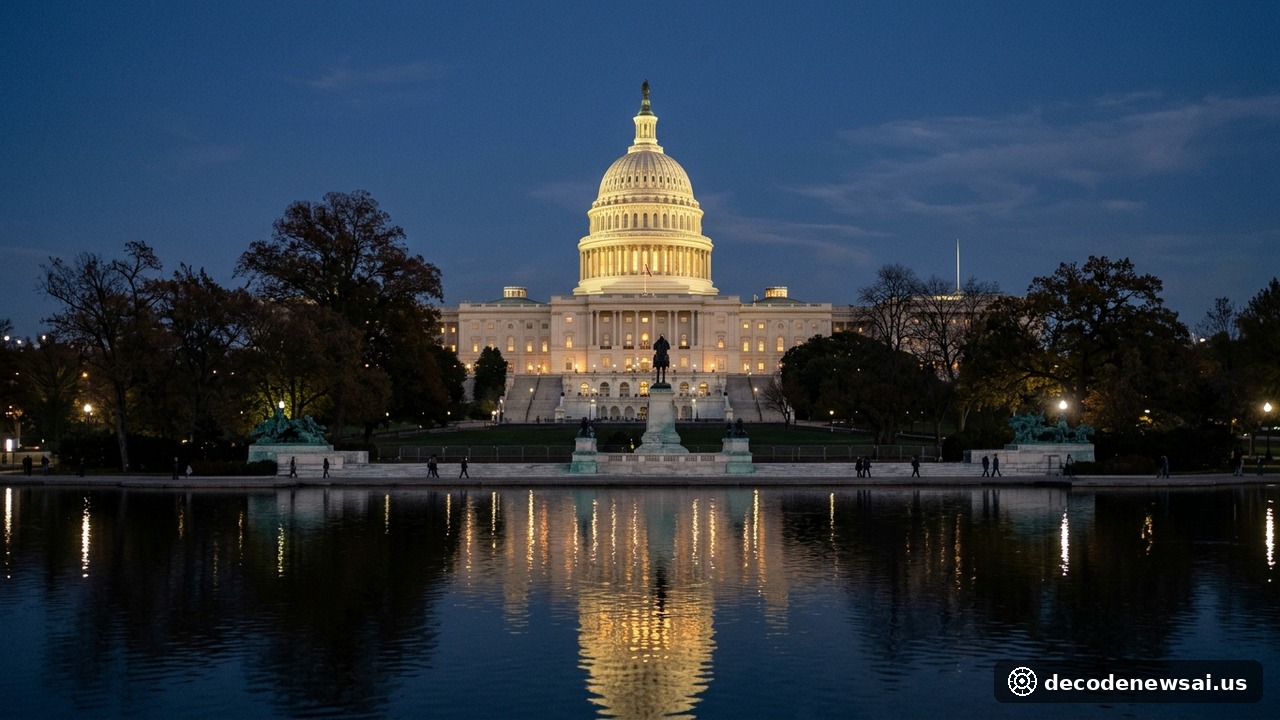
The November 3, 2026, US midterm elections have transformed the balance of power in Washington. The Associated Press called control of both the House of Representatives and the Senate for Democrats, ending unified Republican control of Congress. President Donald Trump will therefore face a divided government during the final two years of his term: Democrats will control the congressional agenda, committee leadership and confirmation process, while Republicans retain the White House. The outcome is more than a redistribution of seats. It reflects voter concerns about the cost of living, economic management, government accountability and the war with Iran. The results will shape budget negotiations, federal appointments, congressional investigations and policy choices in state capitals over the next two years.
Democratic gains reach deep into Republican territory
The Associated Press reported that Democrats flipped at least seven Senate seats, in Kansas, Iowa, Texas, Ohio, Maine, North Carolina and South Carolina. Kansas elected a Democratic senator after nearly a century without doing so. Results in Texas and South Carolina also marked major breakthroughs in states long regarded as Republican strongholds. In the House, Democrats flipped more than two dozen districts, including some that had supported Trump by double-digit margins in 2024. Reuters reported that Republicans lost ground in the vast majority of roughly 2,100 counties where most votes had been counted. Its analysis also found particularly strong Democratic movement in heavily Latino counties. These county-level figures describe voting shifts, not a final certified national vote count. Media organizations update their live totals at different times, so seat estimates can vary. This article relies on declared race outcomes and the AP's call on control of Congress rather than treating incomplete or uncertified tallies as final official results. The new congressional balance gives Democrats control of the legislative agenda and the ability to lead committees, conduct oversight and shape the consideration of presidential nominees. It does not, however, guarantee that every Democratic proposal will become law.
Governor races bring historic firsts
Democrats also won a series of important governor contests. Georgia Democrat Keisha Lance Bottoms became the first Black woman elected governor in US history. Amy Acton won in Ohio, Rob Sand in Iowa and Gina Hinojosa in Texas. Reuters reported that Democrats flipped at least five governorships previously held by Republicans. In Wisconsin, David Crowley was elected and is set to become the state's first Black governor. Control of state government has practical consequences for residents. Governors and state legislatures influence Medicaid policy, minimum wages, abortion access, labor protections, data-center approvals, election administration and the drawing of congressional districts. Those issues could move in a different direction in states where party control changed. The Minnesota House of Representatives' official publication said the Democratic-Farmer-Labor Party was expected to regain control of the chamber. That announcement should be distinguished from formal certification: the state legislature's certification process was still pending. A projected or expected result is not the same as a legally certified final count.
Voters focused on costs, jobs and the Iran war
Polling and election coverage identified the economy, employment and the cost of living as central voter concerns, with health care also prominent. Reuters reported that Democrats emphasized affordability, corruption and the economic effects of the Iran war. Republicans sought to focus attention on cultural and social issues. After the results became clear, Trump acknowledged that the war and the resulting pressure on energy prices had hurt Republican candidates. Vice President JD Vance also connected the losses to the conflict. Those comments are political explanations, not proof that one issue alone determined the outcome. Voters make decisions for different reasons, and national polling cannot establish the motivation of every individual voter. A Washington Post voter survey described broadly negative assessments of Trump's performance and identified the economy and jobs among the leading issues. Such surveys help explain the political climate, but they should not be treated as a complete causal account of the election. The results nevertheless show that the administration's economic record and foreign-policy choices became liabilities for many Republican candidates. Democrats campaigned on the promise to address household costs and increase scrutiny of the administration. Whether they can turn those promises into legislation will depend on negotiations, internal party agreement and the president's response.
Outstanding counts and divided-government limits
A race being called on election night does not mean every ballot has been counted or that state officials have completed certification. The Senate contests in Mississippi and Alaska were among the closest races still being counted in early reports. Some state-level contests also required additional counting, review or certification. The AP says it declares a winner only when the trailing candidate has no realistic path to victory. A media call, a candidate's concession or victory claim, and a state's official certification are separate steps and should not be conflated. Democratic control of Congress also does not mean Democrats can automatically enact their agenda. The president retains veto power, Senate procedures can slow legislation, and disagreements within either party may complicate negotiations. Democrats are likely to use committee control to investigate the administration, scrutinize federal agencies and contest some nominations. They have also promised to prioritize affordability and health care. Republicans can respond through procedural opposition and presidential vetoes. The likely result is two years of sharper congressional oversight and difficult policy bargaining. The election has changed who controls Congress, but it has not removed the constitutional checks, procedural hurdles or political divisions that shape what the federal government can do.
Sources
- Reuters: Blue wave crashes through US state government races
- NBC News: Live updates: Democrats win control of the House and Senate
- Ballotpedia: Democrats win U.S. House and Senate majorities
- The Washington Post: Ten key factors behind Americans’ midterm votes
- OPB (NPR): Democrats win full control of Congress, ushering in a new era of divided government