Voters Deliver a Historic Swing Against Trump as Republicans Suffer Major Midterm Losses
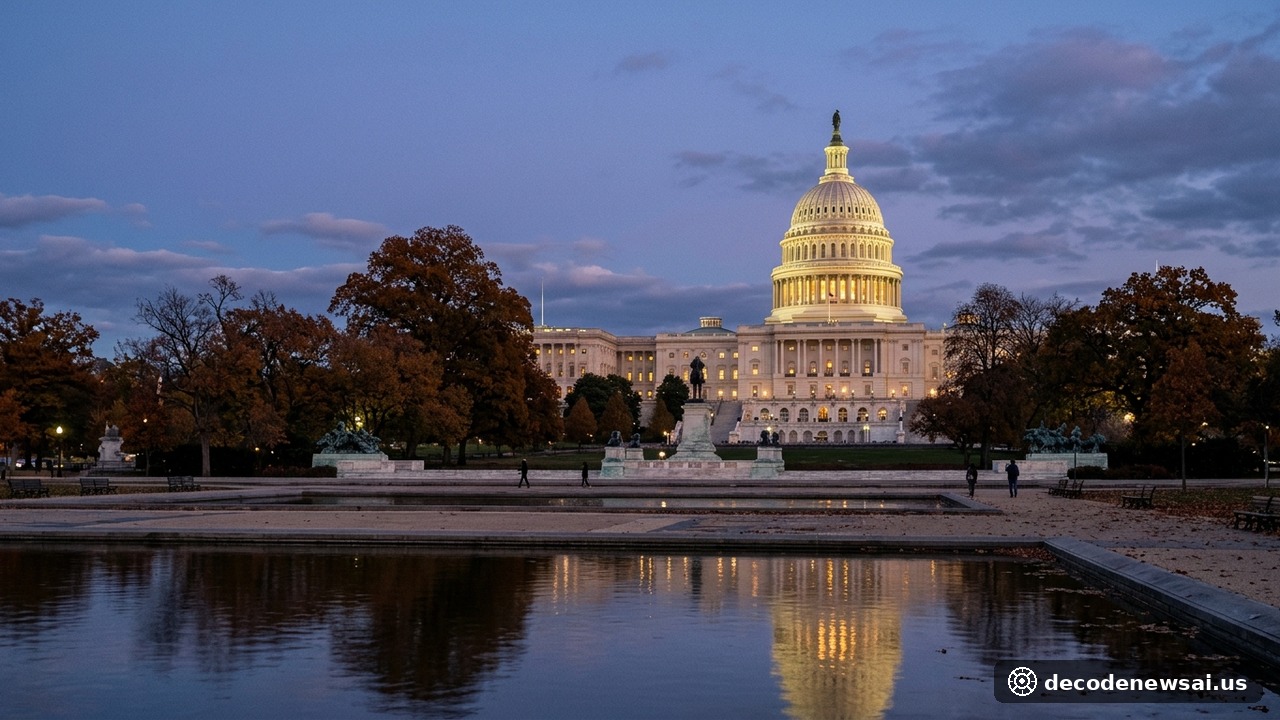
Democrats take control of both chambers of Congress
The 2026 U.S. midterm elections produced a sweeping political shift. Democrats won control of both the House of Representatives and the Senate, making gains in traditional battlegrounds and long-Republican states. Reuters reported that Democrats flipped seats in Republican strongholds and won important contests in Texas, Kansas and South Carolina. The Associated Press described the result as a major rebuke to President Donald Trump and his party, noting that Trump had repeatedly urged voters to treat him as if he were personally on the ballot. Some races were still being counted after Election Day, but the Democratic victories were sufficient to change control of Congress. The result gives Democrats the power to set committee agendas and lead investigations in both chambers when the new Congress convenes in January. It also ends two years in which Republicans controlled the legislative branch while Trump pursued much of his second-term agenda with limited resistance from his own party.
Economic frustration and the Iran war shaped voter dissatisfaction
Post-election surveys pointed to the economy, the cost of living and the war involving Iran as major sources of voter dissatisfaction. The AP Voter Poll found that roughly three-quarters of voters were angry or dissatisfied with the direction of the country. Reuters, citing exit polls conducted for a consortium of media organizations, reported that nearly nine in 10 voters considered the cost of living an important factor in their vote and about two-thirds blamed Trump’s policies for worsening high prices. The surveys also indicated that many voters felt their household finances were worse than two years earlier. These figures come from different questions and samples, so they should not be combined into a single measure of opposition to Trump. They nevertheless point to a broad mood of frustration with prices, economic conditions and the administration’s handling of national affairs. The war with Iran added another dimension to the election. Voters were concerned about its costs and consequences, while Trump’s decision to pursue the conflict became a point of criticism for Democratic candidates. Reuters reported that the war, tariffs and living costs were among the issues that helped drive voters away from Republican candidates.
The Republican coalition showed signs of strain
Democratic gains extended beyond the traditional swing-state electorate. Exit polling cited by The Washington Post showed double-digit shifts toward Democrats among younger voters, Latino voters and Catholic voters compared with 2024. The Associated Press also reported that Republicans lost ground among Black men and Hispanic voters, groups where Trump had made gains in the previous presidential election. The changes were not identical across every state or demographic group, and exit polls carry sampling uncertainty. Still, the results suggest that the Republican coalition assembled in 2024 did not hold together in the same way two years later. Economic dissatisfaction, immigration policy and the administration’s foreign-policy decisions appear to have affected different voter groups in different ways. Trump’s endorsements also failed to protect several Republican candidates. Some of his preferred candidates lost despite substantial campaign spending and national support. The results are likely to intensify debate within the Republican Party over candidate recruitment, campaign strategy and the president’s influence over the party’s future.
Redistricting and campaign spending could not guarantee victory
Trump’s mid-decade redistricting effort was intended to improve Republican prospects in the House by changing congressional district boundaries in several states. In Texas, Republicans redrew districts with the goal of creating as many as five additional favorable seats. Democrats nevertheless held or won several of the targeted districts, while also making gains in other Republican-held seats. The Associated Press reported that Republican redistricting efforts across multiple states failed to deliver the expected gains. Some plans encountered court challenges or voter opposition, while Democratic responses in states such as California offset part of the Republican advantage sought elsewhere. The election was also extraordinarily expensive. The Washington Post reported that Trump-aligned super PACs spent hundreds of millions of dollars, with additional spending from technology billionaire Elon Musk. Yet campaign spending and district boundaries could not insulate Republican candidates from broader dissatisfaction with the administration and the economy.
Democratic gains do not resolve the party’s internal debate
Democrats’ control of both chambers is a major achievement, but it does not mean the party has settled its internal policy disagreements. Progressives argue that candidates can win competitive states by campaigning on health care, workers’ rights and economic fairness. Moderates emphasize candidate appeal, local issues and the ability to attract voters beyond the party’s core base. The election produced historic victories for several Democratic candidates, but the coalitions behind those victories varied by state. Inside Elections reported that the breadth of the Democratic gains exceeded many pre-election expectations, while also cautioning that the final seat totals would depend on races still being counted. The party’s next challenge is to turn an election coalition into an effective governing majority. Democrats will have to manage internal disagreements over spending, immigration, energy, health care and foreign policy while responding to pressure from voters who expect tangible improvements in household costs.
A new balance of power in Washington
Democratic control of the House and Senate will bring stronger congressional oversight, investigations and budget negotiations. Republicans controlled Congress during the first two years of Trump’s second term, giving the administration a relatively clear path for much of its legislative agenda. The new Congress will create a different balance of power. The election is a major political warning to Trump and the Republican Party, but it does not mean that every voter supports every Democratic policy proposal. Final seat totals remain subject to state certification and formal counting. Looking toward 2028, the midterms show that Trump’s political coalition is not immovable. Whether Democrats keep that diverse coalition will depend on how they govern over the next two years.
Sources
- Reuters: Democrats take US Congress in sweeping midterm repudiation of Trump
- The Washington Post: Voters punish Trump with dramatic swing to Democrats
- Inside Elections: Democrats Rebound with Historic Midterm Wave
- The Guardian: Where Trump and Republicans lost the midterm elections
- OPB / NPR: Democrats win full control of Congress, ushering in a new era of divided government