Nintendo’s Physical Game Card Supply Chain Faces a Shift, but the Switch 2 Impact Is Unclear
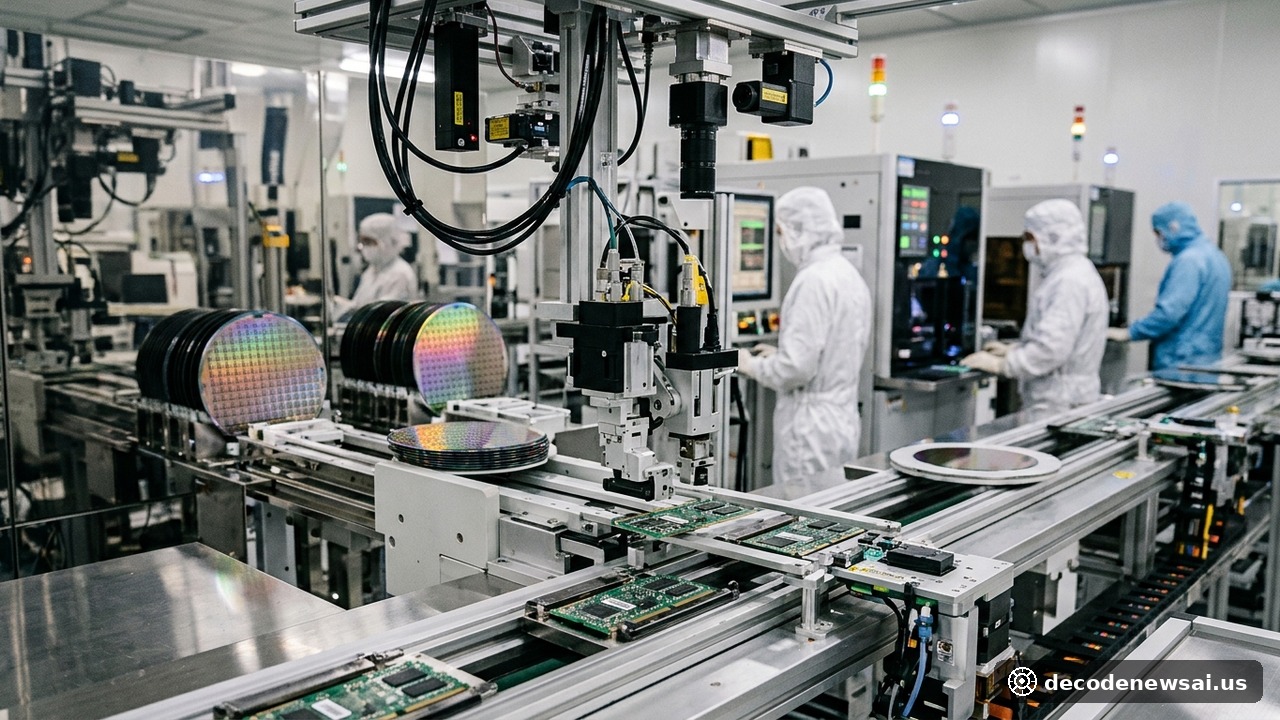
Taiwanese memory-chip maker Macronix is gradually reducing ROM production and shifting resources toward NOR and NAND flash memory, where demand is stronger. Macronix is one of Nintendo’s important suppliers of memory chips used in game cards, so the change has raised concerns about the future of physical game releases. At a recent third-quarter earnings conference, Macronix Chairman Miin Wu said demand for NOR flash used in data centers was particularly strong. The Taipei Times reported that the company is phasing out ROM production, but it has not announced an immediate halt to all existing orders. The development does not mean Nintendo Switch 2 game cards are about to run out. Macronix is not Nintendo’s only supplier, and companies including ROHM and LAPIS also provide relevant chips. More importantly, reporting about the memory type used in Switch 2 cards is inconsistent. Engadget says Switch 2 cards use NAND flash, a market Macronix is not exiting, while some analysts and other outlets have linked Macronix’s ROM supply to game cards for both Switch generations. Nintendo has not published a complete supplier list or detailed chip specifications for every generation, so the near-term impact remains uncertain.
Macronix is shifting capacity toward data-center memory
Macronix’s ROM revenue fell 39% year over year in the third quarter, and the business accounted for about 5% of total sales, down from approximately 26% a year earlier. Over the same period, NOR flash revenue rose 158% and NAND flash revenue increased 768%. Wu said data-center customers were seeking more NOR capacity and that chip price increases were expected to continue. The company is directing resources toward memory products with stronger growth prospects rather than developing new ROM products. ROM has long been used in products such as game cards, but it has become a much smaller part of Macronix’s business. The Taipei Times reported that the company is gradually phasing out the ROM business rather than suddenly shutting down every production line. MST Financial analyst David Gibson added on social media that Macronix would not develop new ROM products and that the third quarter would be the final period in which the company separately reports ROM sales. That detail is the analyst’s account of the company’s plans and should be distinguished from a formal shutdown notice. The shift reflects a broader change in semiconductor demand. Data-center customers are competing for memory capacity as AI infrastructure expands, and suppliers are moving production toward higher-growth products. ## The impact on Switch and Switch 2 is disputed Macronix has long been one of Nintendo’s ROM-chip suppliers for physical game cards. The Verge, Gizmodo and Kotaku reported that the company’s exit could affect the supply chain for Nintendo cartridges. If Nintendo cannot replace the capacity, production costs and availability of some physical releases could be affected. Engadget, however, said Switch 2 game cards use NAND flash, a segment Macronix is not phasing out, suggesting that the direct effect on Switch 2 could be limited. Tom’s Hardware and some industry commentary have also linked Macronix’s ROM supply to both Switch and Switch 2 game cards. Nintendo has not disclosed the chip model and supplier allocation for every card, so it is not possible to conclude that Switch 2 is completely unaffected. It is equally premature to say that Switch 2 cartridge supply is already in crisis. The more defensible conclusion is that Macronix’s withdrawal removes one source of ROM capacity, while the actual impact depends on the memory design of each card generation and the ability of other suppliers to fill the gap. The distinction matters because the headline claim that the Switch 2 game-card situation has become “dire” goes beyond what has been confirmed. There is a real supplier change, but no public evidence of an immediate shortage or a halt to Switch 2 physical releases.
Game-Key Cards could become more common, but they are not the same as full physical games
The Switch 2 supports both regular game cards and Game-Key Cards. Nintendo’s official explanation says a Game-Key Card does not contain the full game. Instead, it acts as a key that allows the console to download the game data over the internet. After the download, the card must still be inserted to launch the game. The format preserves a physical package and the ability to resell or lend the card, but the actual game content depends on a download and Nintendo’s online services. If the cost of cards that hold complete games rises, publishers may have more reason to use Game-Key Cards or digital-only releases. A full game card can be played without first downloading the entire game and is more useful for collectors and people who want to lend or resell games. A Game-Key Card requires a download, and future access to the game depends on the platform’s ability to keep the download service operating. Nintendo has not announced that it will stop making full game cards or move every third-party release to the Game-Key format.
Physical games remain important to Nintendo’s business
Nintendo’s financial materials for the quarter ended June 30, 2026, showed that digital sales represented 61.5% of software revenue for its dedicated game platforms. But that figure is based on revenue, not unit sales. Nintendo’s digital category includes downloadable versions of retail games, download-only games, add-on content and Nintendo Switch Online subscriptions. It should not be interpreted as meaning that 61.5% of individual game copies sold were digital downloads. The Verge cited Nintendo’s figures showing that physical software remains a larger part of the company’s business than it is for some other console makers. Physical cards retain value for collecting, resale, lending and offline access. Macronix’s exit from ROM production may increase supply-chain pressure, but it does not mean Nintendo is about to abandon physical releases. Whether the supplier change leads to higher card prices, more Game-Key Cards or fewer full physical releases will depend on the company’s sourcing decisions and the availability of replacement capacity.
No evidence yet of an immediate Switch 2 cartridge shortage
The confirmed development is that Macronix is gradually exiting ROM production because the business has become a smaller part of its sales while demand for data-center-related NOR and NAND memory is growing. Macronix is not Nintendo’s only game-card chip supplier, and the precise chip sources for Switch 2 cards have not been fully disclosed. The company has not announced an immediate stop to existing orders. The issues to watch are whether Nintendo confirms replacement suppliers, whether the cost of physical cards changes and whether publishers use more full game cards or Game-Key Cards in future releases. The headline reflects a genuine supply-chain risk, but there is not enough evidence to say that Switch 2 physical game cards are already facing an immediate shortage.
🛒 Check it out on Amazon: Nintendo Switch 2
Check the price on Amazon →Affiliate disclosure: purchases through this link may earn us a commission at no extra cost to you.
本文来源
- Taipei Times:Macronix reports record profit in Q3
- The Verge:Nintendo is losing a Switch cartridge supplier
- Engadget:Nintendo's main Switch cartridge supplier is leaving the ROM business
- Gizmodo:Nintendo’s Switch 2 Game Card Situation Just Became Dire
- Tom’s Hardware:Nintendo ROM chip supplier Macronix quits to focus on chips for AI data centers