SpaceX Taps Qualcomm for Starlink Mobile 5G Network, Moving Closer to a Nationwide Wireless Challenge
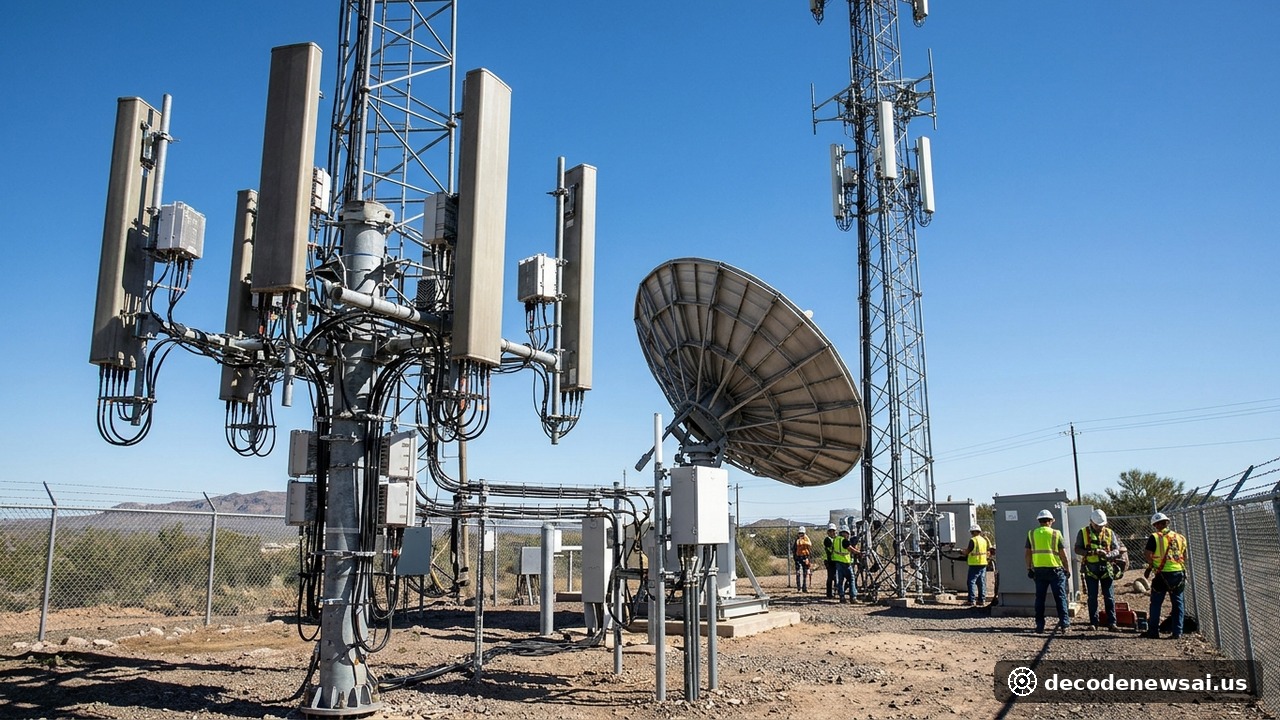
SpaceX has selected Qualcomm to supply radio equipment, baseband platforms and software for Starlink Mobile’s planned US terrestrial 5G network. The companies announced a multiyear agreement on November 4, with deployment expected to begin in 2027 and eventually cover tens of thousands of sites across the country. Qualcomm described the contract as its largest 5G infrastructure deal to date, although the companies did not disclose its financial terms. The agreement moves SpaceX’s mobile ambitions beyond satellite-to-phone connectivity and toward a hybrid network that combines satellites with ground-based cellular infrastructure. Starlink’s low-Earth-orbit satellites can extend connectivity to areas with limited terrestrial coverage. Ground-based 5G sites can add capacity in cities and suburbs, where large numbers of users generate heavy data traffic. SpaceX hopes to combine the two systems to challenge AT&T, Verizon and T-Mobile. But the deal does not make Starlink Mobile the fourth nationwide US wireless carrier today. Building a large network, securing spectrum and regulatory approvals, and launching commercial services will take additional work.
Qualcomm will provide core base-station platforms
Under the agreement, SpaceX will use Qualcomm’s Dragonwing QRU100 and QDU100 platforms, together with commercial-grade Layer 1 software. The QRU100 platform supports radio-unit processing, while the QDU100 platform handles latency-sensitive baseband processing in distributed units. The network will use Massive MIMO radio technology, with 64 transmit and 64 receive paths per radio unit, a configuration known as 64T64R. Massive MIMO uses multiple antenna paths to transmit and receive signals simultaneously, increasing network capacity and spectral efficiency. Qualcomm says its architecture is also designed to reduce energy consumption for each unit of data processed, potentially improving the economics of deploying thousands of sites. SDxCentral reported that the announcement revealed important details about Starlink Mobile’s terrestrial architecture, although the full site plan, contract value and complete frequency-band arrangements have not been disclosed. The agreement is significant because it gives SpaceX a defined technology supplier for a major part of the ground network. Qualcomm will provide the radio and baseband building blocks, while SpaceX will be responsible for integrating them into its broader network architecture. The companies have not published a complete deployment map or a detailed schedule for every market.
Satellites and ground sites are intended to complement each other
SpaceX is not simply trying to copy the operating model of a traditional wireless carrier. Its satellite constellation can provide a broad coverage layer, particularly in remote areas, at sea and in locations where building conventional cell towers is difficult. Terrestrial 5G sites can provide higher capacity in dense population centers and improve service where satellite connectivity alone may not be sufficient for large volumes of traffic. Via Satellite quoted industry analysts who said the hybrid model could give a new entrant a way to combine nationwide reach from satellites with additional capacity from ground-based sites. Such a model could reduce dependence on roaming agreements with existing mobile operators, although the actual coverage and service quality will depend on how the two systems are integrated. Qualcomm said the rollout is expected to begin in 2027, with tens of thousands of sites deployed over the multiyear agreement. Its platforms are designed to support multiple frequency bands and could provide a foundation for future connectivity technologies. The announcement, however, is specifically about terrestrial 5G. References to AI-native 6G describe a longer-term direction, not a service that the agreement will deliver immediately.
Challenging the Big Three will require capital and spectrum
A nationwide wireless carrier needs much more than base-station equipment. SpaceX will need suitable spectrum rights, access to thousands of cell sites, backhaul connections, compatible devices, customer-service operations and regulatory approvals. Reuters noted that the scale of investment required raises questions about whether SpaceX can compete with established operators that already have extensive networks and large customer bases. Axios cited an analyst estimate that the combined project, including spectrum acquisition and satellite and terrestrial infrastructure, could cost at least $100 billion. That is an outside estimate, not a budget announced by SpaceX. The company has been pursuing spectrum and infrastructure arrangements as part of its broader mobile strategy, but the final cost and financing structure remain uncertain. MarketWatch reported that investors are also watching whether SpaceX could pursue additional wireless assets, including a possible transaction involving EchoStar’s Boost Mobile business. Analysts have suggested that acquiring an existing customer base, spectrum or network resources could accelerate market entry. However, those discussions should not be confused with a completed acquisition agreement. SpaceX still faces spectrum, infrastructure and regulatory hurdles before it can operate a nationwide mobile service at scale.
The deal gives Qualcomm another growth path beyond smartphones
The agreement is also strategically important for Qualcomm. The company is best known for smartphone processors and modem chips, but it has been expanding into automotive, Internet of Things and telecommunications infrastructure markets. Supplying radio and baseband platforms for Starlink Mobile would give Qualcomm a larger role in the cellular-network equipment supply chain, where it competes with established semiconductor and infrastructure vendors. Fierce Network reported that Qualcomm highlighted its ability to support 64T64R Massive MIMO at relatively low spectrum bands, a technical feature that could be relevant to coverage and capacity planning. The deal also supports Qualcomm’s effort to diversify revenue beyond mobile devices, a market facing changing smartphone demand and greater competition. Whether the agreement becomes a durable source of revenue will depend on SpaceX’s ability to build sites on schedule and attract enough subscribers to justify the investment. Consumers should not expect a new Starlink phone plan to become available simply because the companies signed the agreement. The competitive impact will become clearer as deployment begins in 2027 and spectrum access, network coverage and commercial launch plans take shape.
Sources
- Qualcomm: SpaceX Selects Qualcomm to Accelerate Starlink Mobile’s Nationwide 5G Network
- Reuters: Qualcomm signs major 5G infrastructure deal with SpaceX for Starlink Mobile network
- Yahoo Finance: SpaceX inks Qualcomm deal, putting Starlink closer to becoming the fourth major US wireless carrier
- SDxCentral: Did Qualcomm leak SpaceX’s Starlink Mobile terrestrial cell site plan?
- MarketWatch: SpaceX’s Qualcomm deal could be a precursor to a telecom takeover