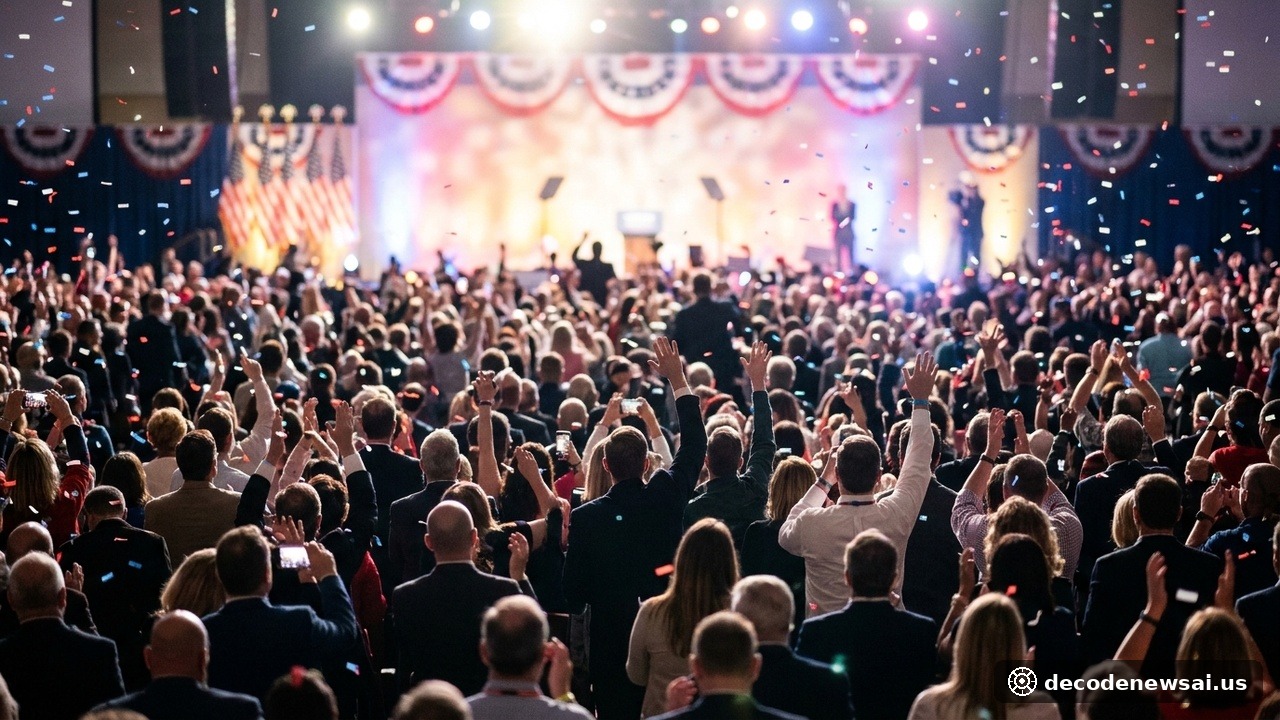
Democrat Abdul El-Sayed defeated Republican Mike Rogers in Michigan’s Nov. 3 Senate election, becoming the first Muslim elected to the U.S. Senate. The Associated Press, Reuters and other news organizations projected his victory on Nov. 4. The 42-year-old former Wayne County health director campaigned on universal health care, lowering costs for working families and reducing corporate influence in politics. His win also keeps the Michigan Senate seat in Democratic hands.
From public health leadership to the Senate
El-Sayed previously led the Wayne County health department and ran for Michigan governor in 2018, but did not win the Democratic primary. In 2026, he defeated establishment-backed Rep. Haley Stevens in the Democratic Senate primary before going on to win the general election. His platform included Medicare for All, limits on corporate political spending, affordability measures for working families and an end to U.S. military aid to Israel.
A historic milestone in representation
El-Sayed’s victory breaks a milestone in the religious representation of the U.S. Senate. Muslim Americans have served in the House of Representatives, but no Muslim had previously been elected to the Senate. Arab American and Muslim community members in Michigan told the Associated Press that the result was meaningful for representation, while also emphasizing that voters supported El-Sayed for his policy platform and grassroots campaign, not only his religious identity.
A campaign marked by attacks on religion and identity
Trump and Republican allies attacked El-Sayed with labels including “radical” and made allegations of links to the Muslim Brotherhood. El-Sayed denied the claims, which news reports said were unsupported by evidence. Republican candidate Rogers also sought support from Jewish voters who were concerned about El-Sayed’s opposition to U.S. military aid to Israel. The campaign’s debate over religion and identity made the race a focus of national attention.
What his win means for progressives
El-Sayed’s victory strengthens the Democratic progressive wing’s argument for universal health care, limits on corporate political influence and changes to U.S. foreign policy. In his victory speech, he joked to Vice President JD Vance that the Constitution would require Vance to swear him in next January. The remark quickly spread online and reflected the combative progressive tone he is likely to bring to the Senate. Whether he can turn his agenda into legislation will depend on the Senate’s makeup, party negotiations and support for specific bills.