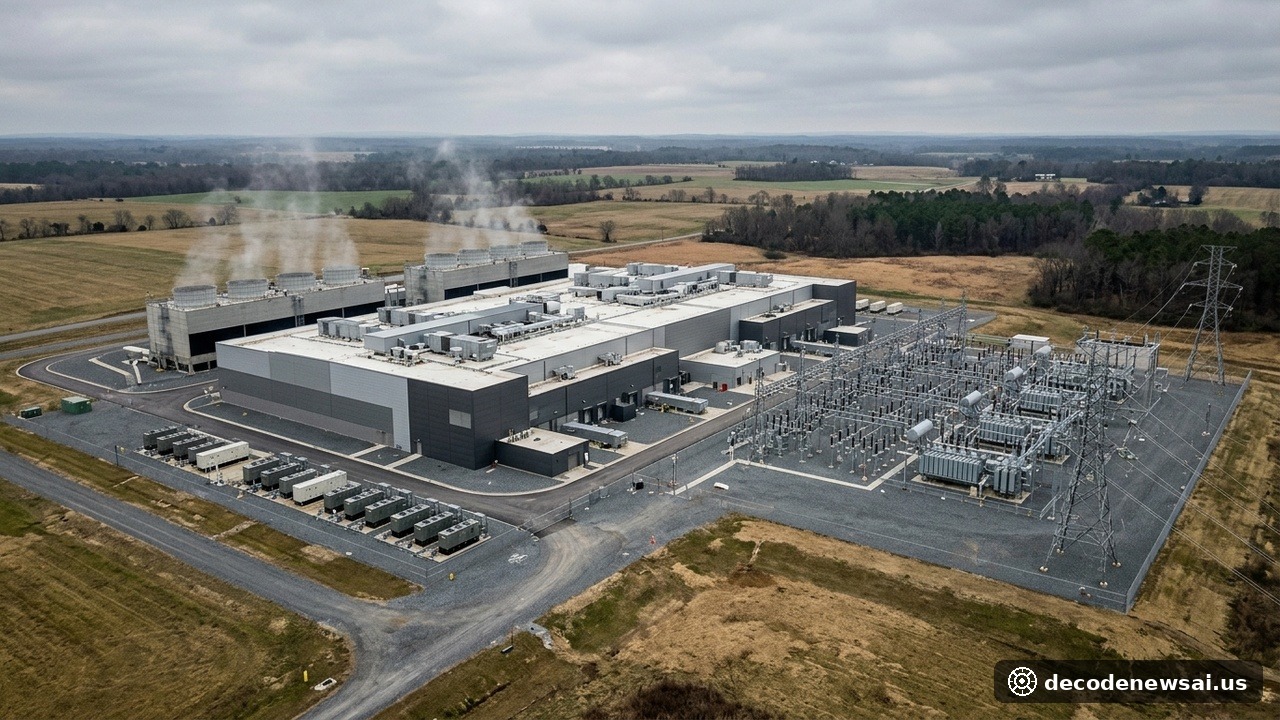
Democrats’ gains in the 2026 U.S. midterm elections, including control of Congress and key state offices, have increased the possibility of tougher oversight for AI data-center development. Democratic candidates who won gubernatorial races in Texas and Georgia had campaigned in part on pausing or reviewing large projects. Local communities have also raised concerns about the electricity and water consumed by data centers. Reuters reported on Nov. 5 that investors were assessing whether the election results could slow U.S. AI infrastructure construction and affect capital spending and share prices across the sector.
Local opposition gains influence in state governments
Texas and Georgia are important markets for data-center construction. Democratic candidates in both states called for pauses or closer reviews of large projects during their campaigns. Opponents argue that data centers use large amounts of electricity and cooling water, potentially raising household utility bills, straining local grids and creating noise and land-use concerns. Supporters point to construction jobs, tax revenue and infrastructure investment. The election results give opponents greater influence over state policy, but they do not mean existing projects will immediately stop.
Regulatory changes could affect AI investment plans
Goldman Sachs estimated that temporary pauses in some states could affect about 45% of planned U.S. data-center capacity expansion. That is a scenario estimate, not a finding that 45% of projects have been canceled. Investors worry that permitting, power contracts, water approvals and community agreements could take longer, delaying the deployment of new computing capacity. Some projects may instead move to states with more available power or less restrictive rules.
Markets are reassessing AI infrastructure stocks
After the election, shares of data-center operators, AI infrastructure companies and some power suppliers fell, while clean-energy stocks gained on expectations of stronger policy support. Reuters reported that investors expect more hearings, investigations and local restrictions on data-center projects. Analysts cautioned, however, that tougher oversight does not mean demand for AI computing will disappear. Developers may change project locations, energy sources or financing structures rather than cancel every planned facility.
OpenAI and other companies respond to community concerns
AI companies are beginning to make community and energy commitments to win local support. OpenAI published a policy blueprint on Nov. 5, pledging that data centers it owns and operates will pay their electricity and related infrastructure costs, disclose water, energy and noise impacts, and reduce power use when the grid is under strain. Other developers may face pressure to make similar commitments. The pace of future construction will depend on local regulation, transmission projects, power supply and whether companies can demonstrate tangible benefits for host communities.