Democrats’ Senate Victory Puts Supreme Court Succession in Focus, but Thomas and Alito Have Not Announced Plans to Retire
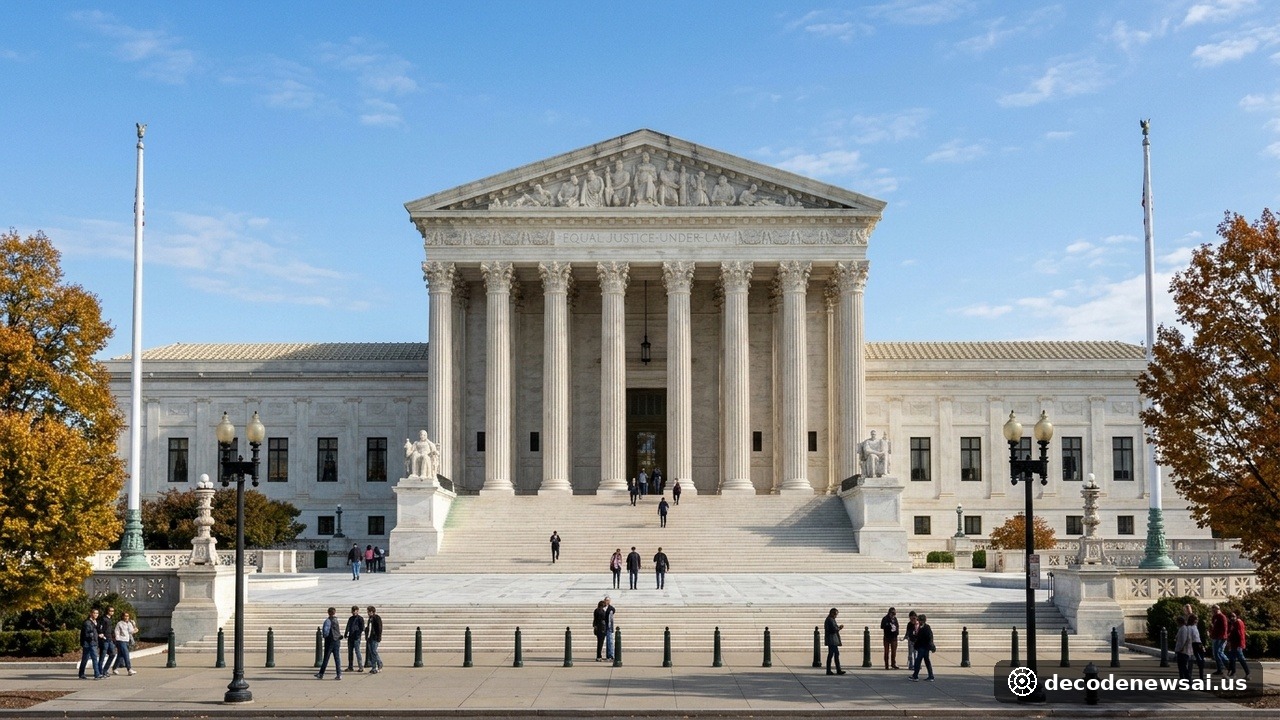
The Democrats’ victory in the 2026 midterm elections has renewed attention on the retirement prospects of the Supreme Court’s two oldest conservative justices, Clarence Thomas and Samuel Alito. Thomas is 78 and Alito is 76. Some Republicans fear that if either justice leaves the court while Democrats control the Senate, the chamber could block a successor nominated by President Donald Trump, potentially changing the court’s 6-3 conservative balance over time.
As of November 5, however, there is no public evidence that either justice plans to retire soon. Reuters reported that Thomas has made no public indication that he intends to leave the court. Alito previously said he planned to remain through the current Supreme Court term. CNN, citing people close to the two justices, reported that they did not expect either man to step down because of the election results.
Senate confirmation power changes the president’s options
The U.S. Constitution gives the president the power to nominate federal judges, subject to Senate advice and consent. Democrats are expected to take control of the Senate on January 3, 2027. Reuters and Bloomberg reported that the party could hold at least 54 seats. If a Supreme Court vacancy arises, Trump could still nominate a candidate, but confirmation would require Senate approval.
Supreme Court justices do not serve fixed terms. They generally remain in office until they die, resign or retire. If Thomas and Alito stay on the bench, they could continue to influence major cases involving executive power, immigration, abortion, gun rights and election law. Any vacancy would turn the choice of a successor and the confirmation process into a major political dispute between the White House and the Senate.
Republicans worry about losing their last confirmation window
Conservative Republicans fear Trump could lose the opportunity to appoint another Supreme Court justice during his presidency. If either older justice retires after Democrats take control of the Senate, Democrats could block a conservative nominee. Some Republican commentators have therefore urged the justices to consider retiring before the current Republican Senate majority ends.
Alito, however, has already said publicly that he intends to remain through the current term. Legal scholars have also warned that an immediate retirement followed by a rushed confirmation after the election could look overtly partisan and further damage public confidence in the court. Even if a justice wanted to retire, the Senate would need to schedule hearings, committee action and a full confirmation vote before the end of the year, leaving a narrow window.
Lower-court vacancies and nominations are also at stake
The Supreme Court currently has no vacancies. Ballotpedia’s federal judicial vacancy count as of November 1 showed zero Supreme Court openings, but 28 vacancies in federal district courts. Democratic control of the Senate would affect not only future Supreme Court nominations but also Trump’s appointments to federal appeals and district courts.
Reuters reported that Democrats are expected to change how the Senate Judiciary Committee reviews nominees and to press candidates on elections, executive power and judicial independence. Republicans may try to accelerate hearings and votes on some nominees before the end of 2026. How both parties use the final weeks of Republican control will help shape the federal judiciary for the remainder of Trump’s term.
Retirement speculation is not a decision by the justices
The justices’ ages and the political environment have prompted discussion about retirement timing, but they do not establish anything about their health or personal plans. Neither Thomas nor Alito has announced a retirement, and neither has publicly said he intends to leave immediately. What is clear is that the change in Senate control raises the political threshold for future nominations. Whether the Supreme Court has a vacancy remains a decision for the justices themselves.
For the court, the central issue is not short-term speculation but whether the appointment process can maintain public confidence in judicial independence. The court’s conservative majority remains in place for now. If a vacancy arises during the next two years, however, a Democratic Senate will have substantial power to influence who succeeds the departing justice.
Sources
- Reuters: Conservative US Supreme Court justices Thomas and Alito in spotlight after Democratic landslide
- The Washington Post: GOP's losses will raise pressure on conservative Supreme Court justices to retire
- CNN: Democratic wave prompts GOP anxiety over Samuel Alito and future of Supreme Court
- Bloomberg Law: Trump’s Power to Shape Supreme Court Doused by Democratic Rout
- Ballotpedia: The Federal Judicial Vacancy Count 11/1/2026