CoreWeave Bonds Hit New Lows as Texas Data-Center Approval Risk Triggers Another Sell-Off
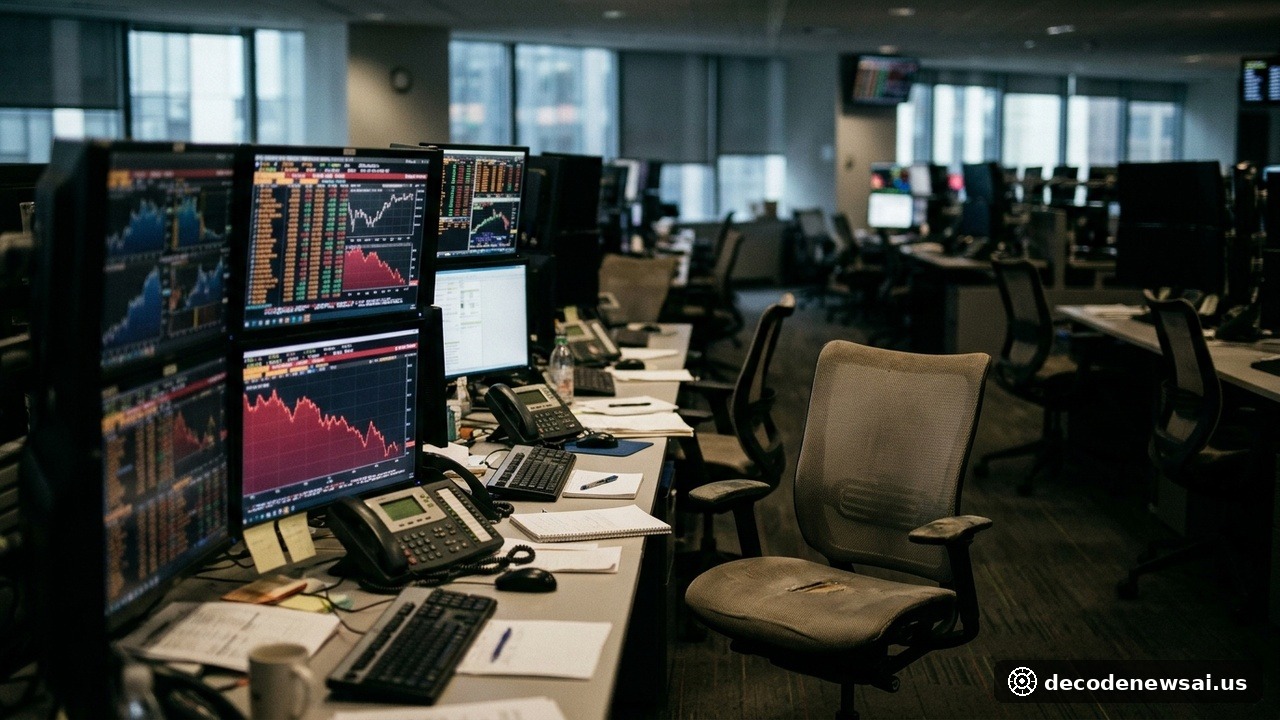
Bonds issued by AI cloud-computing company CoreWeave fell again on November 4, with some notes reaching new lows. Investors are concerned that election results could lead Texas and other states to tighten data-center approvals, affecting companies whose expansion depends on large computing facilities. Bloomberg reported that CoreWeave’s unsecured notes due in 2031 traded as low as 79.5 cents on the dollar. Its bonds due in 2030 and 2032 also declined, with yields exceeding 15%.
The stock came under pressure as well. Bloomberg reported that CoreWeave shares were down 7.2% at $49.85 at 10:24 a.m. in New York. A later Reuters market report recorded a 9.5% decline. Those figures reflect different reporting times and should not be treated as the final closing price. Investors are looking beyond AI demand to financing costs, debt levels and whether data-center projects can secure approvals and begin operating on schedule.
Texas election puts data-center policy risk into bond prices
Democrat Gina Hinojosa defeated incumbent Greg Abbott in the Texas governor’s race. During her campaign, Hinojosa called for a pause on all data-center approvals until the Texas Legislature meets in January 2027 and passes new protections for communities. The Texas Tribune reported that she is scheduled to take office on January 19, 2027, so her campaign proposal has not yet become the policy of a new administration.
Texas approvals were already constrained before the election. Abbott’s administration began pausing some environmental permits and grid connections for data centers in August while officials reviewed electricity use, water consumption, tax incentives and infrastructure arrangements. Hinojosa’s proposal could broaden those restrictions, but the specific projects affected and the timing of any change remain uncertain.
The policy debate extends beyond Texas. Bloomberg reported that Democratic governors-elect in Ohio and Georgia have also advocated slowing data-center construction. Investors are therefore reassessing local permitting and infrastructure risks across several states.
Bond prices signal financing stress, not a confirmed default
Bloomberg, citing TRACE trading data, reported that CoreWeave’s unsecured 2031 notes reached a low of 79.5 cents for each dollar of face value. Its 2030 and 2032 bonds also traded lower, with yields above 15%. When bond prices fall, yields rise. That can make future borrowing more expensive and signals that investors demand greater compensation for taking the company’s credit risk.
A bond trading below 80 cents is often treated by market participants as a sign of financial stress. It does not, by itself, establish that a company has defaulted or is about to file for bankruptcy. Bloomberg had already reported on October 14 that CoreWeave’s 2032 notes had fallen below 80 cents, pushing yields above 15%. The latest decline shows that concerns have persisted rather than appearing for the first time after the election.
Axios has described a broader shift in the AI debt market: investors are becoming more selective about which companies, projects and financing structures they support. They are looking more closely at construction progress, customer commitments, leases, debt obligations and the time required for infrastructure to generate cash.
Large customer contracts support growth, but leverage remains a concern
Reuters reported on October 15 that CoreWeave had about $50 billion in debt and relied on private-credit investors, banks and bond markets to finance its expansion. Microsoft accounted for about 67% of CoreWeave’s 2025 revenue, according to company filings cited by Reuters. Its agreements with OpenAI total about $22.4 billion, while agreements with Meta could reach $35.2 billion. Nvidia has also committed to buying up to $6.3 billion of unused computing capacity through 2032.
Those contracts provide a substantial base of expected demand, but they do not eliminate cash-flow risk. Data centers require significant upfront spending on buildings, chips, electricity and related infrastructure before they can deliver computing services at scale. If permits are delayed, construction costs rise or customer demand does not match the timing of new capacity, CoreWeave could face pressure on financing and cash flow.
The contract values cover different periods and conditions. They should not be treated as revenue already collected or as guaranteed cash available to repay debt.
Election results reshape industry expectations, but the outcome is unresolved
Reuters reported that CoreWeave shares fell 9.5% on November 4. Other data-center operators also declined: Applied Digital fell 8.8%, while Cipher Digital dropped 21%. Analysts quoted by Reuters said tighter oversight could make AI infrastructure more expensive, but would not necessarily eliminate demand for new capacity. A slower pace of construction could also increase the value of existing data centers owned by large cloud companies.
The confirmed facts are that some CoreWeave bonds are trading at distressed levels, yields on certain notes exceed 15%, and Texas’s governor-elect has called for a pause in data-center approvals. The company also carries substantial debt and has long-term customer contracts. What remains unknown is the final policy adopted by the incoming Texas administration, whether specific projects will be delayed and whether borrowing costs will rise further.
The bond sell-off is a warning that investors are reassessing the capital risks behind the AI infrastructure boom. It is not evidence that CoreWeave has defaulted.
Sources
- Bloomberg Law: CoreWeave Bonds Hit New Lows as Texas Data Centers in Crosshairs
- Reuters: AI data-center stocks slide, renewables rally after Democratic US midterm sweep
- Bloomberg: CoreWeave’s Bonds Turn Distressed, Drawing ‘Yikes’ From Musk
- Yahoo Finance: CRWV Stock Drops Over 9% And Its Bonds Tumble After Democrat Wave Hints Towards Slower Data Center Builds
- Morningstar: CoreWeave and Data Center Bonds Slide on Capex and Debt Overhang Concerns