Democratic Sweep and Texas Flip Put Elon Musk’s Business Empire Under Greater Scrutiny
Democrats’ victories in the 2026 midterm elections have created new political and regulatory challenges for Elon Musk’s companies. Democrats won control of both chambers of Congress, while Texas elected Gina Hinojosa as its first Democratic governor in more than three decades. Reuters reported that Musk spent nearly $500 million backing Republican candidates in an effort to keep Texas under Republican control, but many of those candidates lost. The results could bring closer congressional scrutiny of Tesla, SpaceX and Musk’s broader business interests.
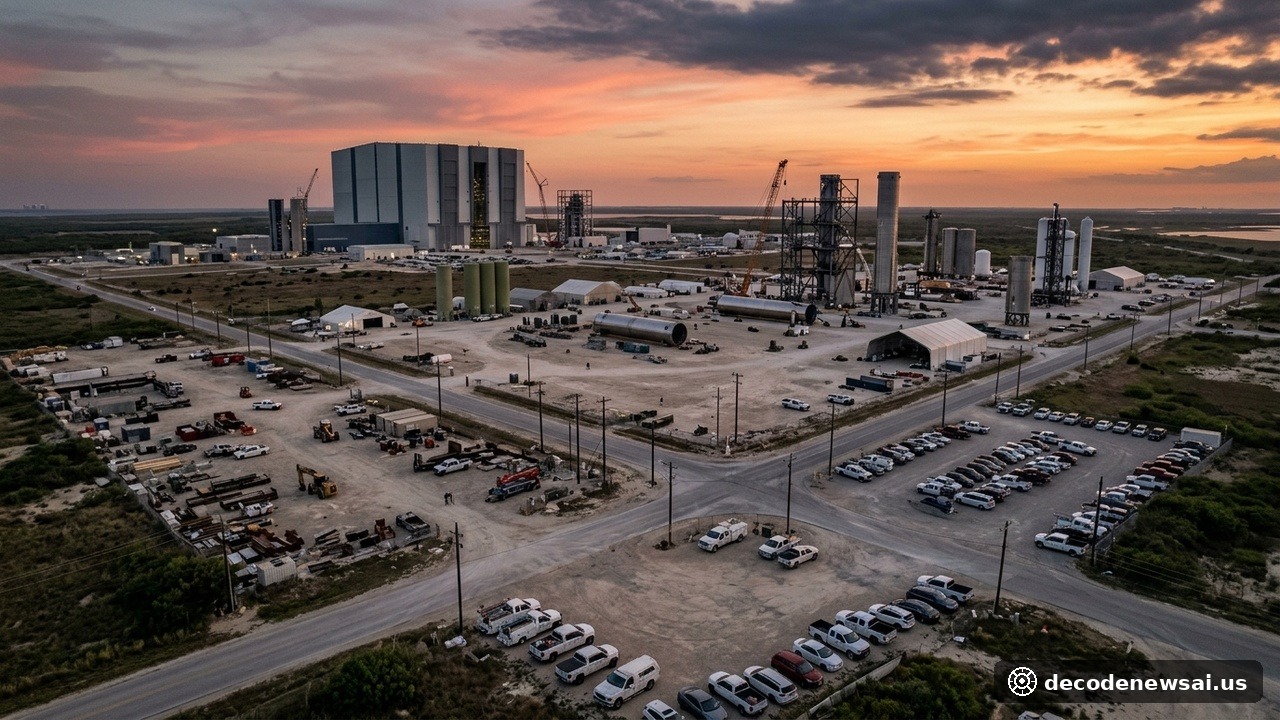
Texas is central to Musk’s corporate plans. Tesla operates major facilities in the state, SpaceX is expanding its Starbase operations, and the companies have discussed broader ambitions involving artificial intelligence and chip manufacturing. Hinojosa has opposed a potential sale of beachfront state parkland to SpaceX and has called for a pause on new large data-center projects until lawmakers strengthen community protections and remove certain tax incentives.
Nearly $500 million in political spending fails to preserve Republican control
Reuters reported that Musk spent close to half a billion dollars supporting Republican candidates in the midterm cycle, including races in Texas and other states. He urged followers on X to vote Republican shortly before Election Day. But Democrat Gina Hinojosa defeated incumbent Gov. Greg Abbott, making her the first Democratic governor of Texas in more than three decades. Reuters also reported that only a small number of the 43 Republican candidates backed by Musk had won, with some races still being counted.
Musk had warned that a Democratic victory could lead to investigations into his companies. His businesses rely on government contracts, subsidies, regulatory approvals and public infrastructure decisions. Congressional scrutiny could therefore affect more than political messaging: it may influence the operating environment for space launches, satellite communications, electric vehicles and artificial-intelligence infrastructure.
Data-center expansion could face new state-level obstacles
SpaceX has been expanding its artificial-intelligence computing business. Reuters reported that the company’s Colossus and Colossus II data centers near Memphis, Tennessee, rent computing capacity to customers including Anthropic. SpaceX aims to increase capacity from 1.7 gigawatts at the end of September to as much as 3 gigawatts by year-end, with a longer-term goal of reaching 13 gigawatts next year.
Hinojosa has called for an immediate pause on new data-center projects in Texas until lawmakers strengthen protections for local communities and end certain tax breaks. She has also opposed a possible sale of beachfront state parkland to SpaceX. If the incoming administration slows approvals or changes incentives, SpaceX could face delays in expanding its AI infrastructure and meeting its growth targets.
Those proposals are not yet state policy. Hinojosa will not take office until January 2027, and any moratorium or change to tax incentives would require formal action. Existing projects and contracts will not automatically stop because of the election result.
Congressional oversight may reach contracts and regulatory decisions
With Democrats controlling both chambers, congressional committees will gain chairmanships and greater authority to investigate federal agencies and businesses connected to the administration. Lawmakers may review government contracts and subsidies awarded to Musk’s companies, the federal workforce cuts made during his work with DOGE, and controversies involving SpaceX satellite services used by Ukraine’s military.
The companies may also face questions about conflicts of interest and the relationship between Musk’s political spending and the government decisions that affect his businesses. That does not mean wrongdoing has been established. Congressional investigations can request documents, hold hearings and examine policy decisions, but they do not automatically cancel contracts or revoke permits.
Reuters reported that Tesla and SpaceX shares fell about 5% in premarket trading after the election results. Those were early trading prices, not official closing figures. Investors were reacting to the possibility of more regulatory scrutiny and delays to data-center development, although share prices also reflect broader market conditions and company-specific financial performance.
Election results do not immediately halt projects
The new Texas administration and the new Congress will begin work in January 2027. Until then, current state and federal policies remain in place. The future of SpaceX’s land plans, data-center construction and federal contracts will depend on formal decisions by state officials, regulators and Congress.
The confirmed development is that Musk’s nearly $500 million effort to support Republicans did not prevent Democrats from winning both chambers of Congress and flipping the Texas governorship. His companies now face the prospect of stronger scrutiny, particularly around data centers and government relationships. Whether investigations are formally launched, whether Texas imposes a data-center pause and whether SpaceX or Tesla projects are delayed remain unresolved.
Sources
- Reuters: Elon Musk's business empire braces for Democratic wave as Texas flips blue
- The New York Times: SpaceX and Tesla Stocks Tumble After Elon Musk-Backed Candidates Lose in Texas
- The Wall Street Journal: Elon Musk Faces a New Political Landscape After Texas Turns Blue