Elon Musk Faces Potential Congressional Scrutiny After Spending Nearly $450 Million on Midterm Elections
Elon Musk spent nearly $450 million supporting Republican candidates in the 2026 U.S. midterm elections, but most of those candidates failed to win. Reuters reported on November 5 that only three of the 43 Republican House candidates backed by Musk had won, while 33 had lost and seven races remained uncalled at the time. Six of the seven Republican Senate candidates he supported also lost, with the Alaska race still being counted.
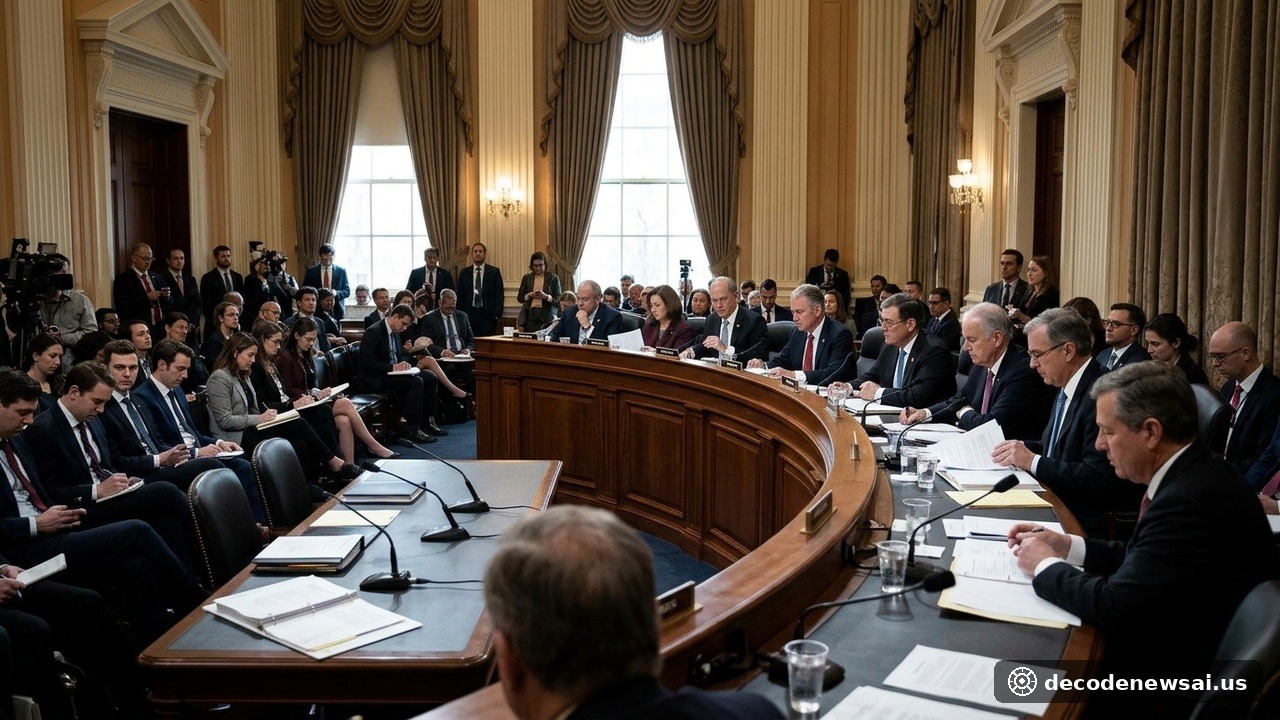
Democrats’ victories gave them control of both chambers of Congress and the ability to expand committee oversight of Musk’s relationship with the federal government. His businesses include Tesla, SpaceX and the artificial-intelligence company xAI, with interests in government contracts, aerospace, satellite communications, data-center construction and energy use. Democratic lawmakers say potential inquiries could examine federal contracts, conflicts of interest during Musk’s work with the Department of Government Efficiency, and restrictions on Starlink use in Ukraine.
Campaign spending and federal contracts are central questions
Reuters, citing OpenSecrets data, reported that Musk spent about $445 million on federal races, making him one of the most influential political donors in the election. His spending in Texas was particularly concentrated, including the Senate and governor’s races. Democrats argue that Musk’s role as a major Republican donor, combined with his companies’ federal business, warrants scrutiny of whether political influence and private commercial interests have overlapped.
NPR reported that Democratic lawmakers want to examine whether Musk used his government position during his time with DOGE to influence decisions affecting his companies, and whether taxpayer money, government data or public institutions were put at risk. These are proposed lines of inquiry, not established findings that Musk or his companies broke the law. Musk did not respond to NPR’s request for comment.
SpaceX and Tesla face different regulatory questions
SpaceX has major aerospace, defense and satellite-communications relationships with the U.S. government. The use of Starlink in Ukraine has also drawn attention from Democratic lawmakers. Reuters reported that possible congressional scrutiny could include SpaceX contracts with NASA and the Defense Department, as well as the impact of Starlink service restrictions on Ukraine’s military operations. Other lawmakers have sought information about the environmental effects of Musk’s data-center and AI operations.
Tesla faces a different policy environment involving electric vehicles, energy, autonomous driving and government incentives. Musk’s business presence in Texas could also be affected by state policies on electricity and water use by large data centers and tax incentives for major companies. Texas Governor-elect Gina Hinojosa has called for a pause on new data-center projects and a review of tax breaks, but those proposals would still require legislative and regulatory action.
Market reactions do not establish wrongdoing
Tesla and SpaceX shares fell on November 4 after the election results became clearer. Reuters reported declines of about 3.9% for SpaceX and 3.3% for Tesla, although other outlets reported different figures at different points in the trading session. Investors were weighing the possibility of tougher scrutiny under a Democratic-controlled Congress, along with uncertainty around data-center approvals, government contracts and a potential corporate combination.
A share-price decline reflects investor expectations; it does not mean Congress has already taken action or that a company has violated the law. Democrats would still need to define the scope of any investigation, obtain documents and testimony, and address possible legal challenges from the White House. Musk and his companies would have an opportunity to respond to allegations in any formal inquiry.
Congressional oversight could shape the 2028 political cycle
Democrats preparing to lead the House Oversight Committee have said they intend to examine government-business relationships and potential conflicts of interest. Musk could become one of their targets, but the broader agenda also includes Trump family business dealings, pharmaceutical pricing agreements and other government contractors. Investigations focused on clear evidence and public-interest questions may be easier to defend politically; probes perceived as retaliation could create a backlash.
What is established so far is that Musk spent heavily in the election, many of his preferred candidates lost and Democrats have signaled plans to expand congressional scrutiny of his businesses. The timing of any investigation, whether subpoenas will be issued and whether the process will affect government contracts or regulatory approvals remain unresolved until the new Congress takes formal action.