Texas Blue Wave Reshapes State Politics as Democrats Win Governor’s Office and House
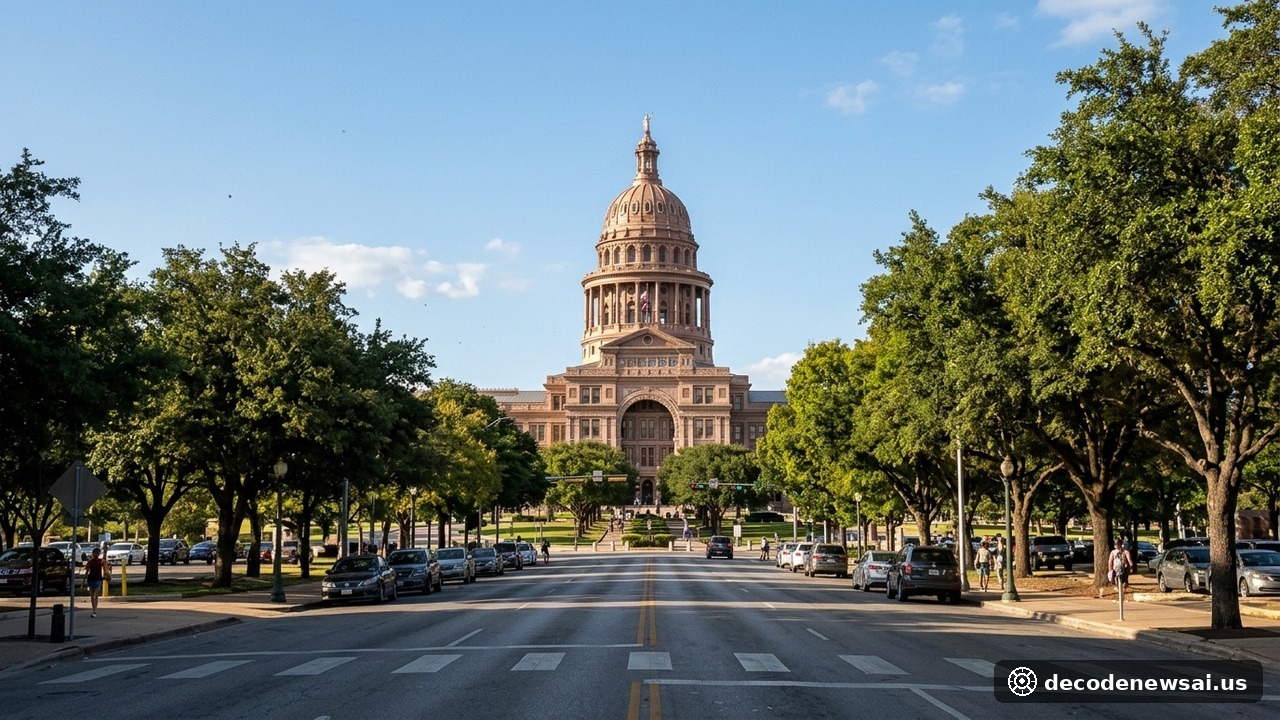
Democrats made historic gains in Texas on November 3. Gina Hinojosa defeated Republican Governor Greg Abbott, who was seeking a fourth term, becoming the state’s first Latina governor. Democrat James Talarico also won a U.S. Senate seat, ending a long period of Republican dominance in Texas Senate elections. Democrats captured control of the Texas House as well, changing a political landscape that had been dominated by Republicans for years.
The victories do not give Democrats unrestricted power to enact their agenda. Republicans still control the Texas Senate. The governor and House majority can set more of the legislative agenda, but major changes involving budgets, education, health care and taxes will require negotiations across the legislature. In her victory speech, Hinojosa said she did not want one era of single-party rule to be replaced by another.
Affordability and public services were central campaign issues
Hinojosa campaigned on household affordability, public education and government accountability. She proposed a one-time $1,500 payment to Texas residents funded from the state’s emergency savings. She also opposed the private-school voucher program, pledged to increase resources for public schools and supported expanding health coverage. Those promises still require legislative and budget action; they do not take effect automatically because she won the election.
Reuters reported that concerns about living costs, immigration enforcement and dissatisfaction with Trump administration policies helped move some Latino voters toward Democrats. Election data also showed increased turnout in border counties and the state’s largest urban counties, helping Democratic candidates widen their margins. Preliminary analysis by The Texas Tribune said about 9.8 million Texans voted, the largest number in a Texas midterm election since at least 1970, although it was not a record turnout rate.
The policy tests facing the new governor and Legislature
Hinojosa has pledged to replace the state education commissioner, oppose private-school vouchers and review the state takeover system for local school districts. Democrats may also seek to expand health coverage, reduce property-tax burdens, limit tax incentives for large data centers and increase scrutiny of agreements between government and private companies. But Republican control of the Senate means many proposals could face changes or compromise.
The Democratic majority in the Texas House is not overwhelming. New lawmakers will need to balance the priorities of urban, suburban and border districts. Republicans can still use their Senate majority and the governor’s legislative veto powers to constrain the agenda. For voters, the practical test will come after bills are introduced, budgets are passed and agencies begin implementing policies during the 2027 legislative session.
Could Texas become a new swing state?
Texas has long been considered a major Republican stronghold in presidential elections. The results in the governor’s and Senate races, together with the change in control of the state House, will lead both parties to reassess the state’s competitiveness in 2028. But one midterm election does not prove that Texas has become a stable swing state. Candidates, turnout, economic conditions, presidential approval and district boundaries could all change before the next election.
The clearest meaning of the result is that Texas voters reassessed long-standing one-party rule and transferred part of the state government’s power to Democrats. Whether that shift becomes lasting policy will depend on Hinojosa’s ability to deliver on education, health care and affordability, and on whether Democrats can negotiate with the Republican-controlled Senate.