Haley Stevens Doubles Down on Backing Republican After Abdul El-Sayed Wins Michigan Senate Race
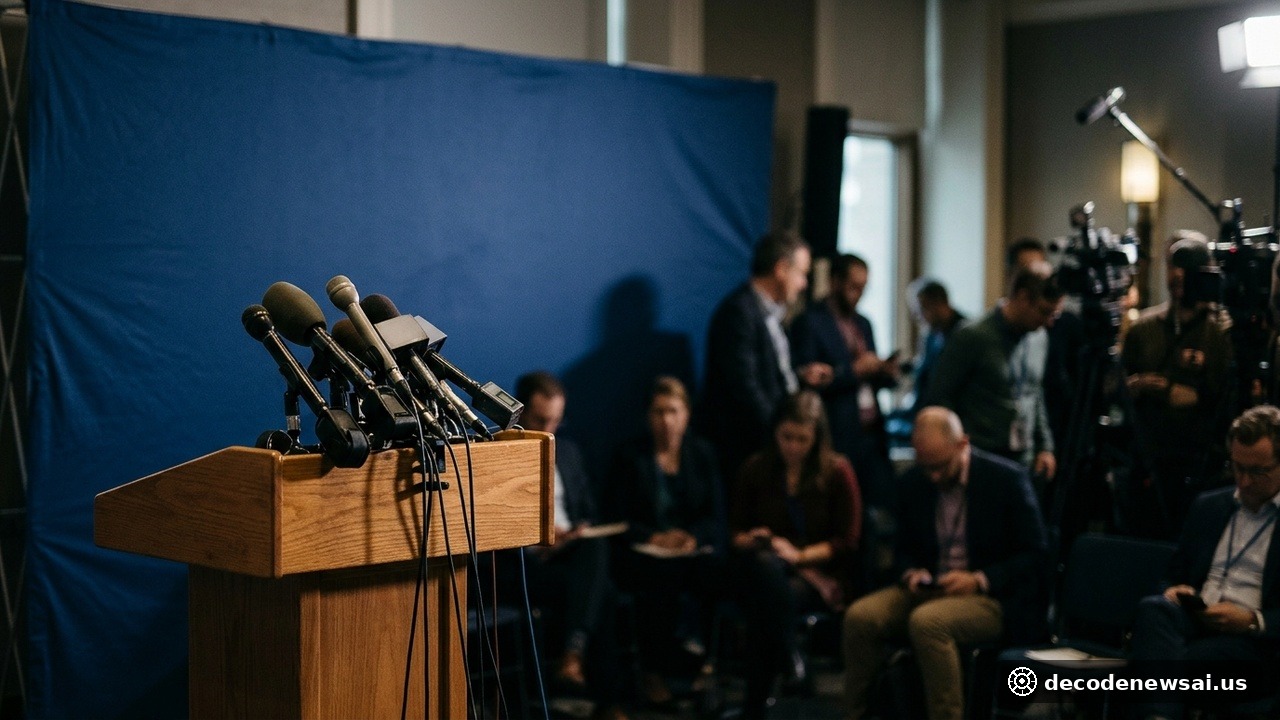
Democrat Abdul El-Sayed defeated Republican Mike Rogers in Michigan’s November 3 midterm election, winning the state’s open U.S. Senate seat. The Associated Press projected El-Sayed as the winner early on November 4, with the Democrat leading 52.4% to 45.6% when about 96% of the expected vote had been counted. The result came after Rep. Haley Stevens, whom El-Sayed defeated in the Democratic primary, withdrew her support for him two days before Election Day and endorsed Rogers instead. After El-Sayed’s victory, Stevens continued to defend that decision.
Stevens published a nearly 900-word statement on X titled “The Decisions We Make.” She described her endorsement switch as a personal decision of conscience and rejected claims that her fiancé, Jason Turkish, had made the choice for her. She also criticized El-Sayed’s campaign for what she described as a failure to engage with voters who had supported her in the primary.
Stevens says her fiancé did not influence the decision
In the statement, Stevens called suggestions that her fiancé had driven the endorsement switch “sexism dressed up as political analysis.” She said Turkish has his own views and that she has hers, emphasizing that she was responsible for the decision. Turkish had previously said publicly that he intended to vote for Rogers, prompting questions about whether his political position influenced Stevens.
Stevens said she had endorsed El-Sayed after losing the Democratic primary but felt that his campaign did not engage with voters who had supported her. She argued that his approach to those voters contributed to her conclusion that he was not fit to serve in the Senate.
She also criticized an outside advertisement that connected grocery prices with U.S. support for Israel, and questioned El-Sayed’s campaign appearances and associations with conservative commentator Tucker Carlson and streamer Hasan Piker. Those criticisms were Stevens’ own explanation for her decision, not findings established by an independent investigation.
El-Sayed wins and is projected to become the first Muslim U.S. senator
The Associated Press projected that El-Sayed defeated former Republican congressman Mike Rogers to win the open Michigan Senate seat. He is set to become the first Muslim elected to the U.S. Senate and will succeed retiring Democratic Sen. Gary Peters. In the AP’s early November 4 results snapshot, with about 96% of the expected vote counted, El-Sayed had 52.4% to Rogers’ 45.6%. The vote totals remain unofficial until Michigan completes its canvass and certification.
El-Sayed, a former Wayne County health official, campaigned on Medicare for All, reducing medical debt and household costs, and limiting the influence of corporate money in politics. He won the Democratic primary against Stevens in August and then faced Rogers in the general election. Rogers emphasized national security, immigration and inflation during the campaign. El-Sayed’s victory keeps the seat in Democratic hands.
Democratic leaders consider consequences for Stevens
Stevens faced strong criticism from Democratic colleagues after she endorsed Rogers. Senate Democratic Leader Chuck Schumer said he was disappointed by her decision. House Democratic Leader Hakeem Jeffries called the endorsement a “terrible” move and said party leaders would discuss next steps when Congress returned. Some Democrats argued that backing a Republican opponent violated caucus expectations and could warrant sanctions, including the loss of committee assignments or access to party meetings.
Stevens’ congressional term is scheduled to end in January 2027, which could limit the practical effect of any disciplinary action. No final decision on sanctions has been announced. In her statement, Stevens described herself as a proud Democrat and argued that the party should be able to tolerate disagreement among its members.
The dispute has exposed tensions between Democratic establishment figures and the progressive wing, particularly over Israel policy, campaign messaging and the role of outside spending. El-Sayed’s victory gives progressives an argument that a candidate with a left-leaning platform can win in a competitive state, even after a divisive primary and a late endorsement reversal by a prominent Democratic lawmaker.
The endorsement controversy did not change the outcome
Stevens’ decision became one of the final days’ most visible political disputes in Michigan, but it did not prevent El-Sayed from winning the seat. The AP’s race call is separate from official certification, and vote totals may continue to change as the remaining ballots are counted.
The confirmed developments are that El-Sayed was projected as the winner, Stevens published a lengthy defense of her endorsement of Rogers and she denied that her fiancé influenced the decision. Whether Democratic leaders impose formal sanctions, how Michigan certifies the final result and what role Stevens will play in the party after leaving Congress remain unresolved.
Sources
- The Wall Street Journal: Haley Stevens’s 900-Word Post Defending Endorsement Switch
- CBS News: Abdul El-Sayed wins Michigan 2026 Senate election, CBS News projects
- USA Today / AOL: Stevens explains Michigan Senate endorsement, Dems say El-Sayed will win
- Futurism: Did Haley Stevens Use AI to Write Her Blog Post About Her Controversial Endorsement?
- Reality Tea: Hannah Einbinder Mocks Haley Stevens After Abdul El-Sayed’s Victory