Apple Reportedly Targets 16 Million MacBook Neo Shipments in 2027 as It Prepares a Second-Generation Model
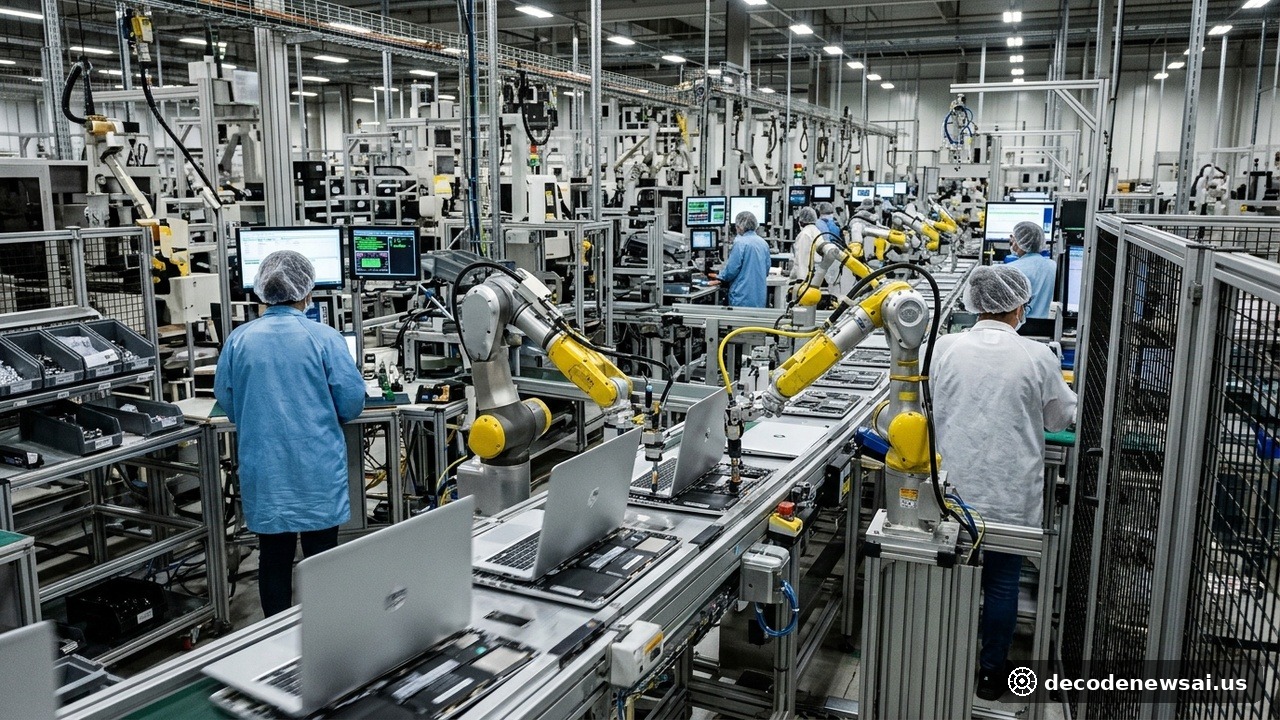
Apple has reportedly given suppliers a shipment forecast of about 16 million MacBook Neo units for 2027, close to twice the roughly 8 million units forecast for the first-generation model in 2026. DigiTimes reported on November 4, citing supply-chain sources, that Apple had shared the larger target with component suppliers. 9to5Mac said the company is preparing a second-generation Neo for early 2027 and appears to expect the lower-cost MacBook line to become a significantly larger business.
The 16 million figure is a supplier shipment forecast, not a confirmed order total, completed shipment count or measure of consumer purchases. The first MacBook Neo launched in March 2026, so the roughly 8 million-unit estimate for its first year covers about 10 months. The 2027 forecast covers a full year. The headline comparison therefore should not be described as a like-for-like 100% year-over-year increase.
Suppliers reportedly receive a 16 million-unit forecast
DigiTimes reported that Apple had provided suppliers with a forecast of approximately 16 million MacBook Neo shipments for 2027, compared with nearly 8 million expected in 2026. The report is based on supply-chain sources and does not represent a public sales target announced by Apple. Apple has not confirmed the number.
9to5Mac noted that the 2027 calendar includes January and February, when the first-generation model was not yet available in 2026. Those additional months account for some of the difference, but not all of the reported increase. A supplier forecast reflects production planning and expected demand. Actual shipments and retail sales will depend on launch timing, component availability and consumer response.
Apple’s decision to plan for a much larger volume suggests it sees the Neo as more than a one-off entry-level product. But the forecast remains an early signal from the supply chain, not proof that Apple will sell 16 million laptops.
A second-generation model is expected in early 2027, but details remain unconfirmed
Bloomberg reporter Mark Gurman has previously reported that Apple plans to release a second-generation MacBook Neo in 2027. 9to5Mac’s roundup of the reports says the new model could move from the A18 Pro processor to an A19 Pro chip, increase unified memory from 8GB to 12GB and add new color options. MacRumors has also cited Gurman’s reporting on those expected changes.
None of those specifications has been confirmed by Apple. The possibility of a touchscreen is also unsettled. Analyst Ming-Chi Kuo previously suggested that a future Neo could gain touch support, but later said his latest supply-chain checks indicated that the second-generation model might not include a touch panel. Apple has not announced the product’s final name, launch date, price or configuration.
The rumored upgrades would be relatively focused on performance and memory rather than a complete redesign. A newer chip and more memory could make the laptop more capable for multitasking and on-device AI features, but the actual benefits will depend on the final hardware and software support.
The first Neo has attracted first-time Mac buyers
Apple introduced the first MacBook Neo in March 2026 as a lower-cost entry point to the Mac lineup. TechCrunch, citing IDC data, reported that Apple shipped about 1.1 million Neo units in the quarter ended in March, even though the laptop was available for only about three weeks during that period. CEO Tim Cook also said the Mac had its best-ever sales week among first-time Mac customers, with the Neo helping drive the result.
The first model combines a 13-inch display, an aluminum enclosure and Apple-designed silicon at a lower price than the MacBook Air. To reach that price, Apple used the A18 Pro chip and 8GB of memory rather than an M-series processor and the higher memory configurations found in other Mac models. The product’s appeal depends on whether buyers consider those trade-offs acceptable for a more affordable Mac.
Apple has not released a complete retail sales figure for the Neo. Reports about shipment volume, customer demand and supplier orders should therefore be kept separate from confirmed consumer sell-through.
Pricing and component costs could shape the next model’s prospects
The first MacBook Neo launched in the United States at $599, but Apple raised its price to $699 in June 2026. The Verge previously reported that higher memory and component costs could lead Apple to change the entry-level configuration or pricing. If the second-generation model adds memory and uses a newer processor, Apple will need to balance the product’s affordability against its manufacturing costs and profit margins.
The larger shipment forecast also points to Apple’s interest in reaching students, families and people buying their first Mac. That market is competitive: Windows PC makers also sell thin, lightweight laptops at lower prices. If Apple raises the Neo’s price too far, it could weaken the value proposition that helped distinguish the first model from more expensive Macs.
The 16 million figure remains a forecast, not a completed sale
What is currently reported is that Apple has given suppliers a 2027 MacBook Neo shipment forecast of about 16 million units, according to DigiTimes. A second-generation model is expected in 2027, while the A19 Pro chip, 12GB of memory and additional colors remain reported possibilities. Apple has not publicly confirmed the target, specifications or price.
It remains unknown how many orders suppliers will ultimately receive, when mass production will begin, whether consumer demand will meet the forecast and whether memory costs will affect pricing. The 2026 estimate covers only part of the year after the first model’s March launch, so the comparison needs that timing context. Apple’s future financial reports and actual supplier shipments will provide a clearer test of whether the Neo becomes a major volume product.
Sources
- DigiTimes: Apple expects MacBook Neo shipments to double in 2027, sources say
- 9to5Mac: MacBook Neo 2 is coming, and Apple reportedly expects a massive hit
- AppleInsider: Apple is reportedly doubling orders for a new MacBook Neo
- MacRumors: Apple Planning to Update MacBook Neo in Three Ways
- Yahoo Finance: Apple Reportedly Targets 16 Million MacBook Neo Units in 2027