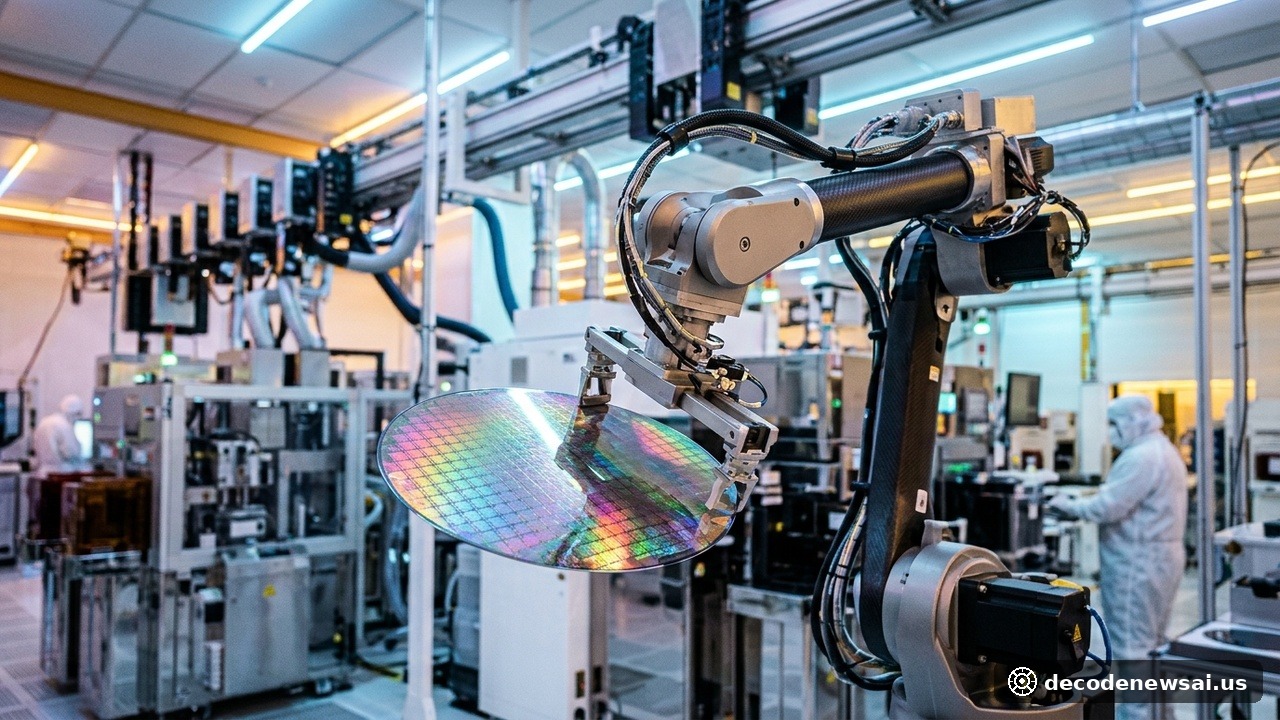
Shares of memory-chip maker Micron Technology fell about 12% intraday on Nov. 5, making it one of the prominent casualties of a broad semiconductor selloff. Reuters reported that the Philadelphia Semiconductor Index briefly dropped about 11%, while the Nasdaq Composite fell as much as 5%. Micron, Sandisk, AMD, Dell and Marvell were among technology companies recording double-digit declines. The selloff came a day after the U.S. midterm elections, as investors reassessed the outlook for artificial-intelligence infrastructure spending.
Election results raise questions about data-center policy
After Democrats won control of both chambers of Congress, investors began weighing whether the new political landscape could bring closer scrutiny of data-center construction. Some Democratic candidates had supported pauses or restrictions on projects, citing electricity demand, water use, land use and pressure on local power bills. Investors worry that slower permitting could affect demand for servers, memory, networking equipment and chips. But the election result does not mean data-center construction will stop immediately. Any policy changes would require legislative or regulatory action.
More than one factor is weighing on chip stocks
Micron and other semiconductor shares had already been under pressure for weeks before Nov. 5. Investors have questioned whether valuations across AI-related stocks had become stretched and whether companies will turn large infrastructure investments into profits quickly enough. Reuters also pointed to earnings and outlook concerns at companies including Qualcomm and Arm, adding to the sector’s weakness. Micron’s decline occurred alongside a broad retreat in memory and data-center supply-chain stocks, so it should not be attributed to one political development alone.
Company-specific risks remain
Micron is a major supplier of DRAM and NAND memory. Demand for high-bandwidth memory and data storage in AI servers has been an important growth driver for the industry. At the same time, the company faces risks involving capacity investment, labor relations, memory-price cycles and customer spending plans. Media reports said Micron had paused work on a planned large facility in Taiwan amid a labor dispute. That news coincided with the sector selloff, but it does not establish that the project was the sole cause of the share-price decline.
What investors will watch next
Investors will look for signs that semiconductor shares are stabilizing, whether AI data-center operators adjust capital spending, and whether memory prices and supply contracts remain strong. The roughly 12% decline in Micron shares was an intraday snapshot, not the final closing performance. A sharp move in the stock also does not mean the company’s underlying business changed by the same percentage. The key is to distinguish a short-term shift in risk appetite and valuation from actual changes in orders and demand.