Iran Calls US Reply on Hormuz Reopening Conditions Unconvincing as Tensions Persist
Tehran rejects the US response to its conditions
Iran said on November 3 that the US response to its seven conditions for reopening the Strait of Hormuz was “not convincing,” demanding that Washington address all of the requirements explicitly. Mohsen Rezaei, secretary of Iran’s Supreme National Security Council, said in a post on X that the waterway would reopen only if the United States fully addressed Iran’s demands.
The conditions include lifting the US naval blockade on Iranian ports, removing sanctions on Iranian oil and agreeing to a shipping route coordinated by Iran and Oman. Tehran has described a staged proposal under which the strait could reopen within a short period if Washington accepts its conditions. The two governments have not published an agreed text or a timetable for implementation.
Qatar is helping relay proposals between the two sides. A spokesperson for Qatar’s Foreign Ministry said indirect talks were continuing and that both sides remained committed to the negotiation process. However, Washington and Tehran have not publicly resolved their differences over the blockade, sanctions or who would control shipping arrangements through the strait.
The latest exchange highlights the gap between diplomatic activity and an actual agreement. Statements about negotiations have raised hopes of reopening the waterway, but Iran’s rejection of the US response shows that the core terms remain disputed. Neither side has announced a final deal.
Trump confirms a limited strike on an Iranian island
While diplomatic contacts continued, President Donald Trump confirmed that US forces struck an air-defense facility on Iran’s Qeshm Island near the Strait of Hormuz on November 3. Trump described the operation as a “minor attack” and said it “wasn’t war.” US officials had characterized the action as defensive, saying the target involved Iranian personnel using surface-to-air missiles against US assets.
Iranian media reported explosions on Qeshm Island and nearby areas. Washington has not released a full account of the operation, and the two sides have offered different descriptions of the circumstances surrounding it. Trump said the United States could take further action if necessary, while also saying he did not want to kill large numbers of people.
The strike came after the US midterm elections, following days of speculation over whether Trump would resume a broader military campaign once voting ended. US media had reported that Central Command had prepared plans for possible additional strikes. The White House has not announced a return to full-scale operations.
The distinction between a limited strike and a renewed campaign remains important. Trump’s description of the action does not settle how Iran will respond, and the US has not publicly detailed what further military steps, if any, are under consideration.
Commercial shipping faces another reported attack
The United Kingdom Maritime Trade Operations office, or UKMTO, said a tanker reported that two unidentified projectiles struck its engine room about 14 nautical miles northeast of Limah, on Oman’s coast. No casualties were reported. UKMTO did not identify who was responsible or provide a confirmed assessment of the vessel’s damage.
Iran’s Islamic Revolutionary Guard Corps offered a separate account. It claimed that four tankers had struck mines and caught fire after turning off navigation and identification systems and using routes it considered unauthorized. The IRGC also said it had seized two other vessels. Those claims have not been independently verified and cannot be assumed to describe the same incident reported by UKMTO.
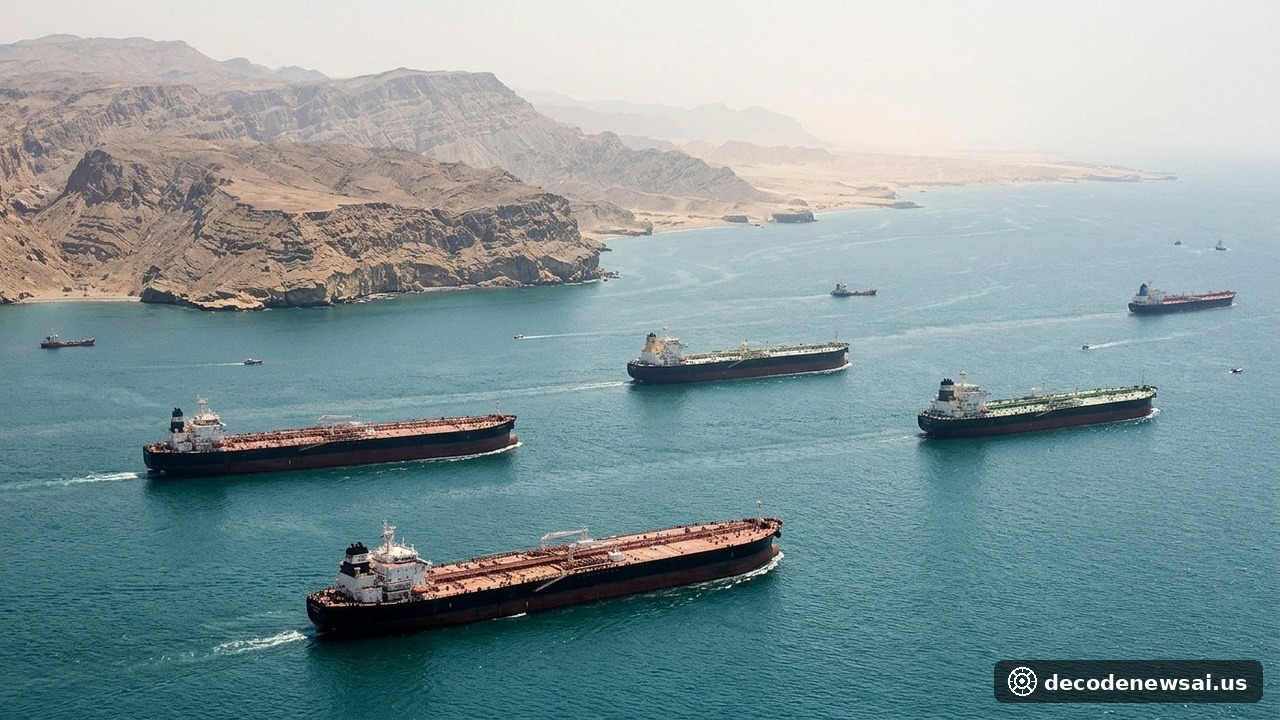
The Strait of Hormuz is a major route for global energy shipments. The United States has imposed a naval blockade on Iranian ports, while Iran has sought to control how vessels move through the waterway. Disputes over shipping lanes, maritime authority and the blockade have kept commercial traffic exposed to security risks.
Any prolonged disruption could affect shipping routes, insurance costs and energy supplies. The scale of those effects will depend on whether further attacks occur and whether negotiations produce an enforceable arrangement. Reports of attacks and seizures should be treated carefully until independent maritime or government sources confirm the details.
Diplomatic efforts continue as escalation risks remain
Qatar and other regional governments are continuing mediation efforts to prevent the conflict from widening again. Iran wants the blockade and sanctions addressed as part of a reopening arrangement. The United States, meanwhile, has called for an end to threats against shipping and American assets. The two sides are still communicating indirectly, but they have not agreed on the conditions or sequence for implementation.
Trump has played down the scale of the latest strike, while Iranian officials have warned that further attacks would bring a response. Iran’s Supreme Leader Mojtaba Khamenei had earlier instructed the military to respond quickly to threats and broaden its potential target list. Those statements show that diplomacy is proceeding alongside military warnings.
Several points are clear: the United States has acknowledged carrying out a limited strike; Iran has publicly rejected Washington’s response to its conditions; and Qatar says communication is continuing. Other claims, including the reported mine incidents, vessel seizures and plans for further military action, remain subject to independent confirmation.
The reopening of the Strait of Hormuz will depend on whether the two governments can reach an arrangement covering the blockade, sanctions and maritime security. Until then, the combination of indirect talks, military activity and competing claims leaves the waterway and the wider region vulnerable to another escalation.
Sources
- Al Jazeera: Iran says US reply to Hormuz plan ‘unconvincing’; Trump confirms strikes
- Associated Press: US strikes Iranian targets in the Strait of Hormuz, official says, leaving unclear what comes next
- Reuters: US carries out 'defensive' strikes on Iran's Qeshm Island, officials say
- Global Issues / Inter Press Service: U.S. Strikes Iranian Targets Along Strait of Hormuz Ahead of Midterm Elections as Diplomatic Talks Stall
- The Guardian: Iran unveils 'We will kill Trump' banner - but US president may now be tempted to resume bombing