European Flights Hit by Another Wave of Bomb Threats; Aircraft Diverted and Escorted, No Explosives Found
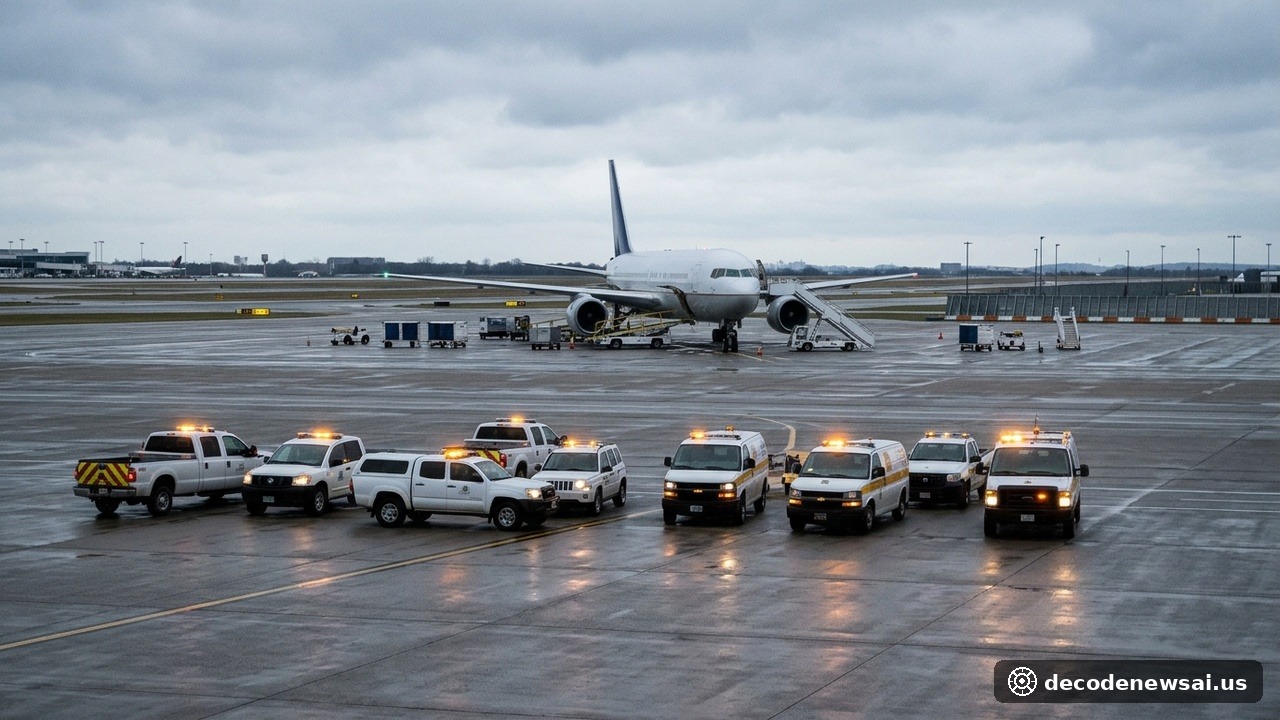
Airlines and authorities across Europe reported another series of bomb threats against passenger flights on November 5. Flights in France, Italy, Bulgaria, the Czech Republic and other countries were diverted, escorted by military aircraft or inspected after landing. The Associated Press and Agence France-Presse reported that more than a dozen flights were affected, although totals vary by source and counting method. Airlines and authorities said the aircraft landed safely and inspections found no explosives or suspicious devices.
An Aer Lingus flight from Dublin to Rome was diverted to the Évreux military air base in France after receiving a threat. The French prime minister’s office said all 151 passengers and six crew members were safely disembarked before specialists examined the aircraft. A Finnair flight from Helsinki to Rome was escorted by the Italian air force. Bulgarian authorities also reported that three aircraft landed in Sofia or Plovdiv after threats.
Airports across several countries activated security procedures
A LOT Polish Airlines flight was inspected after landing in Brussels. Czech police said four flights bound for Prague had received threats; all landed safely and were assessed. Italian airports also introduced temporary security measures for affected flights. Responses differed by country and incident: some aircraft were diverted, while others landed at their planned destinations and underwent checks.
The incidents caused delays, diversions, changes to airport operations and disruption for passengers. Airlines and airport authorities have emphasized that their immediate priority is the safety of aircraft, passengers and crews. Travelers should rely on updates from their airline, airport and local authorities and check for changes to connections or rebooking arrangements.
It is not known whether the incidents are connected
The latest threats followed similar incidents earlier in the week. The UK government previously described some threats as “malicious hoaxes,” but that does not establish that every incident on November 5 had the same source. Reuters reported that European officials have recently expressed concern about hybrid attacks and sabotage, but no government or law-enforcement agency has publicly identified those responsible for the latest threats.
There is currently no public evidence establishing that Russia, Iran or any particular organization organized the incidents. Some security experts have raised the possibility of coordinated activity, but that remains an assessment rather than a confirmed finding. Authorities and aviation-security agencies are investigating where the messages originated, how they were distributed and whether the separate flight incidents are linked.
What passengers should do
Passengers who receive an airline notification should confirm whether their flight has been diverted, delayed or cancelled and use official airline channels to update contact details and travel plans. If a flight makes an unscheduled landing, passengers should follow instructions from crew members and airport security personnel, remain in designated areas and avoid circulating unverified screenshots or flight rumors.
As of the latest public reports, the affected aircraft had landed safely and inspections had found no explosives. Investigations remain ongoing, and authorities have not established whether the incidents are connected or who was responsible. Describing the events as a confirmed terrorist attack or a state-directed operation would go beyond the available evidence.
Sources
- Agence France-Presse: Bomb threats hit European flights for third day
- Reuters: Bomb alerts force flights to land in France, Bulgaria, Belgium
- UPI: Bomb threats against at least 15 flights in Europe disrupts air travel
- The Guardian: Seven planes across Europe searched or diverted after ‘malicious hoax’ bomb threats
- Reuters / Internazionale: Factbox: Bomb threats cause flight disruptions across Europe