Asian Stocks Mostly Rise After Democrats Win Congress, While South Korean Chipmakers Slide
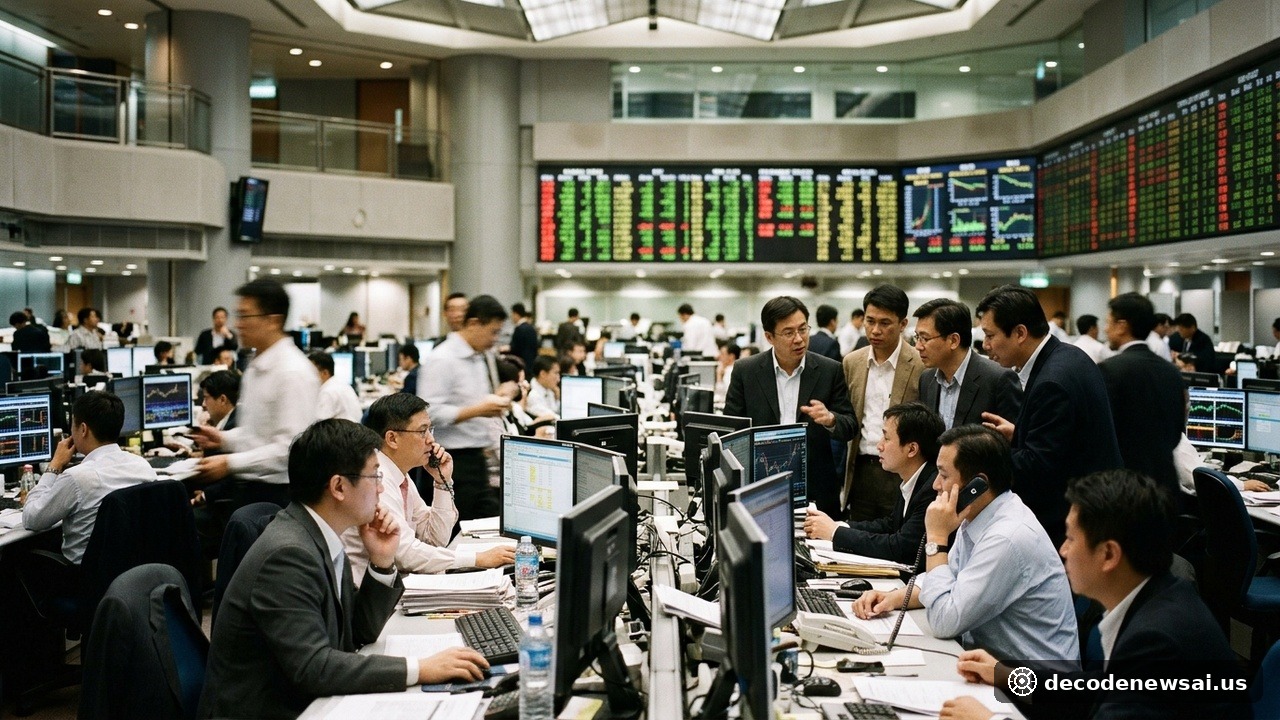
Most Asian stock markets advanced on November 5 after Democrats won control of both chambers of the U.S. Congress. Investors considered whether the result could reduce the risk of an escalation in the U.S.-Iran conflict and limit further fiscal expansion. Bloomberg reported that the MSCI Asia Pacific Index rose about 0.3% to 0.4% in early trading, with Japan and Australia higher. South Korea was the main outlier as semiconductor shares fell. A later Associated Press market snapshot showed the Kospi down about 3.5% after falling more than 4% earlier.
Oil was central to the market reaction. Brent crude fell about 8.7% on November 4 to around $94 a barrel, as traders speculated that a Democratic-controlled Congress could increase pressure on the Trump administration to end the conflict with Iran. Lower energy prices eased some inflation concerns, helping Treasury yields fall and supporting parts of the Asian equity market.
Most Asian markets advance, but South Korean technology stocks fall
The Associated Press reported that Asian shares mostly rose on Thursday, although South Korea’s technology-heavy market weakened. The Kospi fell more than 4% at one point before narrowing its loss to about 3.5%. Samsung Electronics dropped 5.7%, while SK Hynix fell 7.4%. Japan’s Nikkei declined about 0.5%, Taiwan’s Taiex lost around 1.6%, while Hong Kong, Shanghai and Australian shares advanced.
Bloomberg’s earlier market update put the MSCI Asia Pacific Index up about 0.4%, with Japan’s Topix and Australian shares higher. South Korea was the main exception. The figures reflect different market snapshots and timestamps, and intraday moves may change before final closing prices are recorded.
Oil plunges as traders anticipate a possible easing of the Iran conflict
Brent crude fell about 8.7% on November 4 to around $94 a barrel. Reuters reported that prices had dropped below $100 and that Brent was down close to 20% for the week. Senate Democratic Leader Chuck Schumer said he would push to end the Middle East war and suggested that some Republicans could support the effort. Traders responded by reducing expectations that the conflict would continue to disrupt energy supplies.
Lower oil prices helped lift U.S. Treasury prices and push yields lower. The dollar also weakened. Investors considered whether a Democratic-controlled Congress could constrain the Trump administration’s ability to expand the deficit or pursue a more aggressive foreign policy. But no agreement with Iran has been confirmed, and the conflict has not formally ended.
AI and data-center investment face policy uncertainty
The U.S. election also weighed on parts of Asia’s technology sector. Democratic victories in Texas and Georgia raised concerns that the new Congress and state governments could increase scrutiny of AI, data-center construction and energy use. Semiconductor stocks in South Korea and Taiwan were among the weakest areas of the market.
Investors are concerned that new restrictions or permitting delays could slow the expansion of data centers, which have driven demand for advanced chips and server equipment. But analysts cautioned that Democratic control of Congress does not mean AI infrastructure investment will stop immediately. Demand for chips and cloud computing remains strong, while policy changes are more likely to affect project approvals, power arrangements and construction costs in specific regions.
Economic data will matter more than one election session
The reaction in Asia shows investors balancing relief over reduced political uncertainty with new questions about AI regulation and geopolitics. The S&P 500 rose 1.6% on November 4, while the Nasdaq gained 1.4%, helping improve sentiment in parts of Asia. Lower Treasury yields and a weaker dollar also provided support.
The confirmed picture is that most Asian markets advanced on November 5, while South Korean technology shares fell. Brent crude had dropped about 8.7% in the previous session, and the dollar and Treasury yields moved lower. The next direction will depend on U.S. employment and inflation data, developments in Iran, AI data-center policy and corporate earnings. One post-election session does not establish that Asian equities will continue to rise.
Sources
- Bloomberg / Swissinfo: Asian Stocks Rise as Oil Slides After US Election: Markets Wrap
- The Edge Malaysia / Bloomberg: Asian stocks to rise as oil slides after US vote
- The Economic Times / Bloomberg: Global Market Today: Asian stocks rise as oil slides after US midterm elections