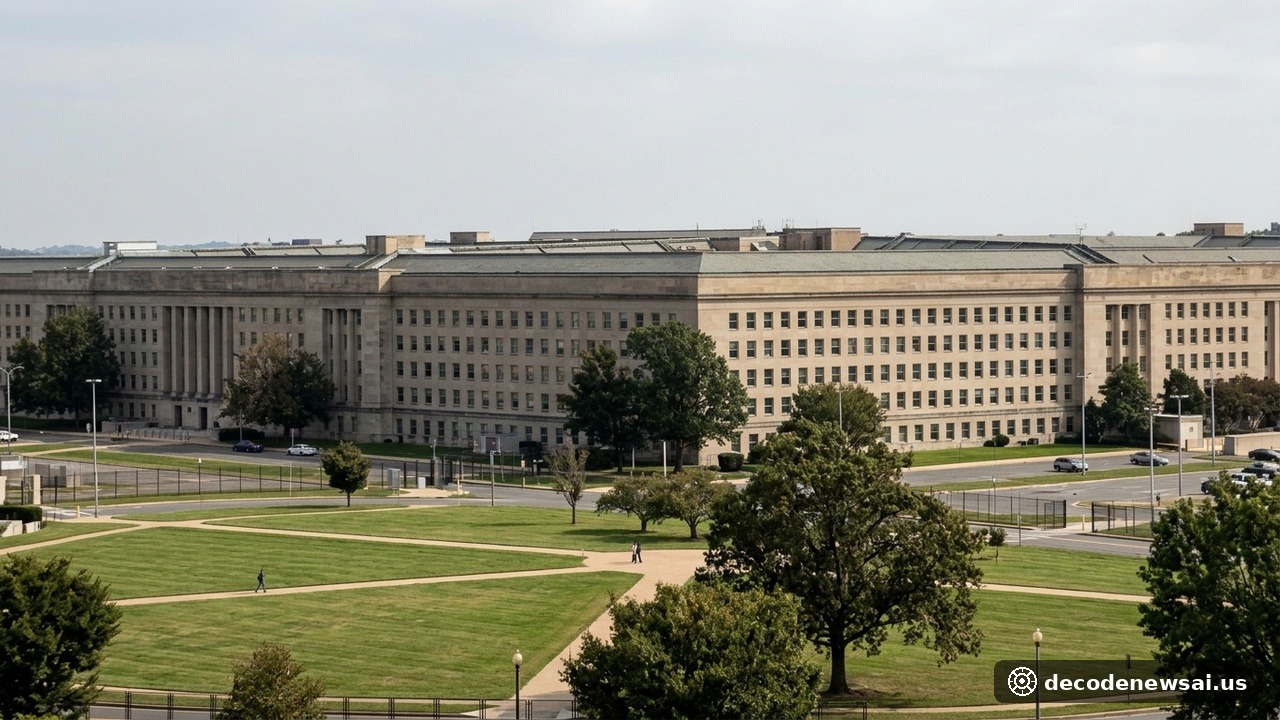
President Donald Trump said on November 4 that Defense Secretary Pete Hegseth was “doing a very good job” and denied that he was considering replacing him. But Democrats’ gains in the 2026 midterm elections give them control of both chambers of Congress, setting up expanded oversight of the Pentagon and the Iran war when the new Congress takes office in January. Hegseth is likely to be a focus of scrutiny, but there is no formal decision indicating that he is about to leave his post.
Democratic lawmakers say possible investigations could examine the decision-making behind the Iran war, U.S. military strikes on suspected drug-smuggling boats, senior military personnel changes and Hegseth’s removal of high-ranking officers. Representative Adam Smith, who is expected to lead the House Armed Services Committee, has said he wants oversight of military operations, the politicization of the armed forces and possible corruption in defense contracting.
Trump backs Hegseth publicly, but questions remain inside the administration
Asked whether he was considering replacing Hegseth, Trump said no and praised his performance. Pentagon spokesperson Sean Parnell also said Hegseth intends to lead the department through the end of Trump’s term and would not be deterred by what the Pentagon describes as partisan investigations.
However, Reuters and The Washington Post have reported that some administration and congressional figures have privately discussed Hegseth’s future. Trump has sought feedback from Republicans close to the White House about how they view the defense secretary’s performance. Such discussions do not amount to a decision to dismiss him; Trump’s public position remains supportive.
Hegseth has also been mentioned as a possible candidate to fill the Tennessee Senate seat that could become vacant after Senator Marsha Blackburn won the state’s gubernatorial election. Trump said Hegseth could be popular in the Senate but added that he had not heard of any active plan. Blackburn has not publicly confirmed a successor.
Democrats could use subpoena powers to investigate the Pentagon
With control of congressional committees, Democrats can request government documents, hold hearings and subpoena witnesses. Potential areas of scrutiny include the legal basis for the Iran war, the cost of military operations, changes to senior military leadership and U.S. strikes on suspected drug-trafficking vessels in Latin American waters. Lawmakers may also examine Pentagon procurement contracts and changes to military policies.
Hegseth has faced criticism from members of both parties. Republican Representative Thomas Massie filed articles of impeachment earlier this year, accusing Hegseth of initiating hostilities against Iran without congressional authorization. Those allegations remain a political and legal dispute; they should not be described as a court-established finding of illegality. Any impeachment effort would also depend on votes in the House and subsequent proceedings in the Senate.
Oversight competes with the Democrats’ policy agenda
Democrats have promised stronger oversight, but they also face pressure to address voters’ concerns about living costs, energy prices and defense spending. Some Democrats have said investigations should not displace their economic agenda. Republicans still control the presidency, and Trump retains veto power, making policy gridlock more likely during the next two years.
The pressure on Hegseth will depend on which investigations Democrats pursue, whether they can obtain documents and testimony, and how the White House responds. What is established now is that Trump has publicly backed Hegseth and Democrats intend to expand oversight. Impeachment, dismissal or a move to the Senate remain possibilities, not confirmed outcomes.