SpaceX Signs Multiyear Qualcomm Deal, Moving Starlink Mobile Closer to a Nationwide U.S. 5G Network
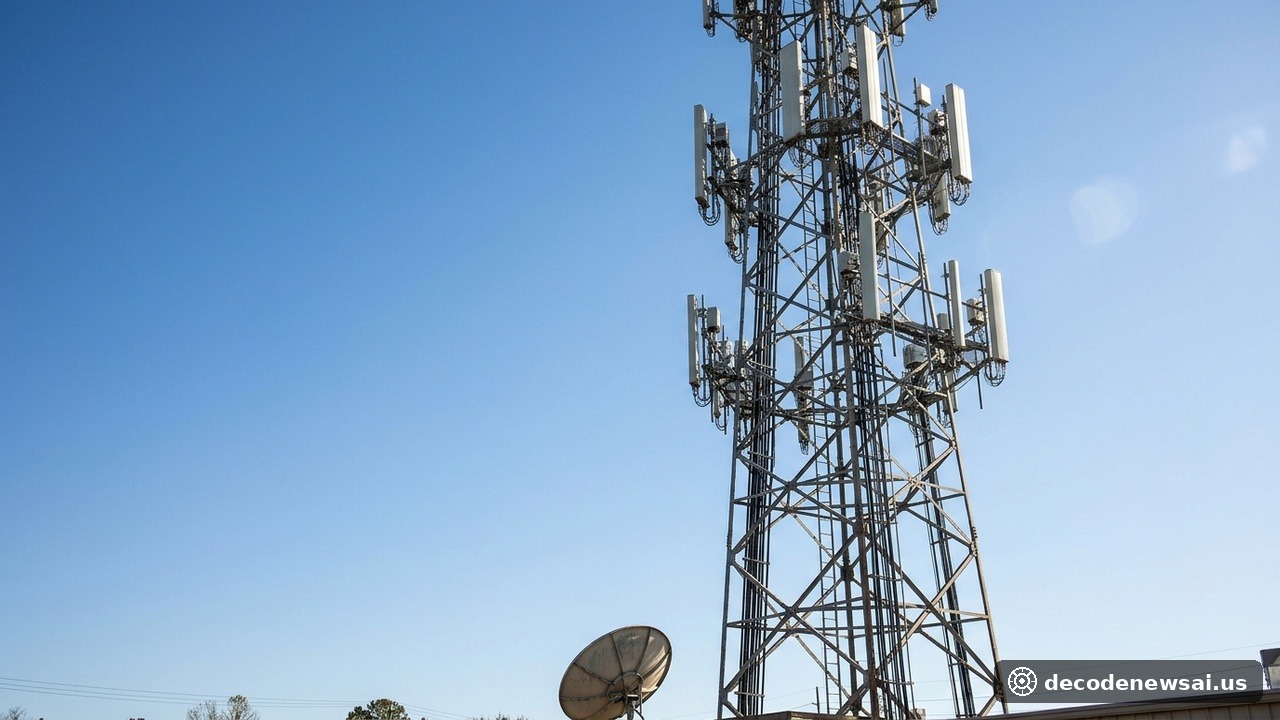
SpaceX has selected Qualcomm to supply radio equipment, baseband platforms and software for Starlink Mobile’s planned nationwide terrestrial 5G network in the United States. The companies announced a multiyear agreement on November 4, with deployment expected to begin in 2027 and eventually cover tens of thousands of cellular sites. Qualcomm described the agreement as its largest 5G infrastructure deal to date, although the companies did not disclose financial terms.
The partnership moves Elon Musk’s satellite business further into the conventional mobile communications market. Starlink Mobile plans to combine satellite-to-phone connectivity with a ground-based 5G network, positioning itself to challenge AT&T, Verizon and T-Mobile. But signing an equipment agreement does not mean a nationwide network has been built, or that consumers can immediately switch to a new carrier.
Qualcomm will supply radio and baseband technology
Under the agreement, Qualcomm will provide its Dragonwing QRU100 radio platform, QDU100 distributed-unit platform and commercial-grade Layer 1 software. The equipment will support Starlink Mobile’s terrestrial base stations. The network is designed to use Massive MIMO radio units with 64 transmit and 64 receive paths, known as 64T64R, to improve coverage, capacity and spectral efficiency.
Qualcomm executive vice president Durga Malladi said the partnership will begin with 5G and could help lay the foundation for AI-native 6G infrastructure in the future. SpaceX will be responsible for other layers of the network, system integration and the overall deployment. Qualcomm is supplying key radio and baseband components; it is not building every tower or operating the entire mobile network on SpaceX’s behalf.
The deal also expands Qualcomm’s role beyond the smartphone processors and connectivity chips for which it is best known. It will compete more directly in telecom infrastructure with suppliers such as Marvell, Broadcom and Intel.
Deployment across tens of thousands of sites is expected in 2027
Qualcomm said the multiyear agreement covers equipment for tens of thousands of macro-cell sites across the United States. Deployment is expected to start in 2027 and ramp up over several years. The terrestrial network will work alongside Starlink’s satellite-to-phone system, with the aim of improving connectivity in areas where traditional mobile coverage is weak and adding capacity in more populated locations.
Reuters reported that Qualcomm did not disclose the financial terms of the agreement, but described it as the largest 5G deal in the company’s history. The company said its platforms are designed to support a flexible, multiband network that can be deployed in stages. The initial focus is terrestrial 5G, while the architecture is intended to accommodate future developments in connectivity and network intelligence.
Challenging the major U.S. carriers will take more than equipment
SpaceX wants Starlink Mobile to become a nationwide wireless provider capable of competing with AT&T, Verizon and T-Mobile. The company already has a satellite network, launch capabilities and spectrum assets, and has explored other ways to enter the retail mobile market, including talks involving Boost Mobile. The Qualcomm agreement is a concrete step toward building a ground network, but it does not resolve the commercial and regulatory challenges.
Axios cited an industry analyst who estimated that building a combined satellite and terrestrial wireless network could require at least $100 billion in investment, including spectrum costs. SpaceX will also need site approvals, towers or leases, network interconnection and the operational systems required to sell mobile service. Those include billing, customer support, distribution and retail channels.
Even after the network is deployed, attracting customers from the established carriers will be difficult. AT&T, Verizon and T-Mobile have extensive coverage, existing subscribers and decades of operating experience. SpaceX will need to demonstrate reliable service in buildings, stadiums, airports and other locations where a satellite connection alone may not be sufficient.
Consumer launch date and costs remain undisclosed
The confirmed details are that Qualcomm will supply Dragonwing infrastructure platforms and software, SpaceX plans to begin U.S. deployment in 2027, and the agreement covers a multiyear rollout across tens of thousands of sites. The companies have not disclosed the contract value, total construction cost, consumer launch date, plan pricing or the first cities expected to receive service.
The agreement is therefore an important step in Starlink Mobile’s move from satellite connectivity toward a nationwide terrestrial 5G network. It does not mean SpaceX has already become the fourth major U.S. wireless carrier. Whether it can become a true nationwide competitor will depend on deployment speed, spectrum and regulatory approvals, network coverage, service quality and consumers’ willingness to switch.
Sources
- Qualcomm: SpaceX Selects Qualcomm to Accelerate Starlink Mobile’s Nationwide 5G Network
- Reuters: Qualcomm signs major 5G infrastructure deal with SpaceX for Starlink Mobile network
- The Verge: SpaceX is working with Qualcomm to build its Starlink Mobile 5G network
- Data Center Dynamics: Qualcomm signs 5G infrastructure agreement with SpaceX for Starlink Mobile's nationwide network in US
- Channel News Asia: Qualcomm signs major 5G infrastructure deal with SpaceX for Starlink Mobile network