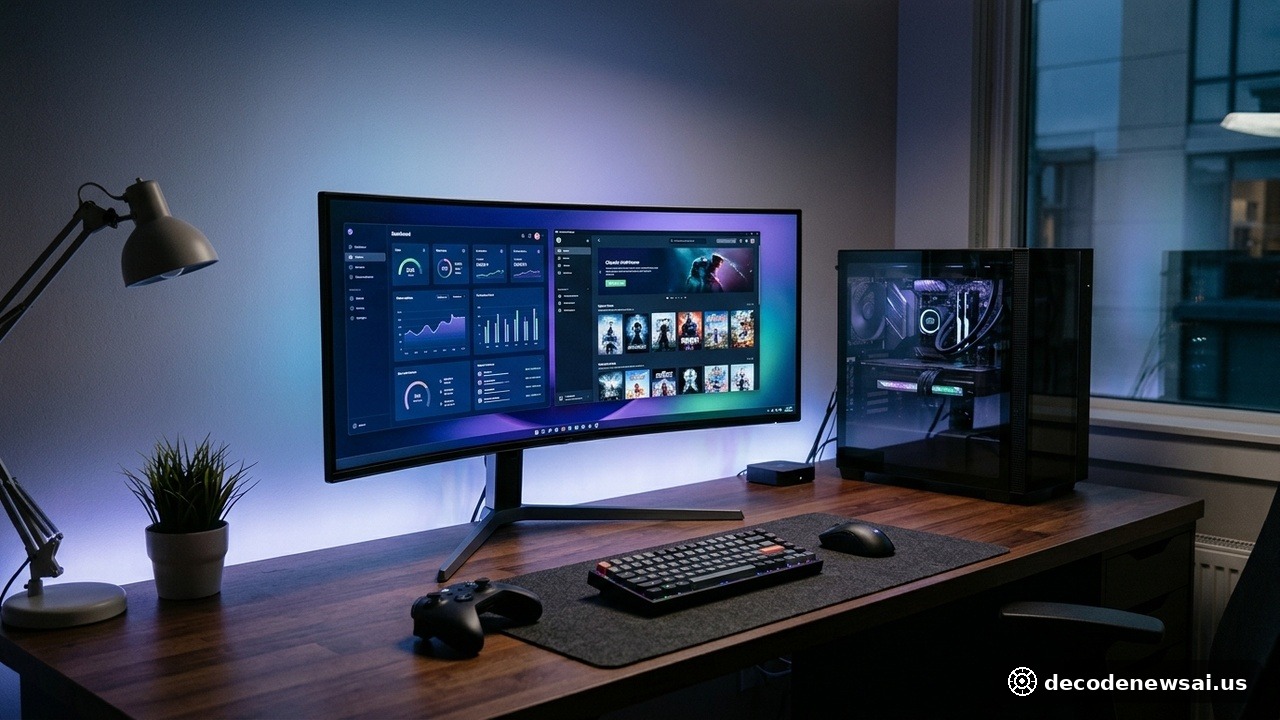
Microsoft officially introduced an extensive architectural overhaul of its Xbox gaming applications across PC, web, and cloud platforms on Thursday, November 5, 2026. Designed to address long-standing user complaints regarding interface sluggishness, high background resource utilization, and cumbersome library browsing, the redesigned Xbox PC application delivers significant speed enhancements, a modernized library interface, and deeply integrated social functionality. The updated software has officially entered public testing for participants enrolled in the Xbox Insider preview program, marking one of the most substantial consumer-facing software refreshes for Microsoft's gaming division in recent years.
The comprehensive software update reflects Microsoft's broader strategic emphasis on seamless cross-platform game delivery. As modern gamers increasingly shift between high-powered desktop workstations, compact portable handhelds, television displays, and cloud streaming interfaces, Microsoft has re-engineered its core software stack to ensure rapid, consistent, and responsive access to gaming content regardless of the underlying operating environment.
Engineering Architecture Overhaul Delivers Major Speed Improvements
The defining objective of the overhauled Xbox PC application is raw performance and system responsiveness. According to detailed benchmarking metrics released by Jason Beaumont, Vice President of Xbox Experiences, the re-engineered application achieves a cold launch speed improvement of up to 60% compared to previous desktop builds. This dramatic reduction in initialization overhead ensures that players can transition from their Windows desktops into gaming sessions without experiencing the frustrating latency and unresponsive input that previously plagued the client on lower-powered hardware configurations and mobile gaming handhelds.
Performance optimizations extend well beyond the initial boot sequence into everyday navigation across the client's internal storefronts and content directories. Beaumont confirmed that primary application hubs, including the Home tab, the Microsoft Store marketplace, and the Xbox Game Pass subscription catalog, now load up to 50% faster. Furthermore, contextual UI layers, overlay panels, achievement trackers, and in-app sub-menus open up to 65% faster. Technology journalists who evaluated early development builds over several weeks noted that the user experience feels distinctly lighter and noticeably more fluid, emphasizing that navigation with a paired wireless game controller now flows effortlessly without the hitching and sluggish cursor snapping that characterized earlier software versions.
Redesigned Game Library and Streamlined Social Integration
Beyond core performance milestones, Microsoft has completely redesigned the organizational architecture of the digital game library. The refreshed Library interface eliminates convoluted nested directories in favor of a clean, horizontal and vertical grid structure supported by customizable multi-tiered filters. Players can quickly sort, categorize, and group their locally installed game packages, standalone downloadable content add-ons, digital purchases, and cloud-enabled catalog entries. This refined taxonomy drastically reduces browsing friction for dedicated players who maintain dozens of installed titles across multi-terabyte internal and external solid-state drives.
Community connectivity and social interactions have simultaneously received a prominent promotion within the application hierarchy. Rather than relegating social capabilities to obscure secondary menus or auxiliary background widgets, Microsoft has woven friends lists, activity status feeds, and party management tools directly into the primary sidebar navigation. Users can immediately identify which titles their mutual friends are playing in real time, launch direct text messages, or initiate multi-user voice parties with a single click. The client's global search engine has also undergone a foundational rebuild, now indexing locally installed software, available store add-ons, and Xbox network community members simultaneously within a unified, responsive search results panel.
Cloud Gaming Interface Expansion and Direct Wi-Fi Controller Technology
The rollout of the desktop PC software coincides with a coordinated redesign of the Xbox Cloud Gaming interface. Microsoft announced that an overhauled cloud streaming layout will begin deploying over the coming weeks across web browsers, compatible smart television applications, and virtual reality headsets. This synchronized visual refresh ensures that cloud gamers receive an intuitive, console-like dashboard experience across any connected screen without requiring localized processing power or dedicated rendering hardware.
Hardware developments closely complement these platform software enhancements. On November 4, Microsoft officially launched its compact, portable Xbox Nano controller in the United States retail market. Independent technical teardowns and hands-on testing immediately revealed an unannounced high-performance feature: the miniature gamepad houses integrated Wi-Fi hardware capable of establishing a direct wireless uplink to Microsoft cloud server infrastructure. This architecture directly mirrors the low-latency approach originally developed by Google for its Stadia streaming platform, bypassing traditional Bluetooth host translation layers to sharply reduce wireless input lag.
According to reporting from Engadget, setup of the Wi-Fi connection requires users to configure the controller via either the Xbox beta app on Android mobile devices or through the Xbox Accessories utility on Windows PCs, with enrollment in the Xbox Insider program necessary for PC users. Currently, direct Wi-Fi controller functionality is operational for cloud streaming sessions initiated on supported smart televisions and web browsers, with expanded hardware platform availability planned as the preview progresses over the coming months.