Key Industrial Metrics: Airbus October Performance and Cumulative Deliveries
- Cumulative 2026 Commercial Deliveries: 621 Aircraft (560 Single-Aisle Airframes)
- October Monthly Gross Orders & Net Additions: 202 Gross Orders (200 Net Order Additions)
- Primary October Delivery Volume by Model: 39 A321neo & 15 A320neo Handed Over
- Cumulative Net Order Book Intake for 2026: 1,305 Net Orders (1,376 Gross less 71 Cancels)
How Did 74 October Deliveries Cement Airbus's Lead Over Boeing?
What Assembly and Engine Bottlenecks Threaten the 870 Delivery Goal?
Despite positive ten-month metrics, fulfilling the full-year target of approximately 870 deliveries requires executing 249 completed customer handovers across November and December. This operational requirement demands a throughput rate averaging nearly 125 aircraft per month—an industrial tempo rarely sustained in commercial aviation history.
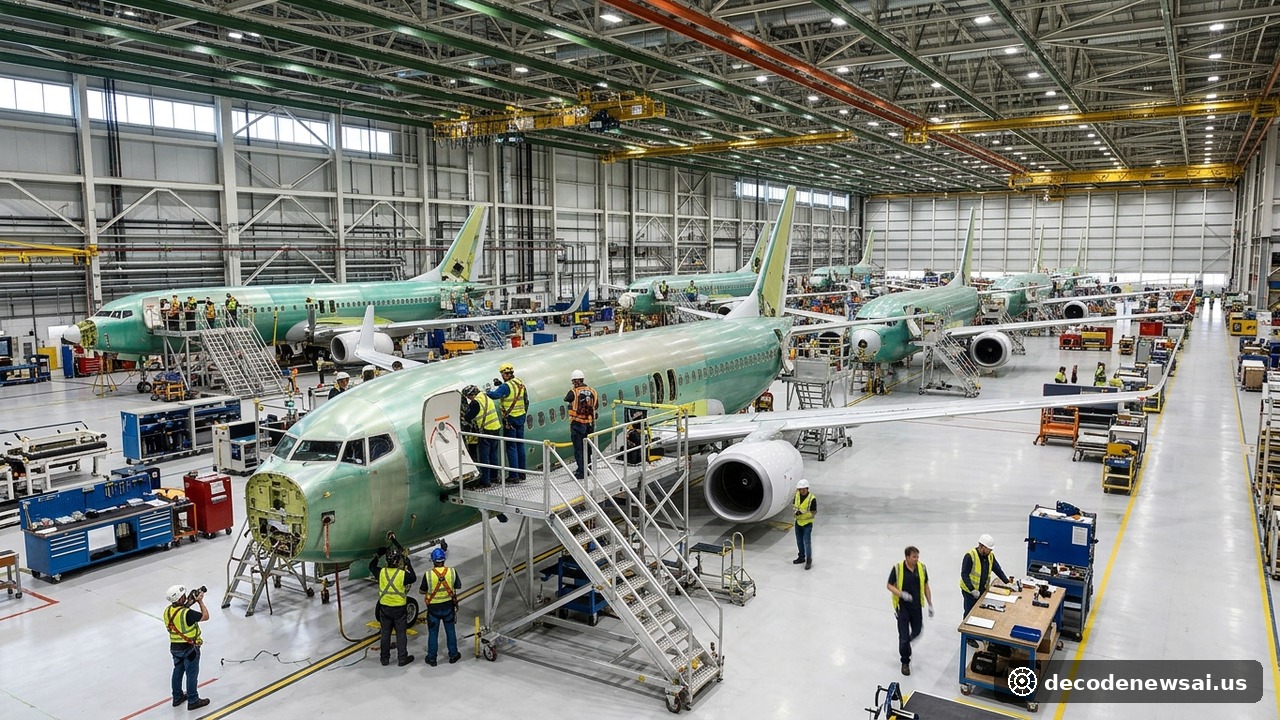
Airbus Chief Executive Officer Guillaume Faury acknowledged that ongoing delivery delays from engine consortia, specifically CFM International (LEAP-1A) and Pratt & Whitney (PW1100G-JM), remain the principal operational constraint impacting final assembly halls in Toulouse, Hamburg, Mobile, and Tianjin. High-pressure turbine forgings and structural casting shortages continue to introduce assembly frictions. To maintain production stability, Airbus has deployed embedded engineering task forces to tier-one supplier facilities and maintained strategic buffer inventories of critical flight hardware to minimize unfinished glider airframes.
Where Is Global Commercial Fleet Replacement Heading Into 2027?
Airbus's intake of 1,305 net orders throughout 2026 highlights the ongoing multi-year airline investment cycle prioritizing fuel-efficient, next-generation single-aisle airframes. Pressured by volatile aviation jet fuel pricing and International Civil Aviation Organization (ICAO) carbon abatement targets, global flag carriers are systematically phasing out aging previous-generation fleets.
Aviation economists observe that commercial aircraft manufacturing remains a capital-intensive, multi-year duopoly. With Airbus's order backlog now extending past 2030 across core narrowbody variants, the European consortium is capitalizing on Boeing's capital expenditure constraints to fortify its industrial market share. Supported by a multinational production footprint spanning Europe, North America, and Asia, Airbus continues to dictate the cadence of commercial airliner production into the late 2020s.