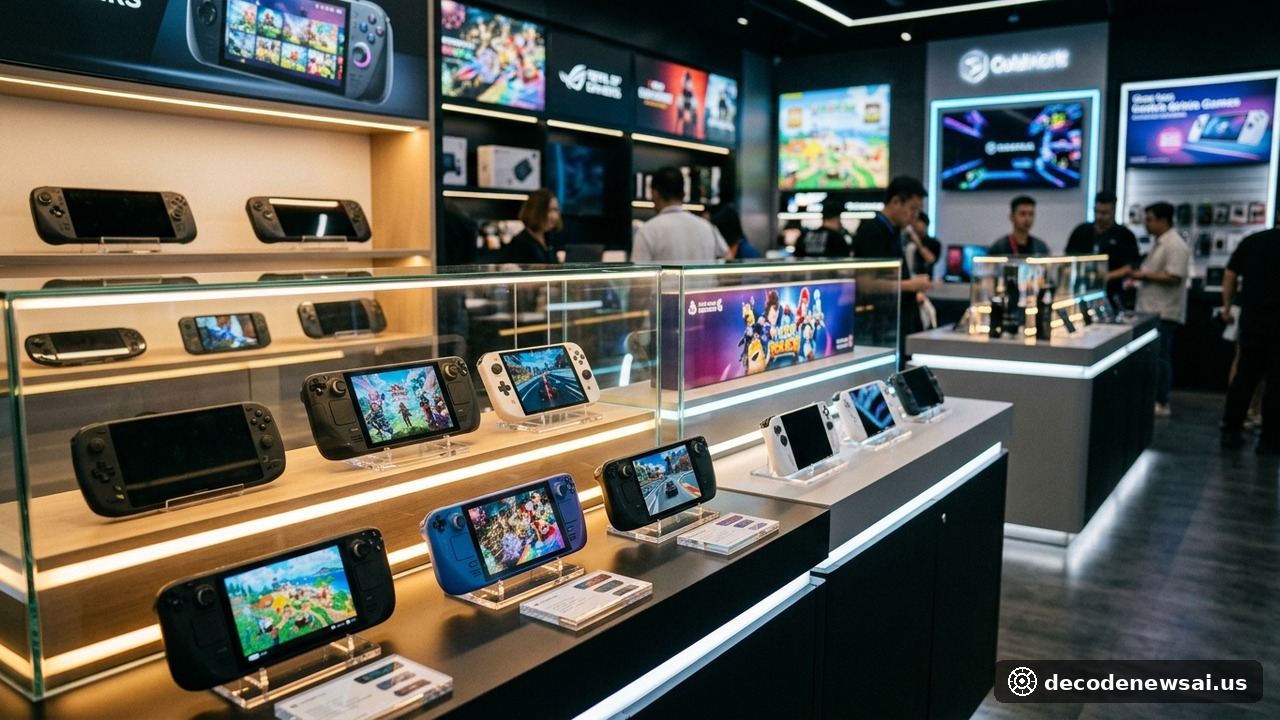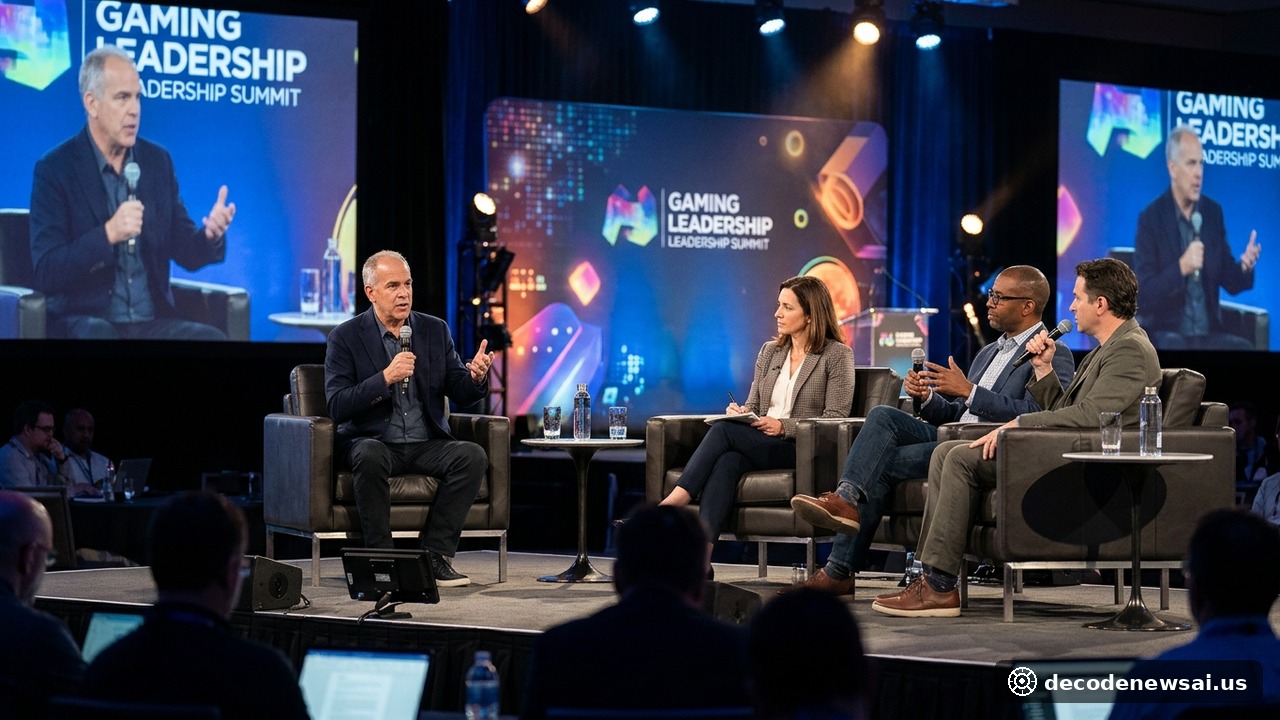
Nintendo of America President Doug Bowser reiterated Nintendo's steadfast commitment to closed hardware ecosystems during an executive leadership panel on November 8. Speaking alongside former Sony Interactive Entertainment executive Shawn Layden and former Xbox leader Peter Moore, Bowser confirmed that Nintendo sees zero commercial justification for porting proprietary first-party intellectual property to rival platforms or PC storefronts. Nintendo preserves strict hardware exclusivity. Dedicated device integration anchors corporate strategy. The Kyoto-based publisher rejects industry-wide multiplatform publishing shifts.
Switch 2 Hits 26.35 Million Units Sold
During the panel discussion, Bowser detailed Nintendo's foundational approach to product design and cost optimization. He explained that Nintendo's software developers work alongside proprietary hardware engineering architects from initial prototyping phases. Deep internal alignment enables software developers to maximize platform performance while managing production budgets effectively. Nintendo's targeted development expenses diverge sharply from ballooning production budgets characteristic of Western third-party blockbusters.
Nintendo of America President Doug Bowser emphasized during the executive industry summit: "For Nintendo, the strategic calculation has always remained fundamentally distinct. Our software teams collaborate directly with hardware architects, allowing developers to optimize games for maximum performance at manageable costs. We seek to build a cohesive Nintendo gaming ecosystem where players enjoy dedicated content. We feel no necessity to deploy our intellectual properties across external hardware platforms."
Recent corporate financial filings confirm that Nintendo's next-generation Switch 2 console achieved 26.35 million units in cumulative global sell-through. Across equivalent post-launch release intervals, the current hardware footprint outpaces the original Switch by six million units. Despite broader macroeconomic friction across consumer hardware sectors, Nintendo's console ecosystem demonstrates enduring consumer demand. Software exclusivity protects brand equity. Hardware-software integration shields Nintendo from retail dependency on external distribution platforms.
Analysts Contrast Nintendo With Microsoft and Sony
Video game industry analysts observed that Microsoft's expansion of marquee titles onto PlayStation and Switch stems from domestic console market share compression. Sony Interactive Entertainment simultaneously relies on delayed PC releases to subsidize escalation in single-player production overhead. Conversely, Nintendo maintains sovereign control across consumer hardware manufacturing, cartridge fabrication, and digital storefront monetization. Business models diverge fundamentally. Preserving an integrated proprietary ecosystem insulates corporate margins from external platform commission fees.
Game development consultants highlighted that optimizing software across multiple operating environments disperses engineering focus. Focusing engineering resources strictly on fixed hardware baselines allows creative teams to concentrate on innovative gameplay mechanics and distinctive artistic direction. Exclusive franchises cultivate enduring appeal. Flagship series such as The Legend of Zelda and Super Mario achieve distinct creative identities through bespoke controller integration.
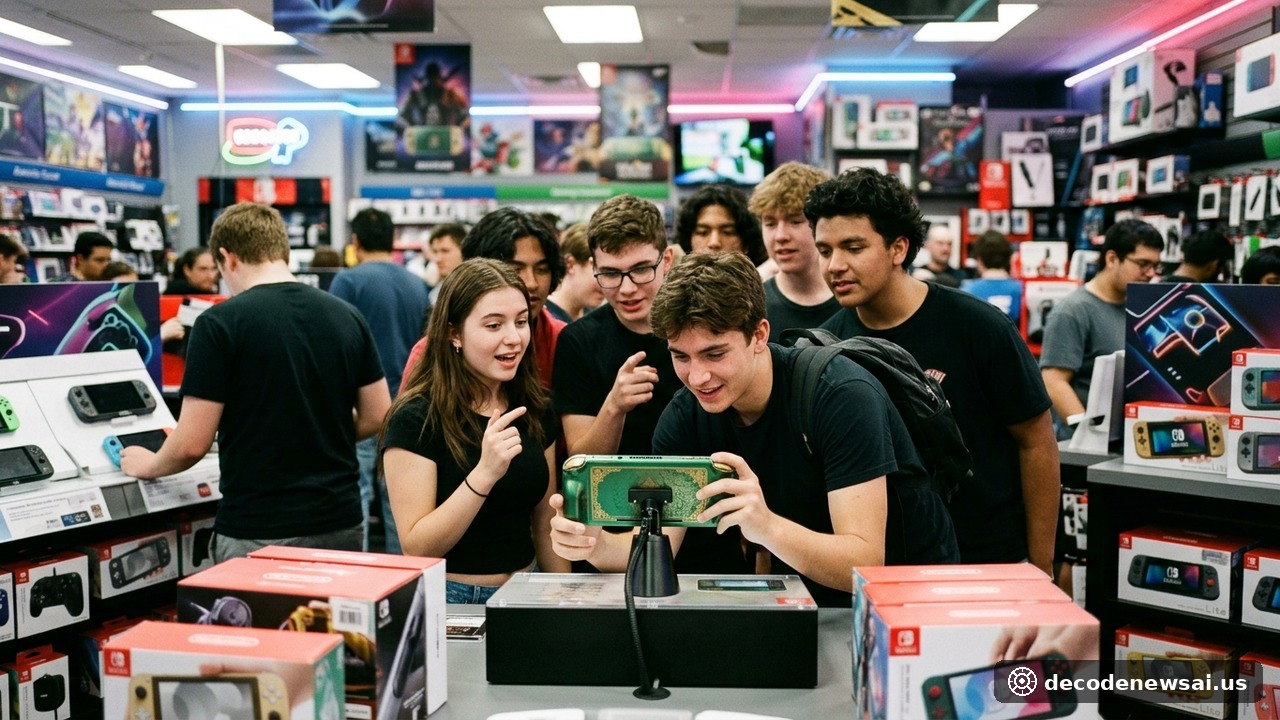
Global retail operators and digital distribution partners welcomed Bowser's definitive strategic clarity. Retail merchandising directors noted that platform-exclusive software titles serve as the primary catalyst motivating console hardware adoption during competitive holiday shopping windows. Hardware momentum drives consumer engagement across licensed merchandise. Nintendo's extensive catalog of proprietary intellectual property establishes robust commercial positioning entering the critical Black Friday shopping season.
Nintendo Margins Exceed Thirty Percent on Exclusives
Interactive entertainment production consultants highlighted that cross-platform game development forces compromises across input responsiveness, user interfaces, and rendering pipelines. Unifying bespoke software with custom hardware allows Nintendo developers to craft unique handheld tactile experiences that reinforce brand loyalty. Hardware ecosystems remain highly defensible. Tailored interactive gameplay cannot be easily replicated across generic computing hardware platforms.
Financial institutions in Tokyo and New York maintain positive investment ratings regarding Nintendo's closed-ecosystem strategy. While competing publishers face rising customer acquisition overheads, Nintendo generates resilient operating margins exceeding thirty percent through iconic first-party software franchises. Corporate balance sheets remain remarkably robust. Substantial cash reserves provide strategic flexibility as the company executes its multi-year console hardware roadmap.
Industry analysts emphasized that Nintendo's enduring commitment to dedicated hardware-software integration preserves high-margin profitability while maintaining uncompromised creative freedom. Developing bespoke entertainment experiences on proprietary hardware will continue to anchor the company's competitive advantage across the global video game landscape.
Nintendo to Keep Funding Internal Studios and Partners
Nintendo executive management confirmed plans to sustain capital investments into wholly owned internal development studios and second-party creative partners. Production pipelines are advancing unannounced first-party software productions scheduled across upcoming fiscal periods. Commercial pipelines remain well stocked. Maintaining rigorous synergy between proprietary hardware architecture and dedicated creative software will continue guiding Nintendo's distinctive market leadership throughout global interactive entertainment.