SAN MATEO, Calif. — Sony Interactive Entertainment has restored prominent "PlayStation Exclusive" promotional badges across its official digital storefronts, marking a decisive retreat from simultaneous PC game releases for prestige single-player titles. The reintroduction of the classic branding signals a renewed focus on defending hardware margins. Recent financial disclosures show cumulative PlayStation 5 console shipments reaching 97.9 million units worldwide. Storefront Badges Signal Strategic Exclusivity Revival Industry watchers detected the interface changes across Sony's North American digital portals over the weekend. The storefront branding was updated. Promotional entries for forthcoming flagship releases, including Sucker Punch Productions' Ghost of Yotei and Until Dawn 2, now prominently feature a blue badge reading "PlayStation Exclusive*."
PS5 Hits 97.9 Million as PC Porting Falters
The branding revives the legacy of the prominent "Only On PlayStation" seal widely used during the PlayStation 4 era. The iconic seal has returned. Sony gradually de-emphasized platform-exclusive tags over recent years as former leadership pursued aggressive PC porting initiatives to monetize established intellectual property across Steam and the Epic Games Store.
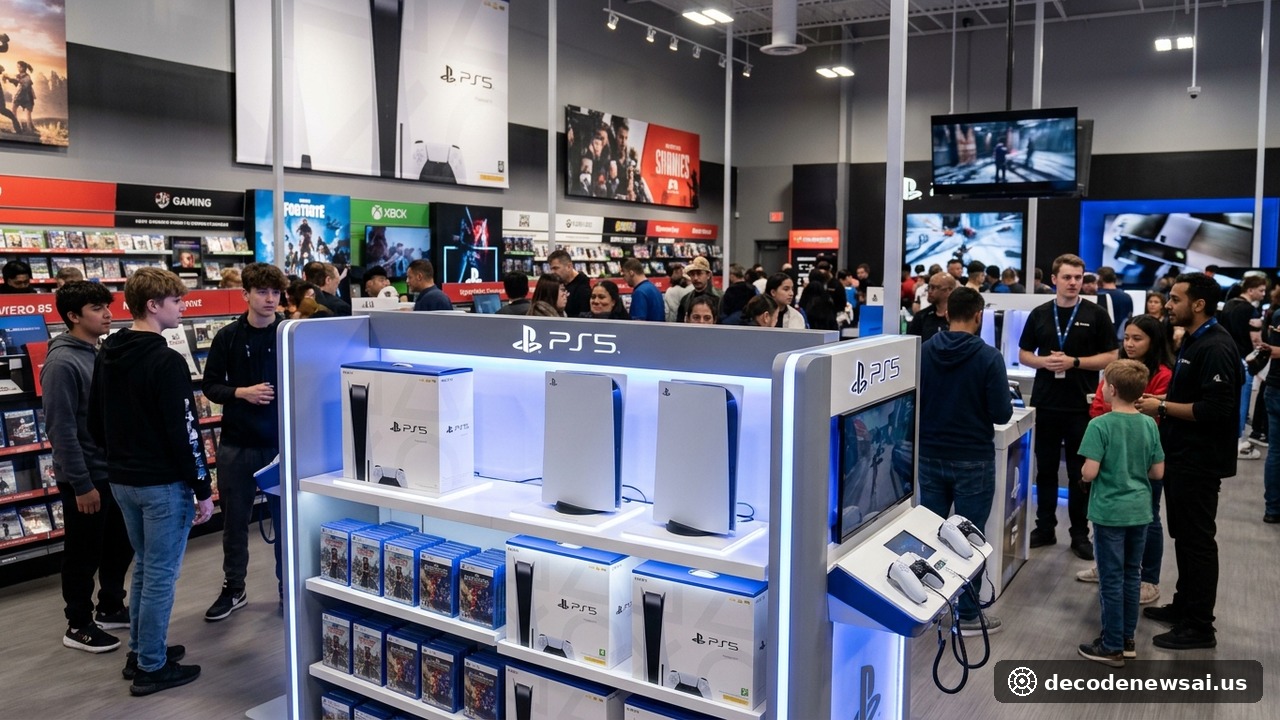
The appearance of the badge aligns with broader strategic recalibrations within Sony's game division. The tactical shift is deliberate. Internal store database updates previously eliminated references to anticipated PC release windows. Industry reporting confirms Sony is actively prioritizing console exclusivity for narrative-driven blockbusters. Hardware Milestones and Underwhelming PC Ecosystem Conversion Sony's earnings release for the second quarter of fiscal year 2026 provided commercial justification for the policy reversal. Balance sheet metrics remain solid. Through September 30, 2026, lifetime shipments of the PlayStation 5 reached 97.9 million consoles, positioning the system to cross the 100-million-unit benchmark ahead of the holiday quarter.
Quarterly hardware deliveries stood at 2.6 million units, contracting from 4.0 million in the identical period last year. Console hardware sales are decelerating. However, software sales demonstrated resilience, rising to 88.2 million units from 80.3 million a year earlier. Software monetization remains healthy. Sony confirmed that Insomniac Games' Marvel's Wolverine achieved global sell-in of 2.4 million copies across its initial 50 days on sale, reaffirming the commercial pull of single-player franchise releases.
Nishino Splits Single-Player and Live-Service Releases
Independent commercial telemetry compiled by market intelligence firm Alinea underscored the structural limitations of Sony's PC expansion. Player conversion proved stubbornly weak. Alinea's platform tracking showed that only 13 percent of Steam players who purchased the PC release of God of War subsequently bought PlayStation hardware or its console-bound sequel. The lack of ecosystem conversion prompted executive reappraisal. Bifurcated Release Strategy for Single-Player and Live-Service Portfolios Addressing the company's platform philosophy, PlayStation Chief Executive Officer Hideaki Nishino outlined the structural division between game categories. Executive directives are explicit. Nishino affirmed that single-player narrative titles will focus primarily on enhancing the standalone value proposition of PlayStation hardware, while live-service titles will maintain simultaneous day-and-date launches across both console and PC ecosystems.
Sony's corporate leadership recognizes that offering single-player blockbusters day-and-date on personal computers compromises the fundamental commercial rationale for owning console hardware. The hardware anchor remains vital. Exclusive software drives hardware purchases and locks consumers into high-margin platform subscriptions.
Industry analysts conclude that the restored exclusive badge establishes clear platform boundaries for players and developers alike. Tactical priorities have shifted back. As the PS5 generation enters its mature commercial phase, Sony is willingly foregoing incremental PC software licensing revenue to protect the long-term integrity of its proprietary hardware ecosystem. Cross-Platform Commercial Realities Across Hardware Life Cycles The shift underscores a broader reassessment across the console manufacturing landscape regarding the viability of aggressive multi-platform distribution. Platform margins remain paramount. While competitors have embraced ubiquitous multi-device ecosystems with subscription-first monetization, Sony's underlying business model remains tightly coupled to proprietary hardware sales, physical software distribution, and network service fees.
Sony Renews Platform Boundary for Next Generation
By re-establishing clear exclusivity for single-player tentpole games, Sony seeks to insulate its core hardware base from subscriber attrition and hardware obsolescence. The platform boundary is renewed. With next-generation platform development already on the horizon, maintaining an indispensable software library ensures that PlayStation hardware retains its status as an essential consumer gaming platform for high-budget interactive entertainment.