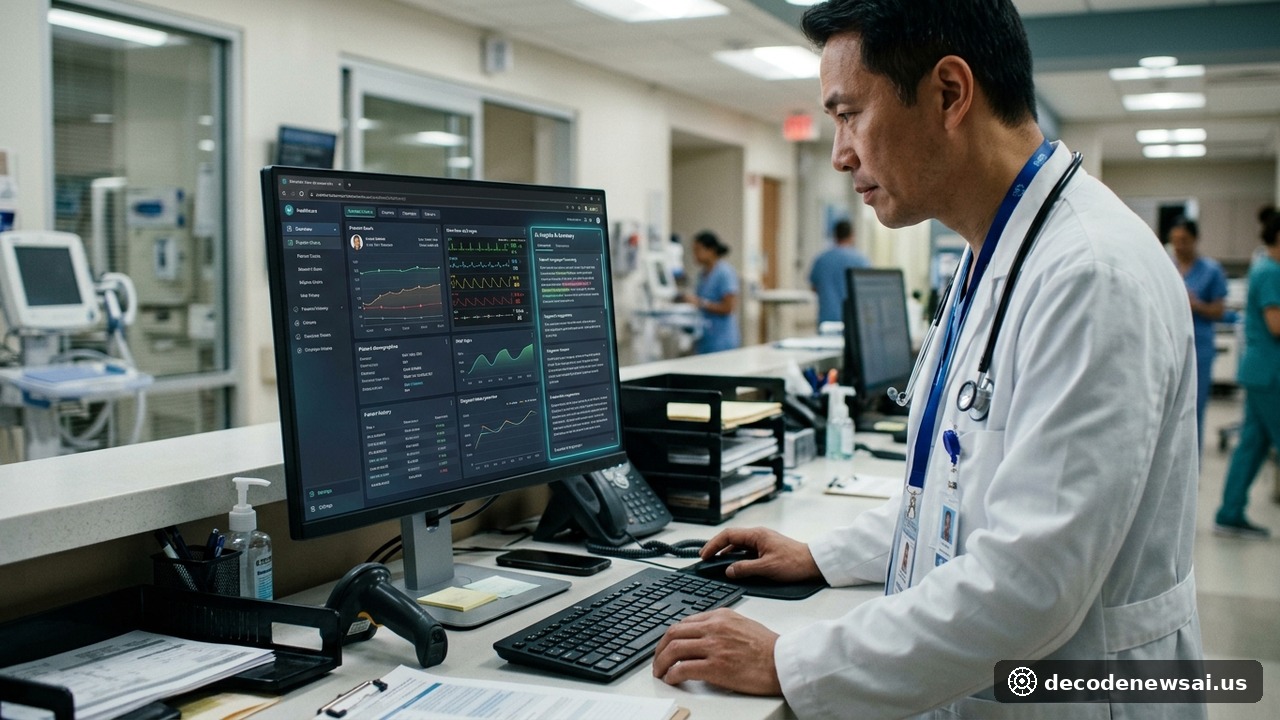
Google Cloud launched its dedicated clinical AI solution, Gemini for Healthcare, on November 10, 2026. The launch took place at a technical keynote at its headquarters in Sunnyvale, California. The suite targets academic health systems, clinical labs, and pharmaceutical research organizations. It puts deep multimodal reasoning into routine diagnostic workflows.
Gemini for Healthcare links FHIR and DICOM clinical records
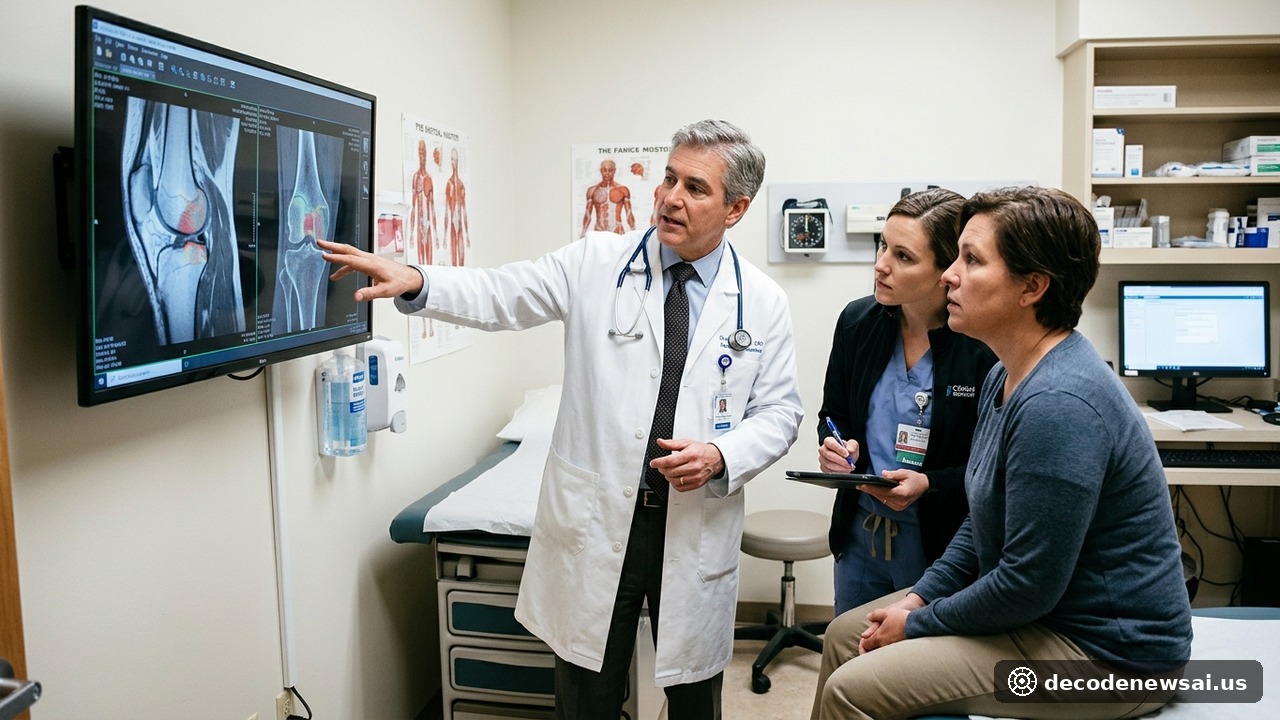
The platform connects clinical text records with high-resolution radiological imaging. That link aims to speed diagnostic throughput. Strict regulatory compliance stays in place throughout.
Specialized healthcare foundation models mark a shift from general-purpose generative AI. The move points toward specialized domain applications.
Gemini for Healthcare is compatible with FHIR and DICOM. Those are established international healthcare data standards. Google Cloud healthcare leadership outlined the enterprise roadmap. They stated: "Integrating multimodal clinical intelligence directly into everyday electronic health records is indispensable for modernizing hospital workflows. This platform empowers multidisciplinary care teams to synthesize complex clinical histories rapidly while upholding the most stringent standards of patient privacy."
The platform uses expanded context processing windows. Attending physicians can query decades of fragmented electronic health records in seconds. It automatically surfaces subtle longitudinal changes in biomarker trajectories. It also flags potential contraindications.
Pilots show 65% reduction in documentation time
Google Cloud built data isolation safeguards for HIPAA compliance. All patient health telemetry is processed within dedicated sovereign tenant boundaries. Contracts guarantee proprietary clinical data is never used to train public foundation models.
Tertiary medical centers in validation pilots reported a 65% average reduction in documentation time. That covers clinical discharge summaries and diagnostic cross-referencing. Clinical informatics directors said grounding multimodal generative reasoning in peer-reviewed medical ontologies cuts hallucination risks in complex patient triage. Google Cloud confirmed commercial deployment begins immediately across licensed health systems in North America and Western Europe.
The commercial rollout points toward standardized, interoperable AI platforms. These are engineered for heavily regulated clinical environments. Direct compatibility with open healthcare data standards removes decades-old bottlenecks. Those bottlenecks had blocked automated cross-referencing between proprietary electronic medical record systems and picture archiving communications networks.
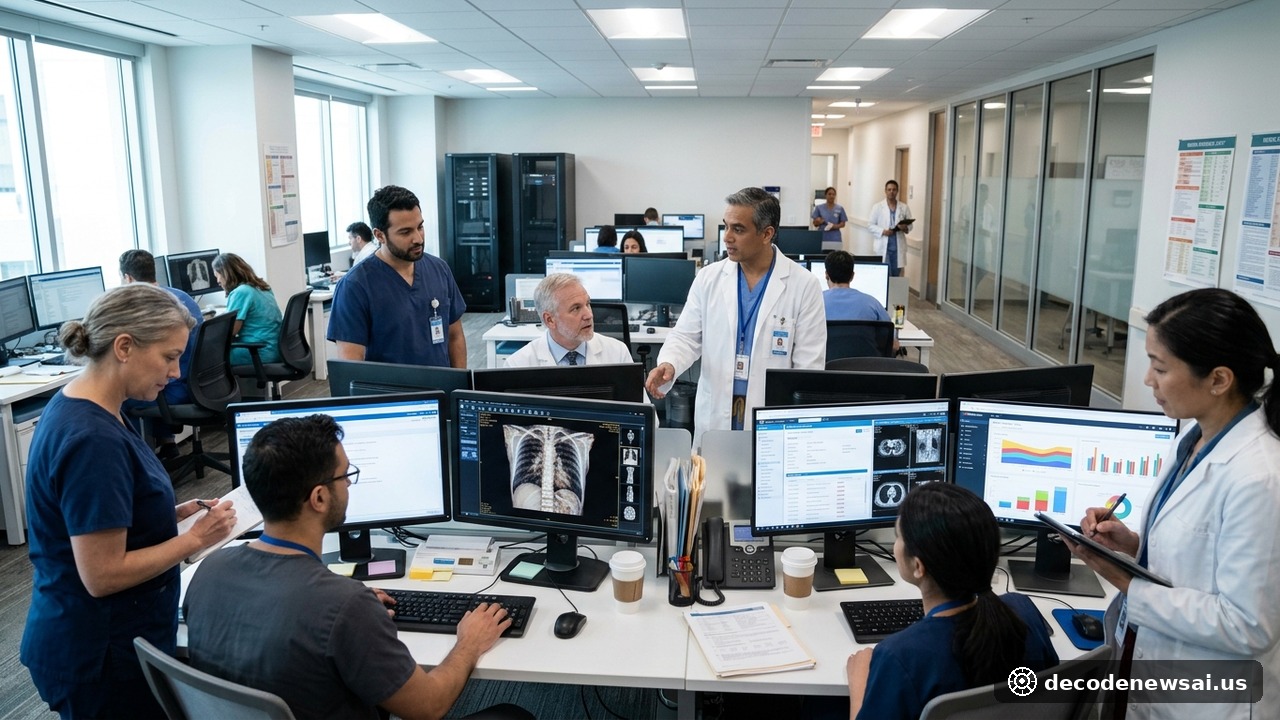
Clinical directors and hospital network chief information officers stressed one point. Purpose-built clinical AI systems substantially mitigate administrative burnout among attending physicians and nursing personnel. Industry market researchers project rapid enterprise adoption of specialized multimodal medical foundation models. That adoption will accelerate across international hospital groups over the next decade.
Clinical directors highlight reduced administrative burnout
Healthcare informatics directors and hospital operations executives highlighted a benefit. Purposeful multimodal clinical foundation models streamline routine clinical documentation and raise diagnostic accuracy. Integrated health systems can expand patient access with trustworthy AI tools. They can deliver compassionate, high-quality medical care.
Healthcare cybersecurity specialists and enterprise cloud consultants affirmed that privacy-centric model architectures protect vital institutional assets. Clinical informatics teams expressed strong optimism. Standardized AI solutions will significantly advance global patient care delivery.
Clinical technology researchers noted that specialized domain foundation models establish dependable safeguards for sensitive electronic medical records. Healthcare provider networks look forward to deploying advanced diagnostic assistance tools. Those tools aim to reduce documentation workloads and improve patient care.
Enterprise healthcare systems confirmed that automated clinical documentation tools free care teams. The teams can focus on meaningful direct patient interactions.
Partners anticipate further software enhancements
Industry technology leaders eagerly anticipate further software enhancements. The enhancements would support integrated medical workflows.
Global clinical partners express strong confidence in continued collaborative developments.