Mars, Incorporated, a global leader in confectionery, food, and pet nutrition, officially unveiled plans on November 10, 2026, to invest approximately $1.4 billion across its United States manufacturing and operations footprint in 2027. The capital deployment represents the largest single-year domestic investment in the corporation's history. Maker of iconic household brands including M&M'S, Snickers, Pedigree, and Royal Canin, the privately held enterprise is expanding domestic supply chain capacity across multiple facilities to support accelerating consumer demand and operational resilience.
$60 million Salt Lake City expansion for Trü Frü lines
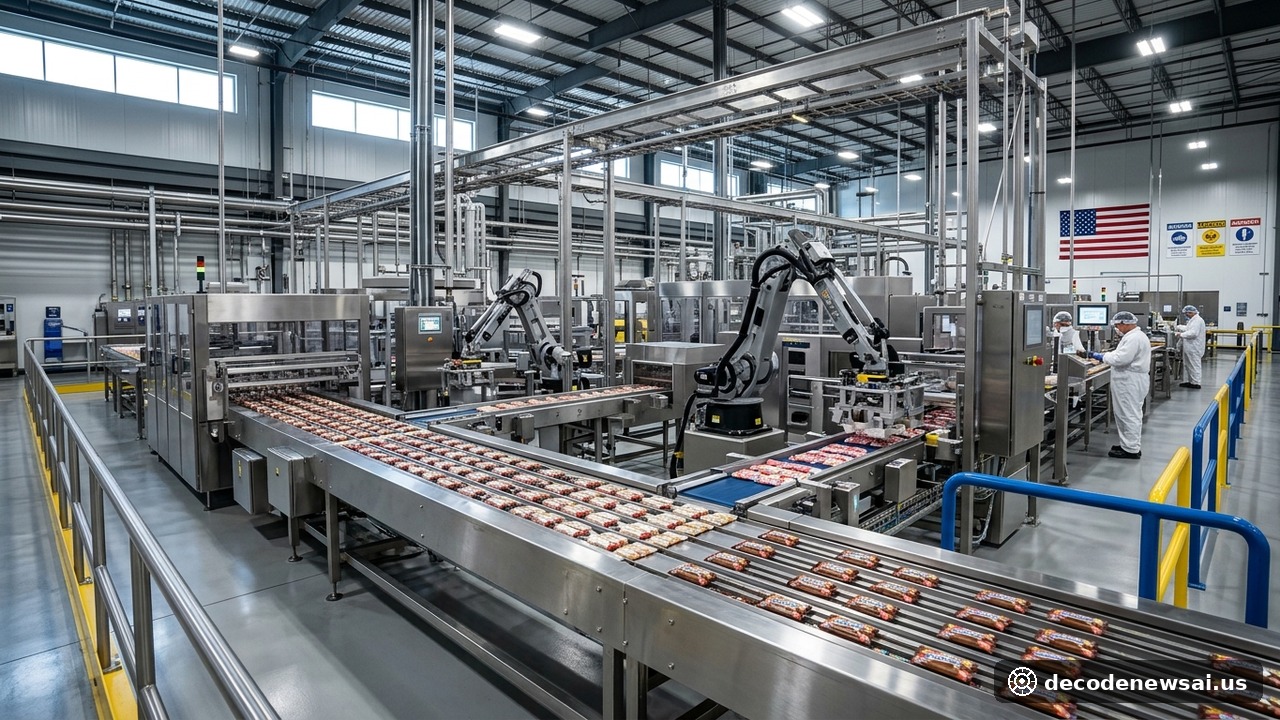
The strategic capital program focuses on expanding automated production lines, modernizing legacy facilities, and integrating sustainable industrial infrastructure across American manufacturing hubs.
Key components of the $1.4 billion allocation include a $60 million expansion in Salt Lake City, Utah, constructing two dedicated manufacturing lines for the Trü Frü brand within a modern $240 million facility commissioned last year. Addressing industry media at corporate headquarters in McLean, Virginia, senior executive leadership stated: "Committing $1.4 billion to domestic manufacturing demonstrates our enduring confidence in American industrial capacity. Expanding local operations allows us to create skilled manufacturing opportunities while delivering high-quality products with unmatched supply chain efficiency."
The investment roadmap also allocates $49 million to the company's wet pet food facility in Columbus, Ohio, domesticating manufacturing for Temptations Lickable Treats, alongside continuous efficiency upgrades at its 50-year-old manufacturing hub in Waco, Texas.
Domestic manufacturing insulates against shipping tariffs
Commercial logistics analysts observed that domesticating manufacturing operations provides vital insulation against volatile transatlantic shipping tariffs and supply chain bottlenecks. Direct regional distribution shortens replenishment cycles between manufacturing hubs and national retail distribution centers.
All planned manufacturing expansions incorporate advanced industrial energy efficiency standards, including rooftop solar photovoltaic arrays and industrial thermal recovery systems that advance corporate net-zero greenhouse gas commitments. Supply chain economists emphasized that large-scale industrial reinvestment by established manufacturing leaders stimulates regional employment growth, generating thousands of technical engineering and production jobs across local economies. Mars confirmed that capital deployment will proceed throughout the 2027 fiscal year.
Consumer goods analysts and industrial manufacturing economists highlighted that sustained capital reinvestment is essential for maintaining high supply chain agility amidst shifting international trade dynamics. Because regional manufacturing hubs significantly reduce transit times and inventory holding expenses, expanding modern automated production lines empowers food processors to respond dynamically to consumer demand cycles. Environmental engineering teams noted that integrating advanced rooftop solar arrays and industrial thermal recovery systems substantially lowers operational carbon footprints. Industry stakeholders emphasized that private capital investments generate durable economic multipliers that support skilled regional manufacturing employment.
Analysts cite resilience against commodity fluctuations
Global food industry analysts and commercial agriculture specialists noted that extensive domestic manufacturing capital expenditure provides crucial resilience against international commodity fluctuations. Because automated localized production facilities optimize ingredient throughput and packaging operations, sustained capital investments enable major consumer brands to meet stringent food quality and safety standards reliably. Regional economic development directors praised the corporate expansion for generating substantial local tax revenues and supporting high-skill vocational training programs across regional manufacturing communities.
In addition, agricultural manufacturing analysts observed that long-term capital investments enhance operational efficiency and sustainable packaging innovation. Industrial trade associations commended the domestic manufacturing expansion for reinforcing local community economic resilience.
Furthermore, commercial logistics specialists noted that domestic facility modernization shortens supply chains and supports regional manufacturing competitiveness. Industry leaders expect the newly funded facilities to achieve operational excellence in early 2027.
Leadership reaffirms disciplined capital allocation for growth
Corporate leadership reaffirmed that disciplined capital allocation and sustainable operations remain foundational pillars for continuous growth. Retail partners and consumer advocacy groups expressed strong enthusiasm for the upcoming manufacturing expansion across American production centers.
Corporate executives confirmed that long-term strategic planning will continue to drive investments in employee development and community programs. Industry stakeholders anticipate that these initiatives will yield lasting benefits for regional economic growth.