Published: 2026-11-11 05:55 EST
California election officials confirmed on November 10, 2026, that Proposition 42 established a decisive lead with 51.6 percent support. The measure amends the state constitution. The amendment prohibits new state levies on personal property, corporate business equity, and financial assets. The statutory change permanently eliminates legislative pathways to enact state-level billionaire wealth taxes. California's municipal and state revenue framework enters an era of structural fiscal constraint.
Constitutional Amendment Secures Majority Approval Barring State Personal Property Taxes
California election authorities released updated ballot tabulation figures on Tuesday with approximately 83 percent of total votes processed statewide. The constitutional initiative sustained an expanding plurality.
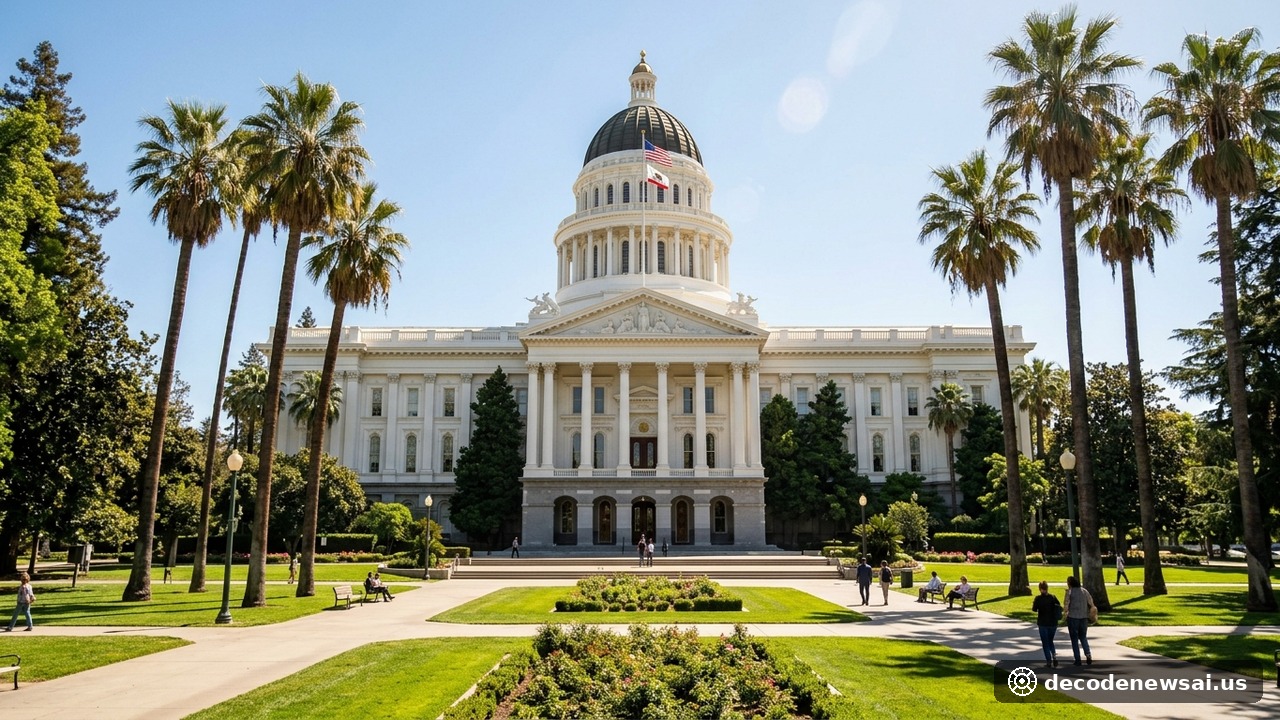
The constitutional amendment establishes statutory prohibitions barring state taxation of personal intangible property, retirement holdings, private equity stakes, and intellectual property. Furthermore, the amendment strictly outlaws retroactive tax assessments across all asset categories. The electoral outcome follows the decisive defeat of Proposition 40 last week, which had proposed a one-time wealth levy targeting residents with net assets exceeding $1 billion. Regulatory disclosures filed with the California Fair Political Practices Commission confirmed that Building a Better California, a campaign committee funded with $102 million from Google co-founder Sergey Brin, deployed over $300 million to defeat Proposition 40 and advance Proposition 42. Business leaders addressed reporters outside the state capitol in Sacramento. The spokesperson stated: "California voters made an unambiguous choice to safeguard the state's entrepreneurial climate by establishing a constitutional ban on wealth taxation, halting capital and talent departures to lower-tax jurisdictions." Commercial industry groups applauded the outcome.
By locking the statutory ban into the state constitution, California lawmakers are precluded from leveraging targeted wealth levies to close multi-billion-dollar state budget deficits in coming legislative sessions.
Silicon Valley Donors Deploy $300 Million to Dismantle Wealth Tax Initiatives
The ballot confrontation over wealth taxation established an all-time record for direct campaign expenditures on a state initiative campaign. Technology executives and public employee labor unions waged an intensive six-month public relations battle.
Proponents of the defeated Proposition 40 had projected that taxing billionaire assets would generate billions in dedicated revenue to reinforce the state's Medicaid and healthcare safety nets. However, prominent technology executives mounted unified institutional opposition. Brin and peer technology founders established dedicated advocacy committees, arguing that arbitrary asset assessments would accelerate the relocation of corporate headquarters out of California. Campaign advertisements successfully persuaded mainstream homeowners that wealth taxes would eventually lower thresholds to encompass middle-class real estate equity and retirement pensions. Consequently, voters decisively endorsed the constitutional barrier.
With Proposition 42 confirmed by voters, institutional venture capital firms and emerging startup incubators secure durable clarity regarding corporate asset taxation. Entrepreneurial retention metrics across Silicon Valley stabilized.
Permanent Revenue Restrictions Confront State Lawmakers Ahead of Looming Fiscal Deficits
While enterprise investors and commercial property holders celebrated the electoral outcome, non-partisan budget analysts at the California Legislative Analyst's Office warned of severe medium-term fiscal repercussions. Legislative budget flexibility has been sharply constricted.
Fiscal evaluators emphasized that anticipated federal reductions in matching healthcare reimbursements will widen California's projected general fund deficit beyond $10 billion across the upcoming biennial budget. Constrained by constitutional prohibitions against capital asset assessments or retroactive adjustments, state lawmakers must balance annual appropriations primarily through direct spending reductions across university systems, environmental infrastructure grants, and transit agencies. Municipal league representatives testified at interim budget hearings that city revenues cannot withstand perpetual dependency on volatile personal capital gains tax receipts. State budget planners must enforce strict spending discipline.
The California Secretary of State is scheduled to formally certify election results next week. The state legislature will convene in Sacramento in early December to formulate a revised budget strategy.
Strategic planning advisors and international trade specialists noted that long-term intergovernmental frameworks generate predictable operating environments across key industry sectors. By coupling transparent administrative guidelines with rigorous scientific benchmarks, regulatory bodies and enterprise leaders establish sustainable operating models capable of withstanding shifting macroeconomic dynamics. Global market participants will continue observing forthcoming implementation milestones as public agencies execute their mandated responsibilities throughout 2027. Cross-border coordination remains vital for driving sustained operational resilience and delivering measurable societal benefits worldwide.