National Dataset Challenges Long-Standing Assumptions
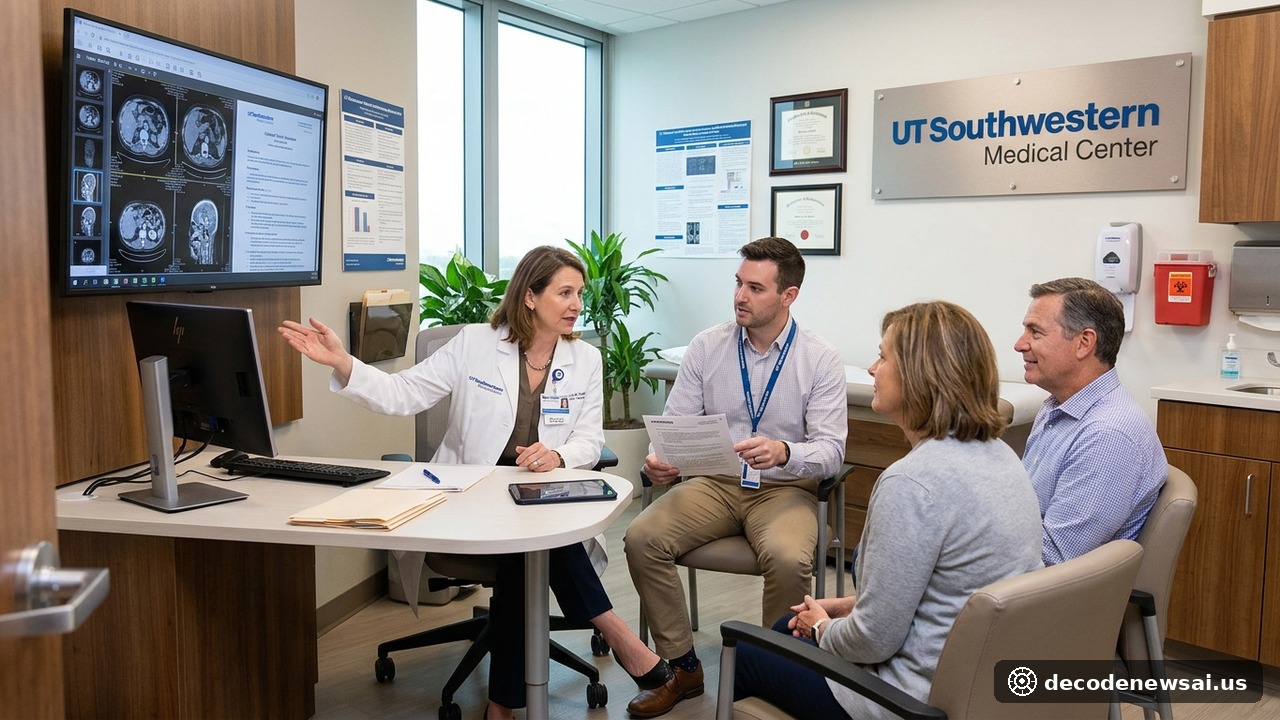
The multi-center cohort investigation conducted by UT Southwestern researchers delivered transformative insights across oncology research networks. Utilizing multilevel regression frameworks across comprehensive cancer centers and community practices, investigators evaluated treatment pathways for thousands of patients with advanced malignancies. The analysis decisively proved that trial enrollment hinges fundamentally on oncologist referral behavior and clinic infrastructure rather than patient demographics. Dr. Changchuan "Charles" Jiang, assistant professor of internal medicine at UT Southwestern, stated: "Conventionally, disparities in trial participation were attributed to patient characteristics, but our data prove that physician and clinic-level factors are the dominant drivers of access to novel therapies."
Institutional Practice Attributes Drive Trial Inclusion
The findings uncovered stark institutional disparities across practice settings. Patients receiving care at major academic centers equipped with dedicated research coordinators were exponentially more likely to access experimental targeted therapies than those treated in community oncology clinics. Overburdened community oncologists frequently rely on standard-of-care chemotherapy regimens due to administrative hurdles, unintentionally restricting patient trial access. Dr. Tian Zhang, associate director of clinical research at the Harold C. Simmons Comprehensive Cancer Center, added: "If we aim to broaden clinical trial enrollment equitably, intervention efforts must focus on empowering community oncology practices and reforming institutional referral structures."
Equitable Clinical Research Access Demands Systemic Reform
These empirical insights establish an urgent mandate to restructure clinical research distribution across the United States. Authors urged federal health agencies and pharmaceutical sponsors to direct infrastructure grants toward community practice networks and deploy automated trial-matching algorithms. By lowering operational burdens on community oncologists, healthcare systems can dismantle institutional barriers and broaden trial enrollment equity nationwide.