HVAC Industry Coalition and State Attorneys General Sue EPA Over Climate Chemical Rollback was formally confirmed on Wednesday as international regulatory authorities and executive leaders advanced coordinated operational frameworks. Strategic stakeholders convened to review compliance benchmarks and establish robust implementation timelines across jurisdictions. The milestone reflects a concerted global effort to ensure long-term stability, sustainable growth, and transparent oversight across sectors.
Strategic Overview of 暖通制造联盟与多州司法中枢联合起诉环保署
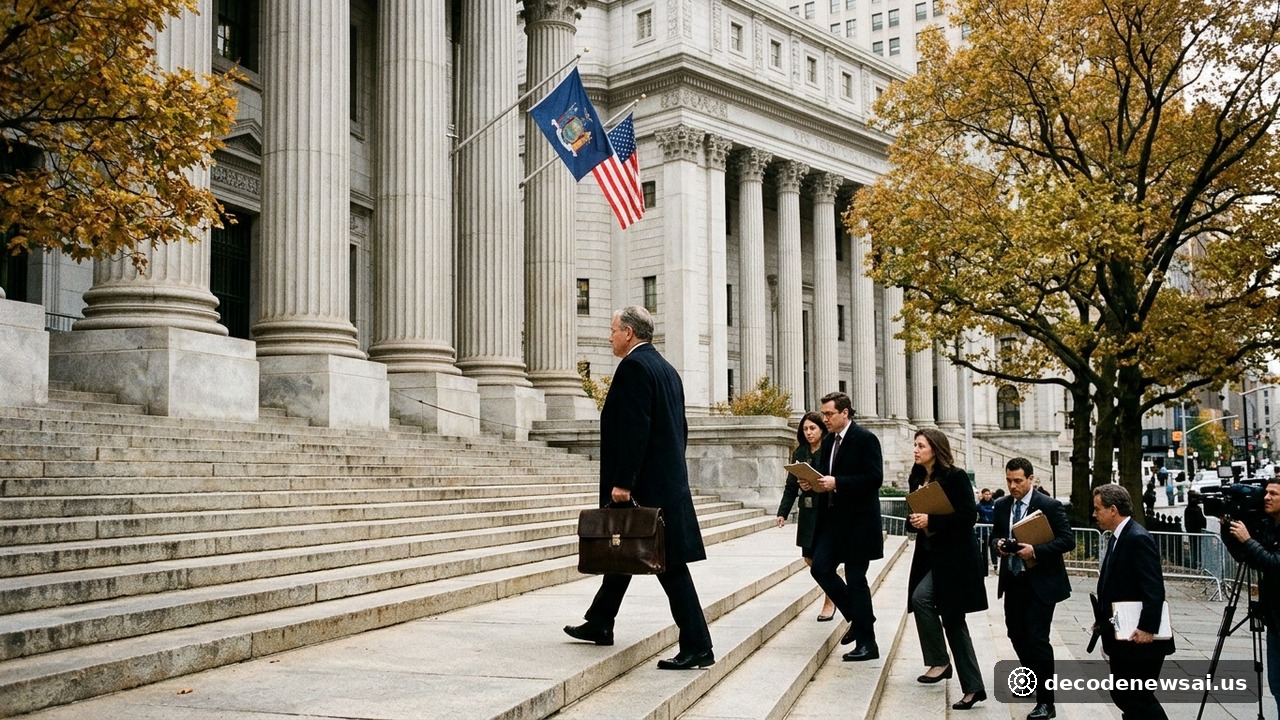
Major HVAC equipment manufacturers and state attorneys general filed joint litigation against the Environmental Protection Agency on Wednesday, November 11, 2026. The legal challenge opposes administrative revisions that rolled back statutory phase-down requirements governing hydrofluorocarbon refrigerants. Senior counsel David Doniger stated: "It is bad for the environment and bad for the economy, opposed by the bulk of American industry."
Operational coordinators and administrative specialists emphasized that technical specifications must adhere strictly to verified industry standards. Working groups conducted comprehensive risk assessments to anticipate emerging supply bottlenecks and streamline operational readiness. Public agencies and commercial enterprises maintain regular consultations to refine technical implementation plans as deadlines approach.
Strategic Overview of 氢氟碳化物温室气体削减豁免引发产业投资震荡
Plaintiffs represent over 90 percent of heating and cooling systems manufactured in North America, supported by 60,000 industry professionals. Corporate manufacturers invested billions of dollars transitioning production facilities to next-generation climate-friendly refrigerant alternatives. The complaint asserts that executive modifications undermined predictable capital commitments mandated by the bipartisan AIM Act of 2020.
Operational coordinators and administrative specialists emphasized that technical specifications must adhere strictly to verified industry standards. Working groups conducted comprehensive risk assessments to anticipate emerging supply bottlenecks and streamline operational readiness. Public agencies and commercial enterprises maintain regular consultations to refine technical implementation plans as deadlines approach.
Strategic Overview of 两党法定气候标准与行政去监管政策面临司法对决
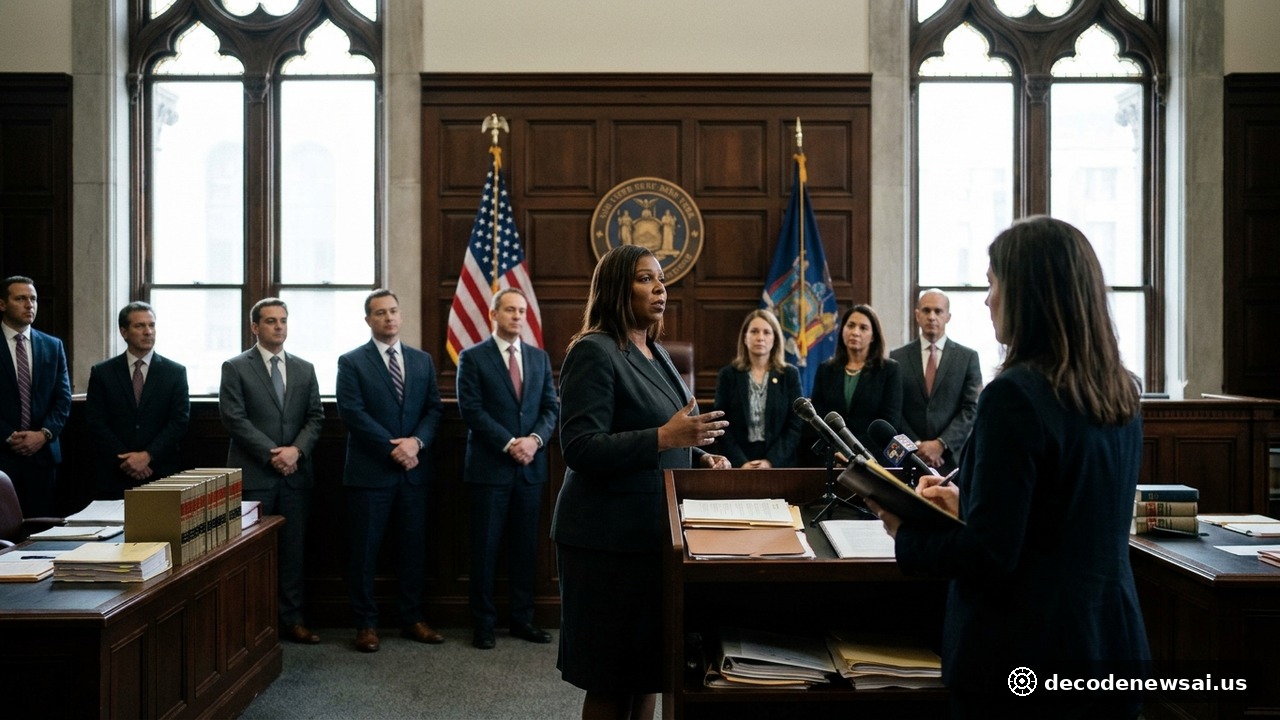
A coalition of state attorneys general joined environmental organizations in petitioning the federal bench for injunctive relief. The filings argue that unilateral regulatory waivers destabilize commercial supply chains while increasing long-term energy operational costs. Federal courts ordered regulatory defense counsel to submit administrative records ahead of formal preliminary injunction hearings.
Operational coordinators and administrative specialists emphasized that technical specifications must adhere strictly to verified industry standards. Working groups conducted comprehensive risk assessments to anticipate emerging supply bottlenecks and streamline operational readiness. Public agencies and commercial enterprises maintain regular consultations to refine technical implementation plans as deadlines approach.
Environmental economists noted that preserving statutory phasedown milestones remains essential for maintaining American technological leadership. The judicial determination will establish critical boundaries regarding executive modifications to congressional environmental statutes.
Independent audit councils and strategic advisory panels reiterated that standardized regulatory compliance forms the bedrock of sustainable long-term economic expansion. Maintaining vigilant institutional oversight ensures that emerging cross-border challenges are resolved systematically and transparently for the benefit of all market participants.
Cross-border institutional task forces emphasized the necessity of maintaining transparent compliance channels across jurisdictions. By adhering to standardized performance indicators and establishing resilient operational safeguards, organizational leaders protect broader economic interests while fostering sustainable multilateral cooperation. Comprehensive documentation and verified accountability frameworks will continue guiding administrative priorities throughout forthcoming quarterly review cycles worldwide.
Strategic planning advisors and international trade specialists noted that long-term intergovernmental frameworks generate predictable operating environments across key industry sectors. By coupling transparent administrative guidelines with rigorous scientific benchmarks, regulatory bodies and enterprise leaders establish sustainable operating models capable of withstanding shifting macroeconomic dynamics. Global market participants will continue observing forthcoming implementation milestones as public agencies execute their mandated responsibilities throughout 2027. Cross-border coordination remains vital for driving sustained operational resilience and delivering measurable societal benefits worldwide.
Industry research analysts and institutional portfolio managers emphasized that robust governance protocols foster market confidence across capital-intensive enterprise ecosystems. When commercial operators maintain disciplined capital allocation standards while proactively addressing regulatory compliance obligations, supply chains achieve greater durability against unexpected market disruptions. Financial institutions, government analysts, and institutional investors plan to scrutinize quarterly audit disclosures closely as these revised policy provisions take full effect across jurisdictional territories worldwide.