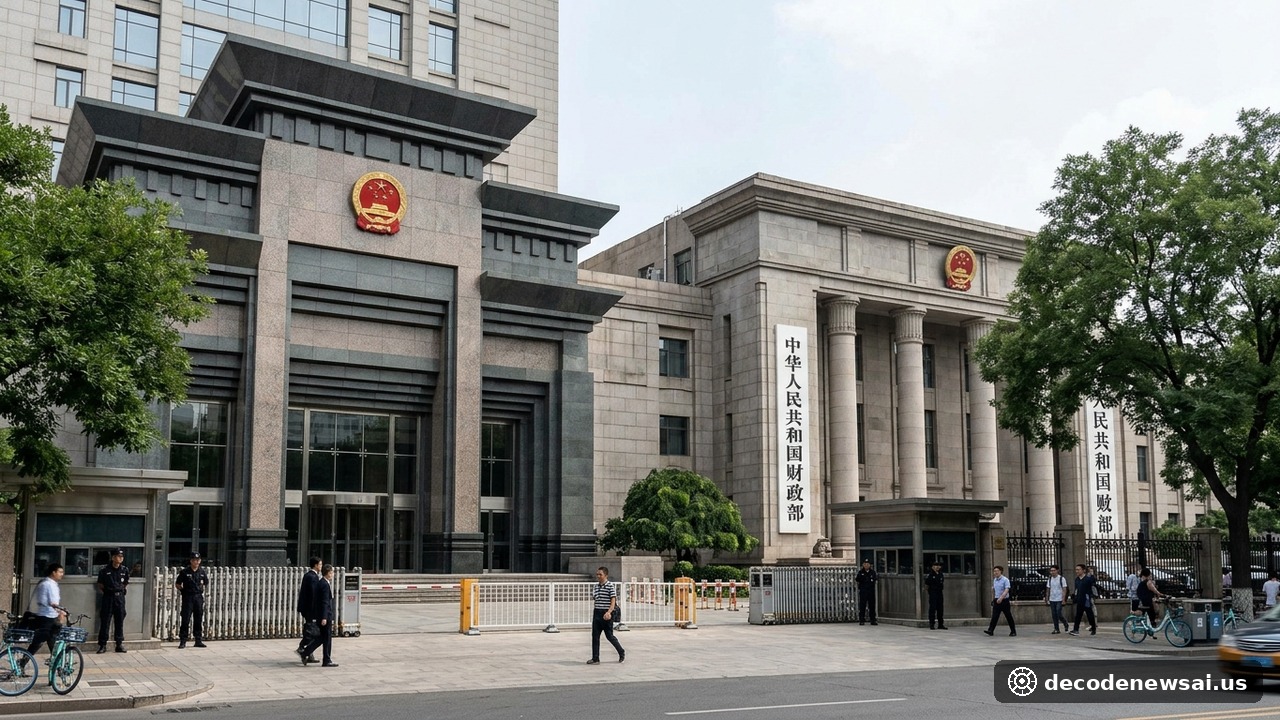
Standard Chartered confirmed on Wednesday that it supported China's Ministry of Finance in marketing the CNH 4 billion dual-tranche green bond across Canadian offshore capital hubs. Proceeds will finance clean public transportation and renewable energy grids. Underwriting coordinators noted robust demand for high-quality yuan-denominated green sovereign paper in disclosures reported by The Standard and financial wires.
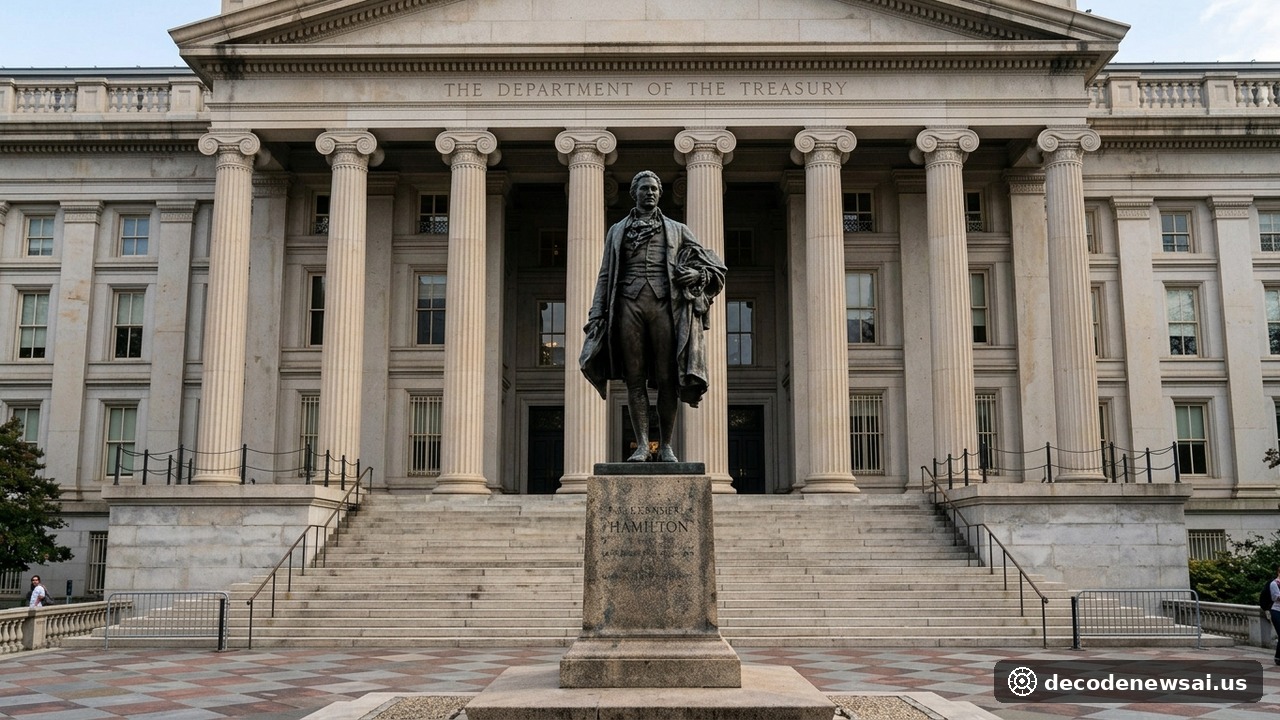
Bloomberg reported on November 11 that macroeconomic regulators are surveying financial institutions regarding the potential application of a 25% corporate income tax on treasury bond coupon interest. Under current statutory rules, institutional investors in mainland China enjoy complete corporate income tax exemptions on interest earned from domestic central government bonds. These preferential tax policies, combined with muted private credit demand, drove commercial banks and mutual funds to aggressively purchase government debt, depressing sovereign yields to record lows. Levying a standard 25% tax on bond interest would increase the net cost of carrying sovereign debt for institutional balance sheets, effectively nudging primary yields higher and countering persistent flattened yield curves.
Hong Kong's Financial Services Development Council recommended integrating mainland pension funds into Southbound Bond Connect. Fixed-income strategists observe that if bond interest tax exemptions are curtailed, commercial banks will face enhanced incentives to deploy capital into high-grade corporate bonds and manufacturing enterprise lending.
The Ministry of Finance has not issued an official public notice regarding the survey, with technical consultations remaining in preliminary review stages. Over the past twelve months, intense buying by rural commercial banks and retail investment funds drove ten-year and thirty-year treasury yields to historic lows, compressing commercial bank net interest margins. Monetary authorities have repeatedly warned that excessive yield declines heighten balance sheet duration risks. Macroeconomic planners believe adjusting tax incentives provides a market-oriented mechanism to cool speculative debt accumulation without resorting to direct administrative interventions.