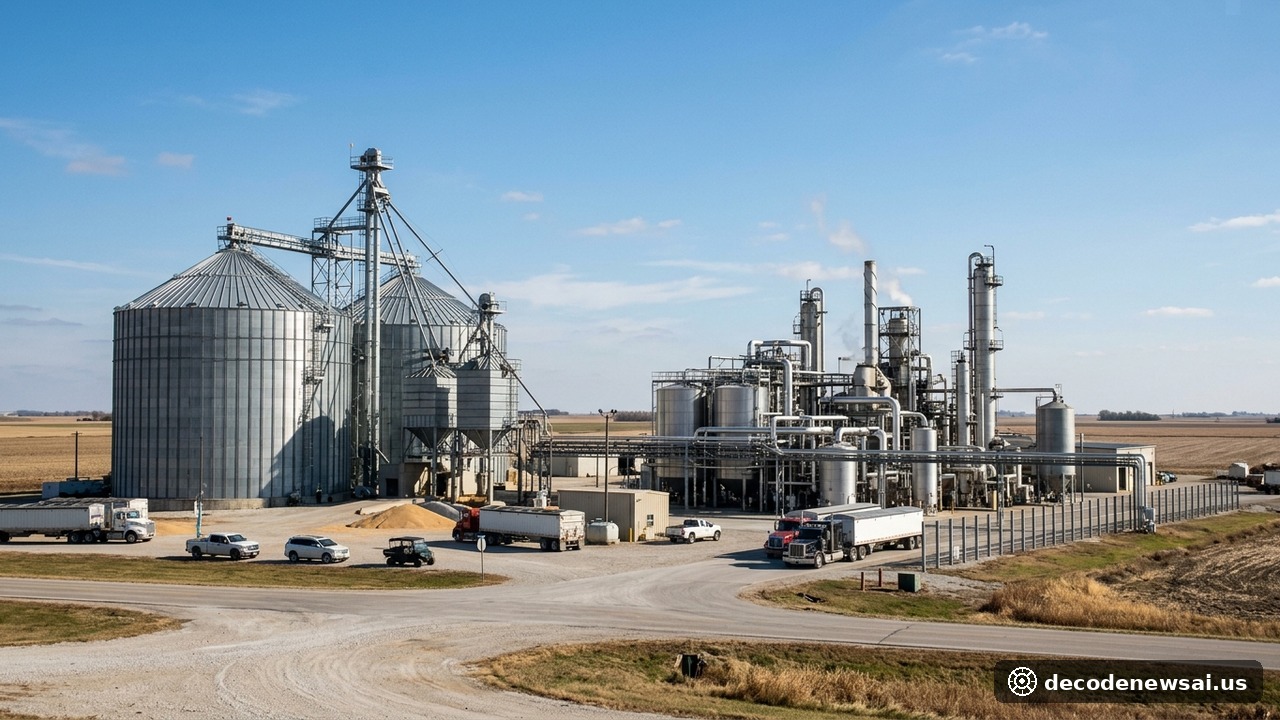
The US Environmental Protection Agency (EPA) issued a formal proposed regulatory overhaul on November 11, 2026.
The agency proposed reallocating 770 million gallons in previously waived Renewable Fuel Standard (RFS) blending obligations that were granted to small refineries. According to the regulatory draft published in the Federal Register, the EPA plans to redistribute the 770 million gallons across compliance cycles. Non-exempt merchant refineries and integrated petroleum processors must absorb proportional increases in baseline ethanol and biodiesel blending ratios.
According to coverage from Reuters and Michigan Farm News, National Corn Growers Association (NCGA) Public Policy Director Harold Walsh testified before a congressional energy panel. Walsh said the proposed reallocation restores statutory intent enacted by Congress under the Clean Air Act. He stressed that Midwestern agricultural producers need a transparent regulatory environment and that the rule delivers certainty for regional biorefining investments and domestic biofuel processors. Market intelligence providers reported D4 biomass-based diesel RIN credits surged nearly 12 percent within hours following the announcement.
Merchant refiners operating on the Atlantic and Gulf coasts strongly condemned the EPA proposal as economically unfeasible. The American Fuel & Petrochemical Manufacturers (AFPM) released a sharply critical statement warning of arbitrary bureaucratic overreach. Organized labor representatives representing refinery workers voiced serious concerns regarding potential facility closures and localized manufacturing job losses. Governors across several southern oil-producing states sent a joint urgent letter to the White House and EPA leadership demanding an immediate administrative stay on volumetric reallocation pending formal economic impact reviews.
Lawmakers representing corn-producing agricultural states in the Midwest urged the administration to finalize the rule without delay. Representatives from Texas and Louisiana launched investigative inquiries into the EPA's administrative rulemaking authorities within the House Energy and Commerce Committee. The EPA opened a public comment window and scheduled virtual public hearings before issuing a final determination.