National Microbiology Laboratory Confirms Clade and Genotype
The Public Health Agency of Canada and British Columbia health authorities confirmed November 13 that a hospitalized adolescent tested positive for avian influenza A(H5N1). It is Canada's first domestically acquired human infection. Richmond patient was previously healthy before eye irritation, cough, and fever November 2. The adolescent was admitted November 8 to BC Children's Hospital with acute respiratory distress syndrome. The BC Centre for Disease Control Public Health Laboratory returned a presumptive positive result for the H5 subtype; the National Microbiology Laboratory in Winnipeg verified highly pathogenic avian influenza A(H5N1). Dr. Bonnie Henry, British Columbia Provincial Health Officer, said the previously healthy patient deteriorated rapidly. Clinical teams are administering oseltamivir and mechanical ventilation.
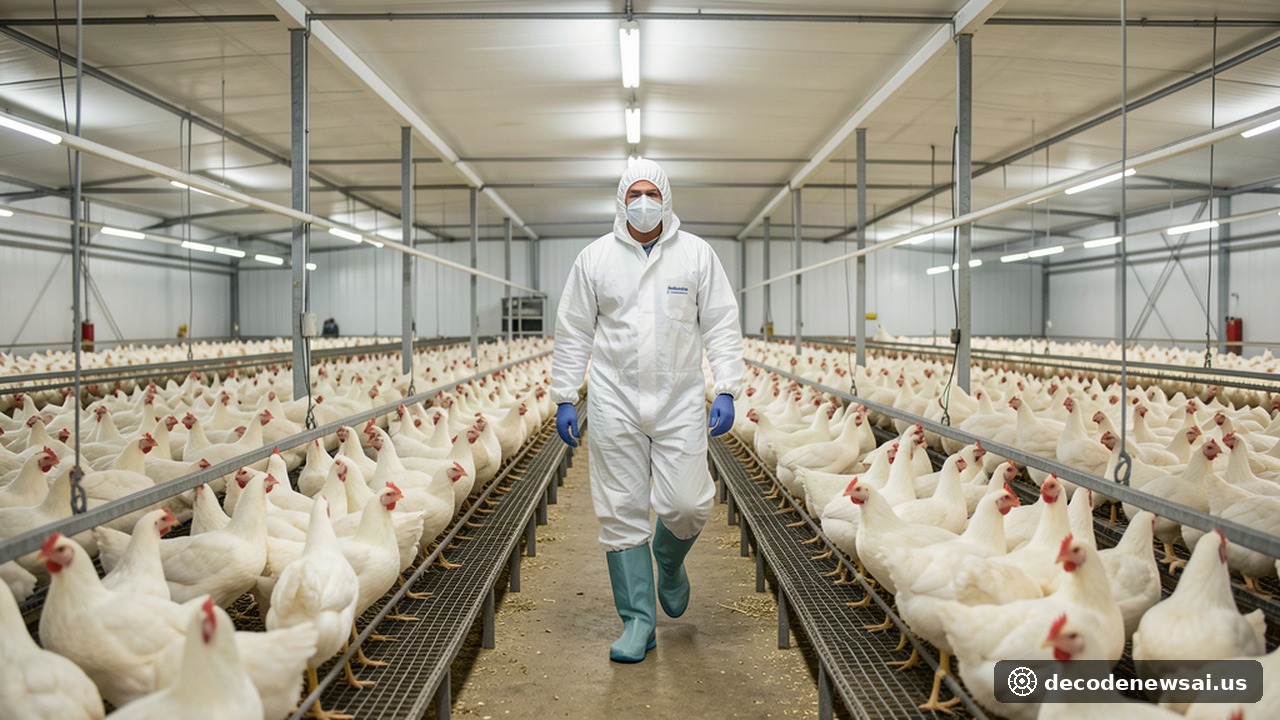
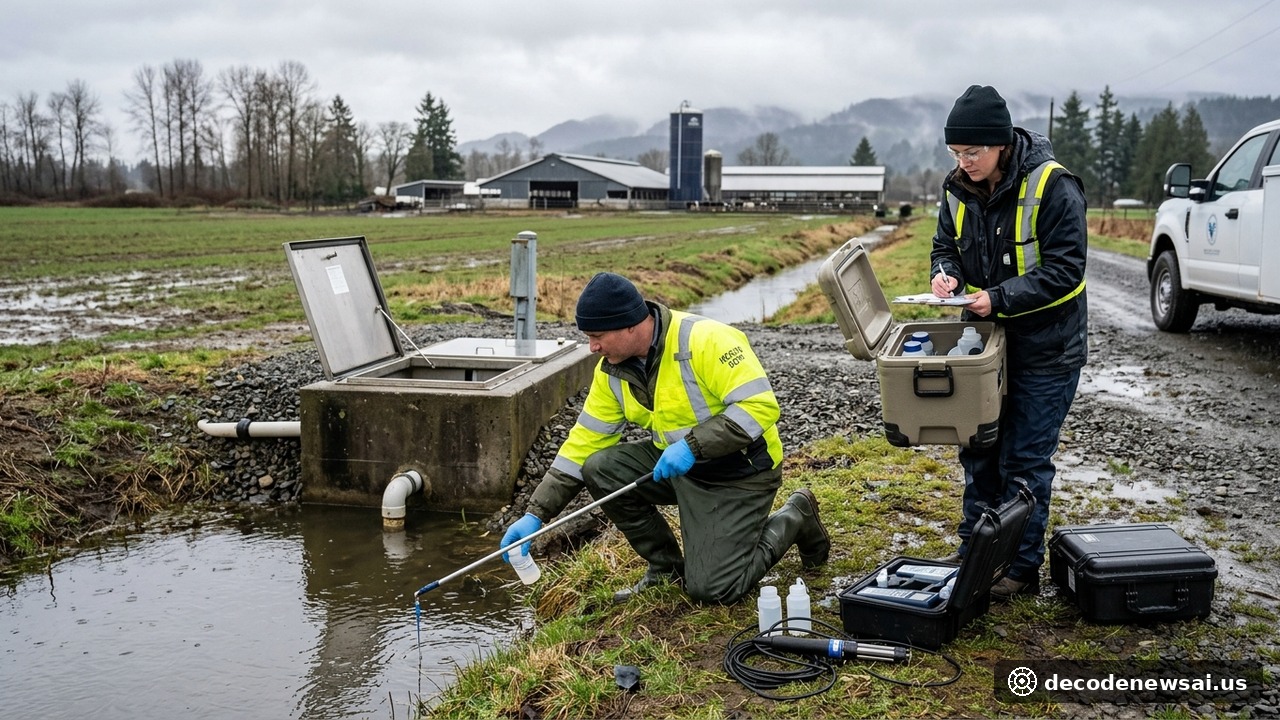
Public health investigators monitored approximately three dozen contacts, including family members, acquaintances, and healthcare professionals, before barrier isolation. All contacts were offered prophylactic antivirals and diagnostic testing. As of November 15, no close contacts had tested positive, and there was no evidence of secondary human-to-human transmission. The exposure route remains under investigation; environmental teams sampled domestic pets, nearby agricultural sites, and local wetlands frequented by wild birds. Since early October, British Columbia has identified highly pathogenic avian influenza in commercial poultry premises and backyard flocks during autumn waterfowl migration. The Public Health Agency of Canada said the general public health risk to Canadians remains low.
The acute respiratory distress syndrome contrasts with predominantly mild conjunctivitis among 46 dairy farmworkers infected with H5N1 in the United States throughout 2024. The incident triggered coordinated response actions between the Public Health Agency of Canada and the U.S. Centers for Disease Control and Prevention. Both nations monitor waterfowl along the Pacific Flyway. Provincial agricultural inspection teams established surveillance cordons across commercial poultry farms in the Fraser Valley, performing real-time PCR diagnostics on avian samples.