Merck & Co. announced clinical updates on its investigational oral PCSK9 inhibitor candidate MK-0616 on November 12, 2026, from its Rahway, New Jersey, headquarters. Merck said MK-0616, an oral macrocyclic peptide targeting PCSK9, was advancing into pivotal global Phase 3 development. Pooled multi-center clinical trials showed once-daily oral MK-0616 reduced LDL-C by 40% to 60% versus placebo, matching injectable monoclonal antibodies. Technical monographs presented at international cardiovascular congresses reported MK-0616 was synthesized to overcome digestive-tract bioavailability hurdles, was formulated with a proprietary oral permeation enhancer, and binds circulating PCSK9 with nanomolar affinity.
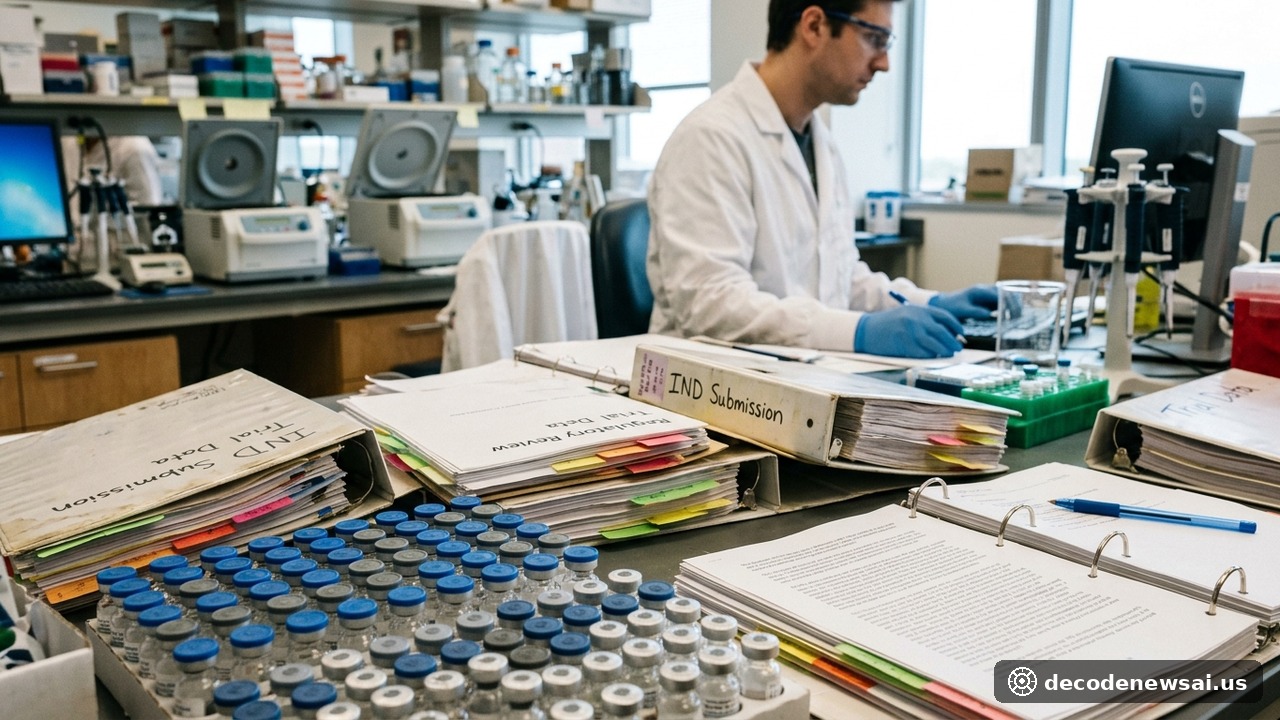
At an academic investigator briefing documented by Applied Clinical Trials and Reuters, Merck Senior Vice President and Head of Global Clinical Development for Cardiovascular Medicine Dr. Michael Elhans reviewed clinical results. Comprehensive clinical safety analyses documented no statistically significant differences in treatment-emergent adverse event rates between MK-0616 and oral placebos. Building on Phase 2b findings, Merck expanded its definitive registration program, the CORALreef clinical initiative, encompassing three registration studies enrolling approximately 17,000 diverse adult participants with hypercholesterolemia or heterozygous familial hypercholesterolemia. The overarching outcome study investigates whether multi-year MK-0616 therapy reduces major adverse cardiovascular events, including myocardial infarction, ischemic stroke, and cardiovascular death. Epidemiological registries indicate over 70% of high-risk cardiovascular patients fail to maintain recommended target lipid levels under current clinical regimens.
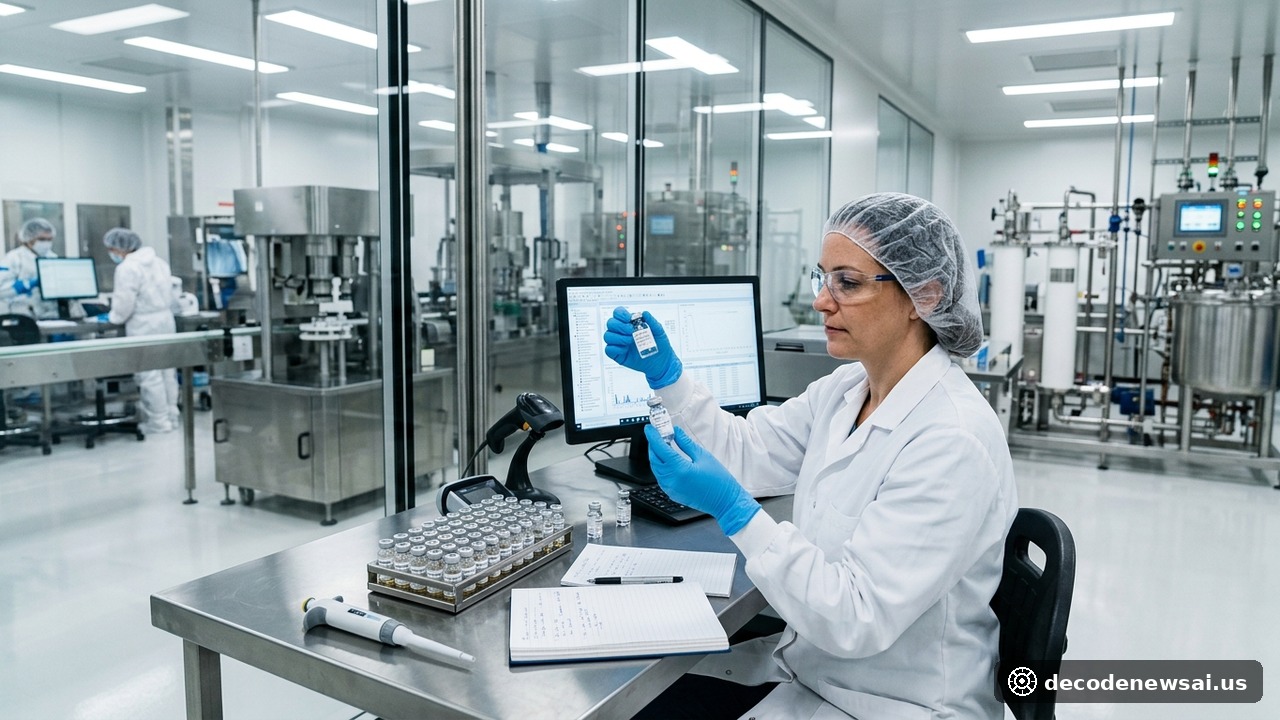
Merck's chemical engineering manufacturing division commenced dedicated facility upgrades across active pharmaceutical manufacturing complexes in New Jersey and Ireland to prepare for anticipated commercial production upon regulatory licensure. Manufacturing leadership confirmed commercial synthesis protocols for synthetic macrocyclic peptides and permeation excipients achieved high-yield validation, and production facilities are projected to produce millions of patient treatment courses annually. Wall Street biopharmaceutical equity analysts project that, upon global regulatory approvals, annual worldwide sales for MK-0616 could exceed $5 billion.