Luxury fashion apparel and accessories conglomerate Tapestry, Inc. and Capri Holdings Limited officially announced on November 14, 2026, the mutual termination of their definitive $8.5 billion merger agreement. The strategic decision formally abandons the prospective corporate combination, which was structured to unite iconic American accessory labels Coach and Kate Spade with luxury fashion houses Michael Kors, Versace, and Jimmy Choo. Executives determined that ongoing antitrust appeals introduced protracted operational uncertainty, impairing strategic execution across respective global brand portfolios. Corporate restructuring measures proceeded in an orderly manner. Retail fashion operations realigned systematically. Conditions remained clear.
Federal District Court Grants Preliminary Injunction Halting Transaction as Parties Settle Expenses
According to Form 8-K regulatory disclosures filed with the Securities and Exchange Commission (SEC), respective corporate boards of directors concurred that formal termination served the optimal commercial interests of equity shareholders and employees. In accordance with mutual termination covenants executed on November 14, Tapestry remitted $45 million in cash reimbursements to Capri Holdings to offset specialized transaction-related legal, auditing, and administrative expenses.
The abandoned transaction encountered severe legal resistance in late October, when United States District Judge Jennifer Rochon of the Southern District of New York granted the Federal Trade Commission's (FTC) motion for a preliminary injunction. The judicial ruling concluded that combining Tapestry and Capri would substantially lessen commercial competition within the narrowly defined domestic market for "accessible luxury handbags." The court decision brought deal deliberations to a close.
Delivering executive commentary during an institutional investor conference call documented by Bloomberg and the Wall Street Journal, Tapestry Chief Executive Officer Joanne Crevoiserat framed the withdrawal as an intentional risk-mitigation milestone. Tapestry CEO Joanne Crevoiserat stated: "We have always had full confidence in the compelling merits of this combination, but the legal process created prolonged uncertainty that made termination the best decision for our shareholders and brands." Corporate leadership affirmed that both organizations are prepared to execute independent standalone strategic transformations. Equity analysts endorsed the corporate resolution.
Capri Holdings Chairman and Chief Executive Officer John D. Idol released concurrent statements expressing regret regarding transaction obstacles while underscoring renewed operational focus upon proprietary turnaround initiatives across Versace, Jimmy Choo, and Michael Kors retail channels. Strategic priorities shifted toward direct commercial execution.
Tapestry Redeems $6.1 Billion in Acquisition Notes and Authorizes $2.0 Billion Share Repurchase
To optimize corporate capital structures and return surplus liquidity to common shareholders, Tapestry's executive management announced comprehensive capital allocation actions. The corporation confirmed the full redemption of $6.1 billion in aggregate senior notes originally issued to finance the proposed acquisition, drawing upon segregated escrow deposit funds. Concurrently, Tapestry's board of directors authorized a new $2.0 billion share repurchase authorization, including an accelerated share repurchase program targeting an initial $1.0 billion tranche to be executed promptly. Financial disclosures confirmed that stable full-price retail sales across Coach generated quarterly gross margins exceeding 70 percent, providing reliable free cash flow to support equity retirements. Corporate balance sheets maintained robust liquidity buffers.
Following the termination announcement and capital distribution plan, Tapestry equity shares advanced 8.5 percent in high-volume trading on the New York Stock Exchange. Equity investors welcomed the elimination of acquisition integration risks and substantial debt encumbrances. Financial market reactions remained markedly positive.
Conversely, shares of Capri Holdings experienced substantial downward volatility, declining more than 10 percent as market pricing adjusted for the absence of a cash buyout premium. Analysts noted that Michael Kors continues to confront retail inventory headwinds across North American wholesale department store distribution networks. Independent brand rehabilitation remained a long-term commercial challenge.
Federal Trade Commission Enforces Aggressive Antitrust Scrutiny Beyond Technology Sectors
Within corporate legal and antitrust governance frameworks, the transaction's dissolution represents a prominent institutional triumph for the FTC under Chair Lina Khan. The regulatory outcome demonstrated that federal antitrust scrutiny applies rigorously to traditional consumer retail and apparel industries rather than concentrating exclusively on digital platform giants or multinational pharmaceutical combinations. Regulatory regulators successfully established that consolidation among accessible luxury labels threatened to reduce consumer choice and pricing discipline. Federal competition oversight widened in operational scope.
Corporate mergers and acquisitions attorneys observed that Judge Rochon's endorsement of the FTC's specialized market definition establishes influential precedent for upcoming horizontal consolidation across commercial retail industries. Corporate acquisition planning is expected to incorporate elevated regulatory risk premiums and strict termination protocols. Legal compliance reviews adapted accordingly.
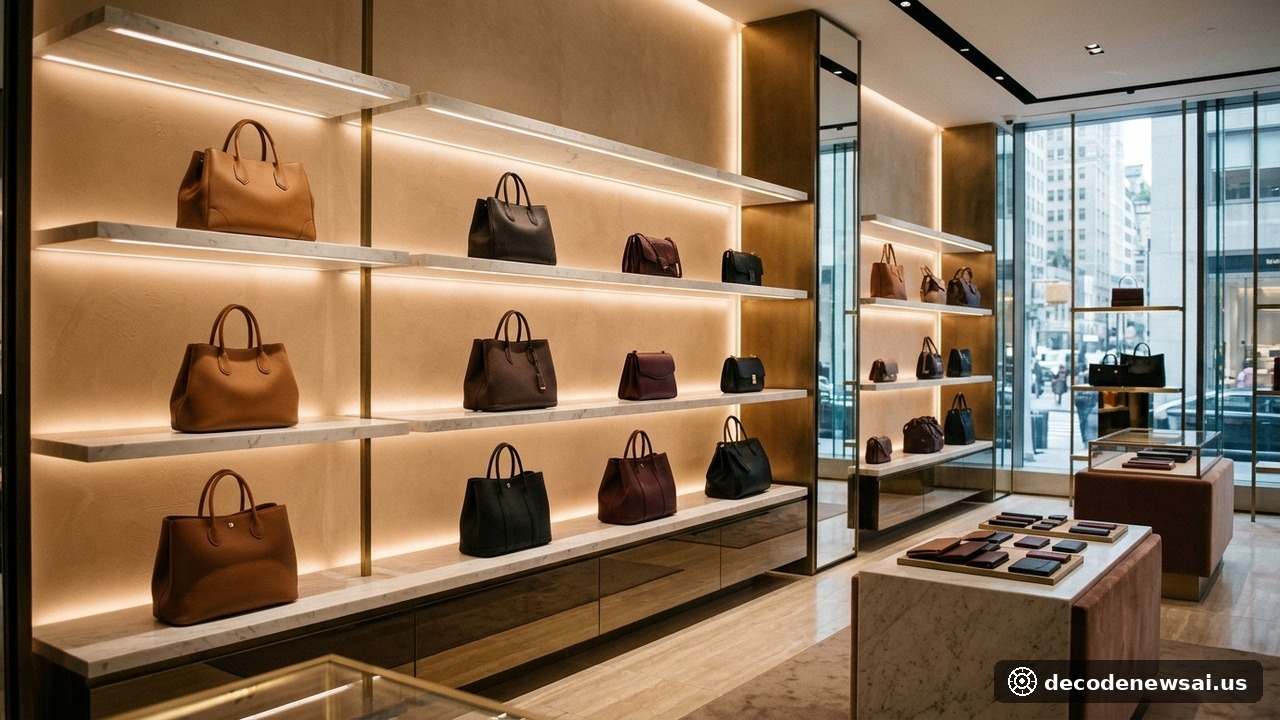
Along Madison Avenue in Manhattan, boutique display windows displayed designer leather goods to seasonal autumn shoppers. While aspirations to assemble a unified American luxury conglomerate concluding prematurely, the strategic contest between luxury fashion houses for consumer loyalty entered an independent, competitive chapter. Retail market operations advanced predictably. Conditions remained clear.