AWS opened its first cloud infrastructure region in Chile; the launch ran November 11 and 12, 2026, with select enterprise customers receiving early access and general availability scheduled by year-end. The region, designated South America (Chile), is AWS's third infrastructure region in Latin America, after São Paulo and Mexico Central, and the global network now reaches 39 regions. AWS committed more than $4 billion over the next 15 years for construction, connection, and operation of local data center facilities.
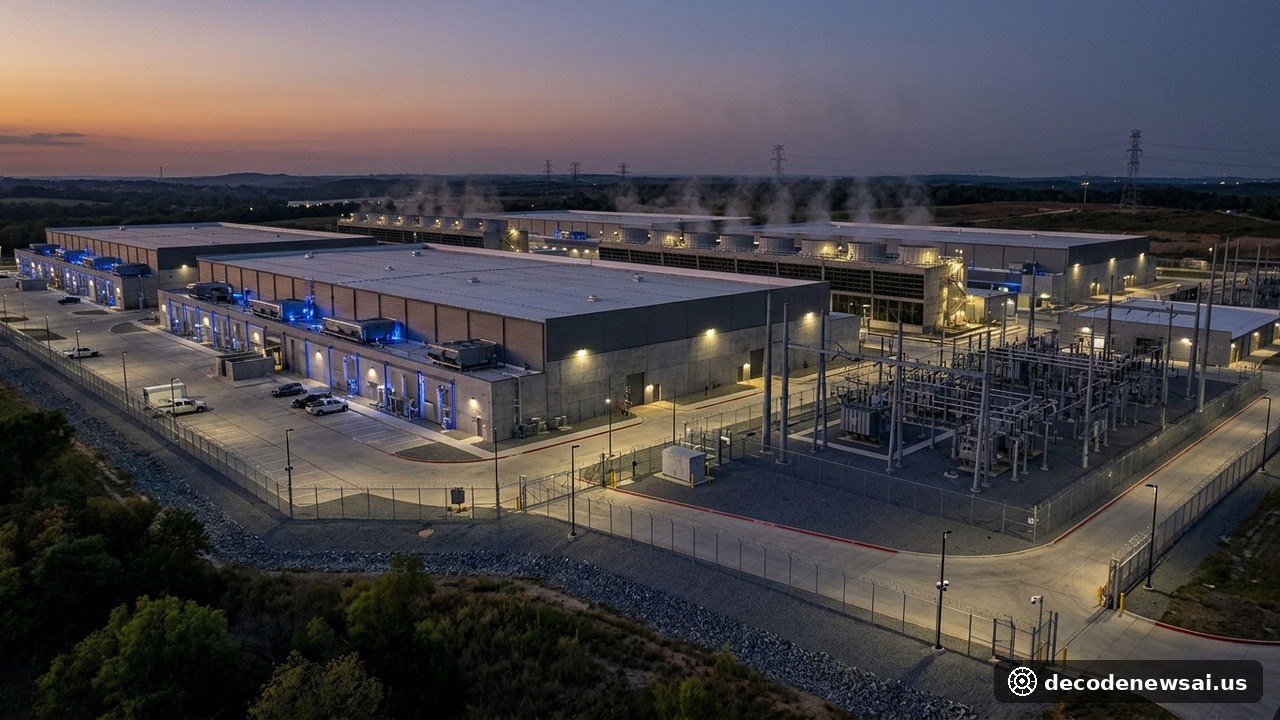
The Chilean hub has three physically separated availability zones in Huechuraba, Padre Hurtado, and Lampa around Santiago. Each zone has independent electrical power distribution, air-economizer cooling engineered for regional water conservation, 100 percent renewable energy, and dedicated high-speed fiber-optic interconnects. Banks and insurers in Chile are among the earliest adopters, using local data residency to comply with rules enforced by Chile's Financial Market Commission; confirmed launch customers include BTG Pactual, BancoEstado, Consorcio Seguros, Ripley, and Itaú.
AWS published its official regional launch announcement this week; the company stated: "Amazon plans to invest more than four billion dollars in Chile to support the new cloud region, which is estimated to contribute over seven point five billion dollars to gross domestic product and support 4,100 jobs annually." Initial operations offer core compute, storage, networking, and database services; AWS confirmed Amazon Bedrock and Amazon SageMaker will roll out within the region's first year of service.
Rival Microsoft already operates its three-site Chile Central region in Santiago; Google, ODATA, and Equinix are expanding regional megawatt capacity. Chile has solar and wind power and trans-Pacific submarine cable landings, resources that allow hyperscale data centers to run on 100 percent clean electricity. AWS engineered its Santiago availability zones around air-economizer cooling systems that avoid evaporative water towers and directly addressed environmental concerns about regional drought management.