Party Leaders Celebrate Historic Blue Wave as Mitch Landrieu Delivers Keynote
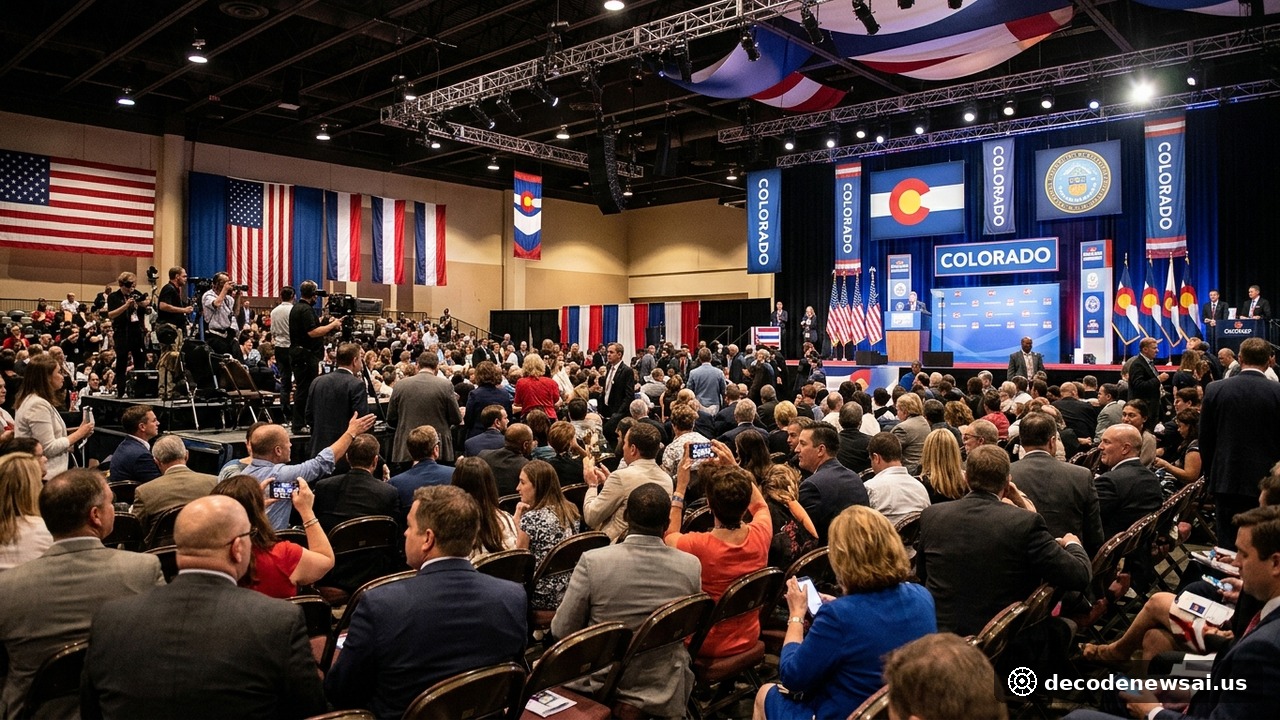
Fresh off sweeping midterm election victories that flipped both chambers of Congress, Democratic officials and strategists gathered in Denver on Thursday and Friday. The two-day What's Next conference was hosted by Majority Democrats, launched earlier this year to rebuild the party's coalition. With majorities in the US Senate and House, alongside control of at least 12 new state legislative chambers, leaders weighed how to use their newfound leverage.
According to The Washington Post and The Associated Press on Friday, the gathering drew incoming lawmakers, governors-elect and campaign strategists. Former New Orleans mayor Mitch Landrieu praised the national turnaround and called for renewed focus on working-class priorities. Texas Senator-elect James Talarico, who flipped a Republican seat, urged Democrats to engage voters pragmatically rather than in internal factional fights; he said voters repudiated wartime inflation and expect immediate results before the next presidential cycle.
Chaired by Massachusetts Representative Jake Auchincloss and directed by former White House aide Rohan Patel, Majority Democrats operates as a hybrid political committee. Forbes reported major donors backed the group to craft campaigns appealing across independent and working-class districts. Iowa Governor-elect Rob Sand, who broke decades of Republican rule, shared his approach of holding unfiltered town halls in every county and said answering questions openly builds trust among skeptical voters.
Incoming House Speaker Hakeem Jeffries and national committee officials participated in strategic discussions regarding committee chairs; strategists analyzed voting patterns across industrial suburbs. Congressional leaders used the Denver gathering to coordinate aggressive oversight once the new Congress convenes in January, signaling committee hearings into executive branch spending, tariff authorities and Justice Department enforcement actions during prior Republican majorities; Democratic committee staff began drafting document requests and hearing schedules, and incoming committee chairs prepared comprehensive subpoenas.