Valuation Jumps Sixfold in Six Months Ahead of 2027 Chip Rollout
London-based artificial intelligence hardware startup Fractile closed a $720 million Series C funding round this week, lifting its post-money valuation to $7 billion. The investment round, equivalent to roughly €649 million, was co-led by Thrive Capital, Founders Fund, Lightspeed Venture Partners, and Redpoint, with backing from the United Kingdom's Sovereign AI Fund. Fractile plans to challenge incumbent data-center processors with dedicated inference silicon. According to DutchStartup.ai and the Financial Times, Fractile's latest $7 billion valuation represents a sharp leap from its approximately $1.1 billion valuation just six months earlier. British government officials placed the post-funding valuation above £5 billion, while technology outlets estimated the dollar equivalent near $7 billion.
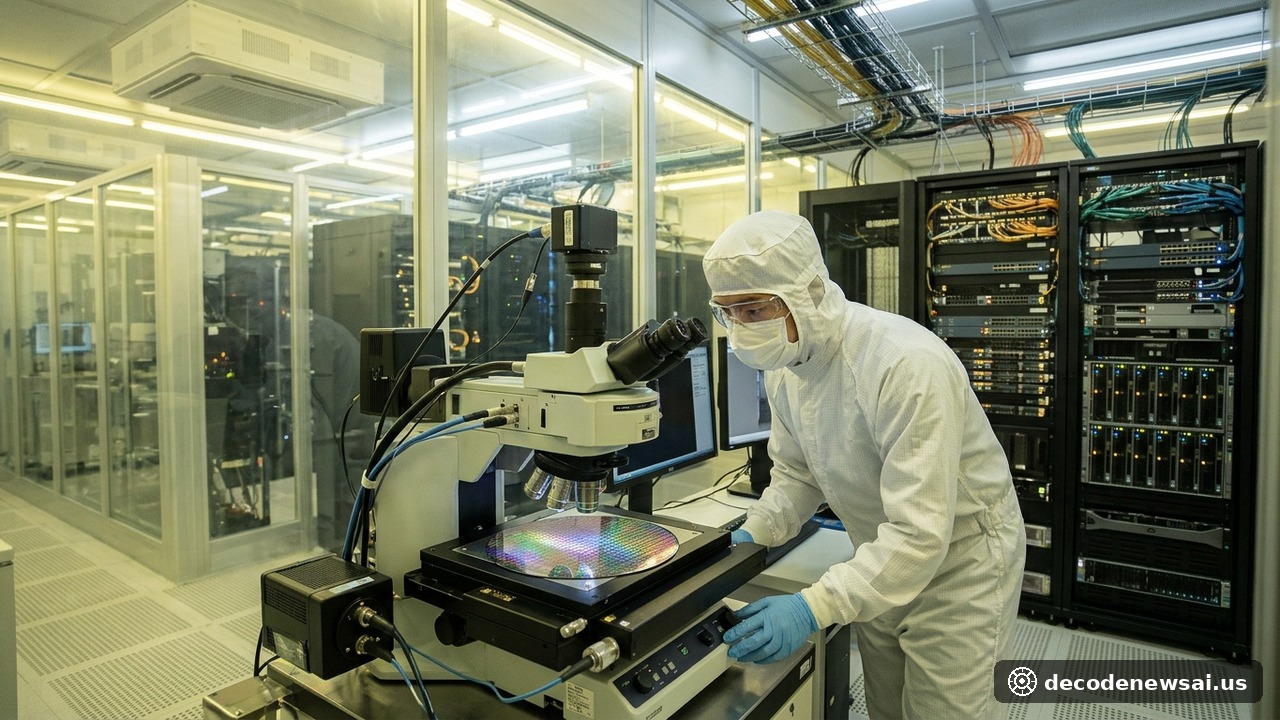
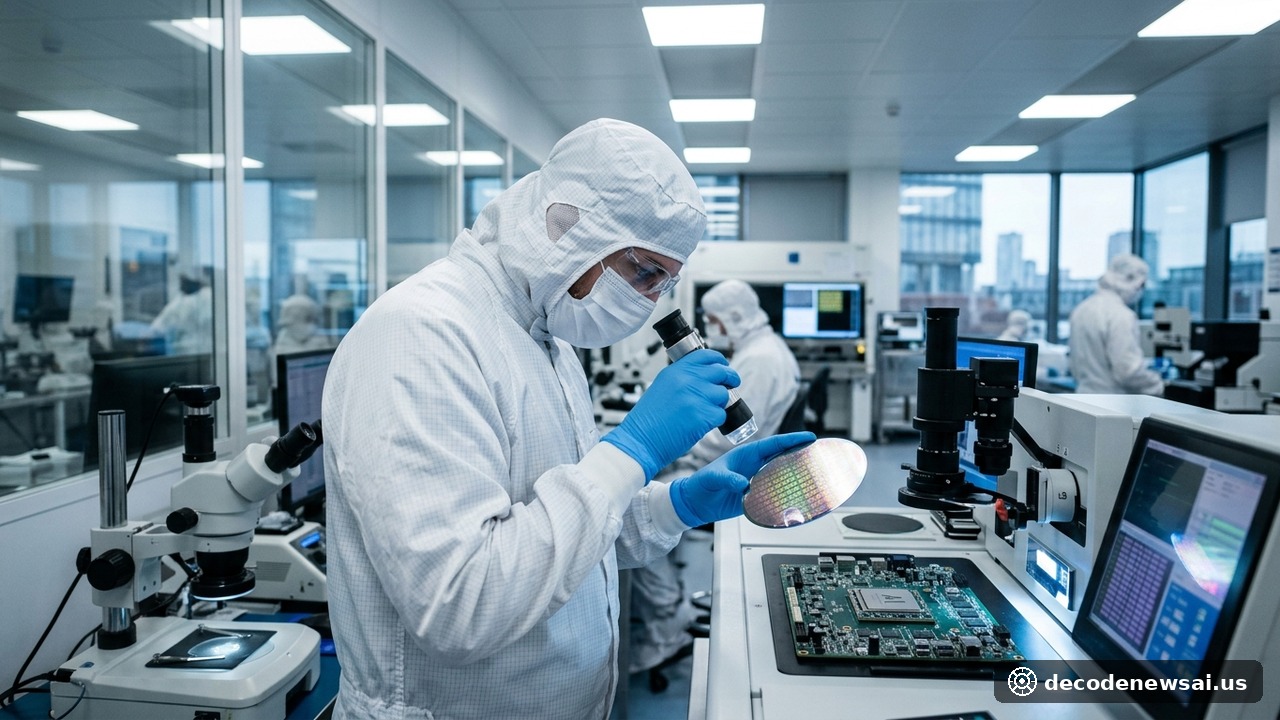
Founded in 2022 by chief executive Walter Goodwin—who holds a robotics doctorate from the University of Oxford—and co-founder Yuhang Song, Fractile designs processors tailored specifically for AI inference. Unlike training hardware, inference chips focus on generating fast responses from already-trained artificial intelligence models. Goodwin stated that Fractile expects to begin shipping its first commercial processors and rack-scale systems in 2027. Technically, Fractile stacks dynamic random-access memory (DRAM) directly onto its processor dies to eliminate traditional memory-bandwidth bottlenecks. The company states this tightly integrated architecture accelerates token generation speeds while sharply lowering power consumption across hyperscale data centers.
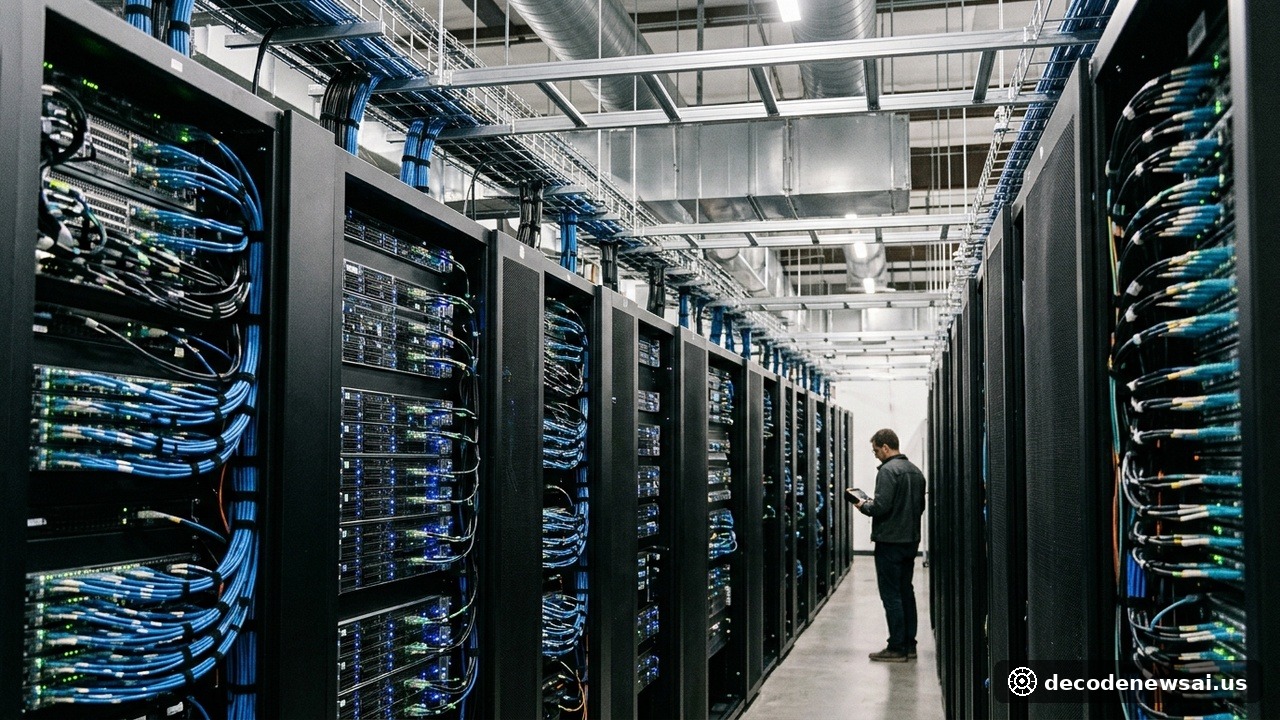
According to EU-Startups and Cryptopolitan, the newly raised $720 million capital reserve will primarily fund chip tape-outs, memory-stacking reliability testing, and early enterprise pilot clusters across European and North American cloud data centers. AI Business Weekly noted: "Fractile expects to start shipping its first chips and rack-scale systems in 2027, according to CEO Walter Goodwin. The company says its design stacks DRAM directly on its processors to speed up AI inference and cut energy use."