High Court Takes Up Border Enforcement Challenge
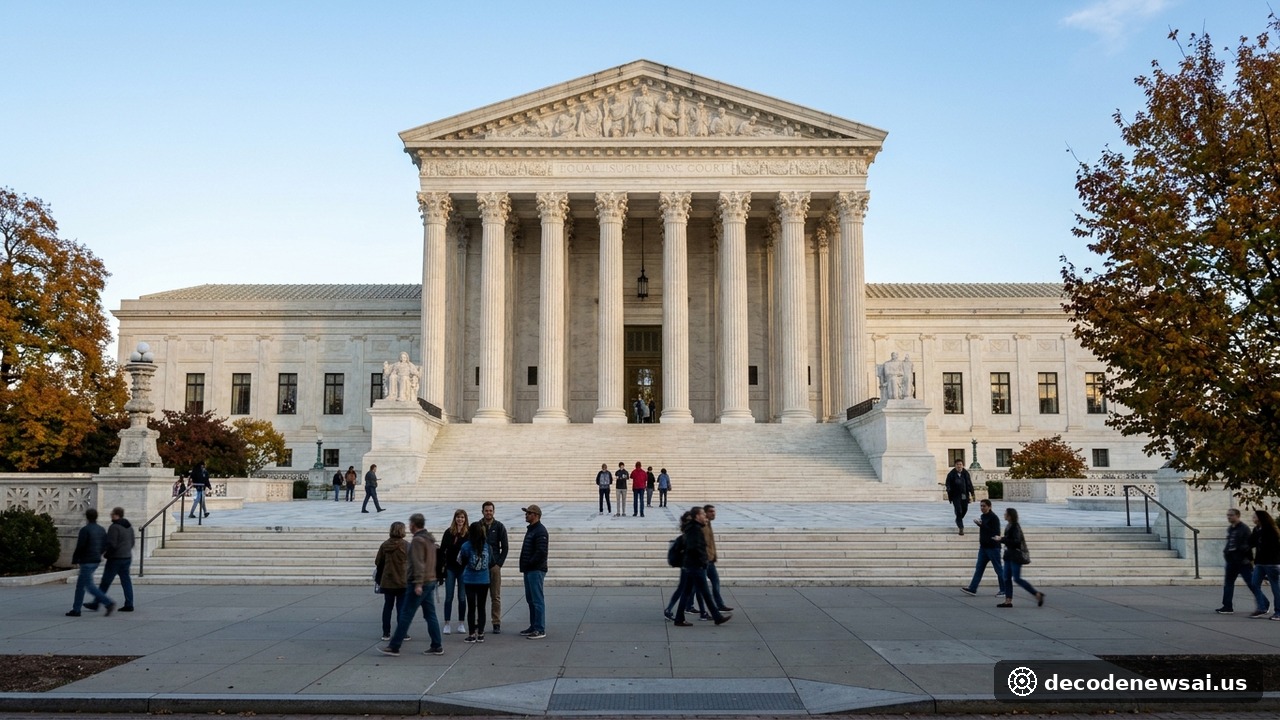
The U.S. Supreme Court agreed on November 13, 2026, to decide whether President Donald Trump's executive order suspending asylum applications along the southern border violates federal immigration law. Lower federal courts in Washington previously ruled the January 2025 directive illegal, holding that officials cannot eliminate asylum eligibility for an entire category of entrants. The justices will hear arguments in Mullin v. Refugee and Immigrant Center early next year; a ruling is due by June. Federal attorneys appealed those decisions while keeping the suspension order in force; Solicitor General D. John Sauer told the justices the January 2025 ban was the administration's single most effective border measure.
Administration lawyers contend federal immigration statutes grant the president broad proclamation power to suspend entry of any class of aliens when deemed detrimental to national interests, permitting categorical asylum denials without processing applications destined for rejection; they argued earlier multi-year backlogs forced releases into the country, while a three-judge panel on the D.C. Circuit Court of Appeals agreed with immigration advocacy groups that the president cannot unilaterally circumvent congressional asylum protections. "The president does not have the right to unilaterally override the protections Congress has afforded those fleeing danger," said Lee Gelernt, lead counsel and deputy director of the American Civil Liberties Union's Immigrants' Rights Project. Keren Zwick, executive director of the National Immigrant Justice Center, noted plaintiffs fled political imprisonment and threats from the Taliban.
The asylum appeal marks the third major immigration dispute placed on the Supreme Court's current term docket. Earlier in 2026, the justices ruled in favor of the administration in a separate border case, clearing a path to revive metering practices that limit daily migrant processing. Separate visa bans suspended immigrant processing across more than seventy nations.