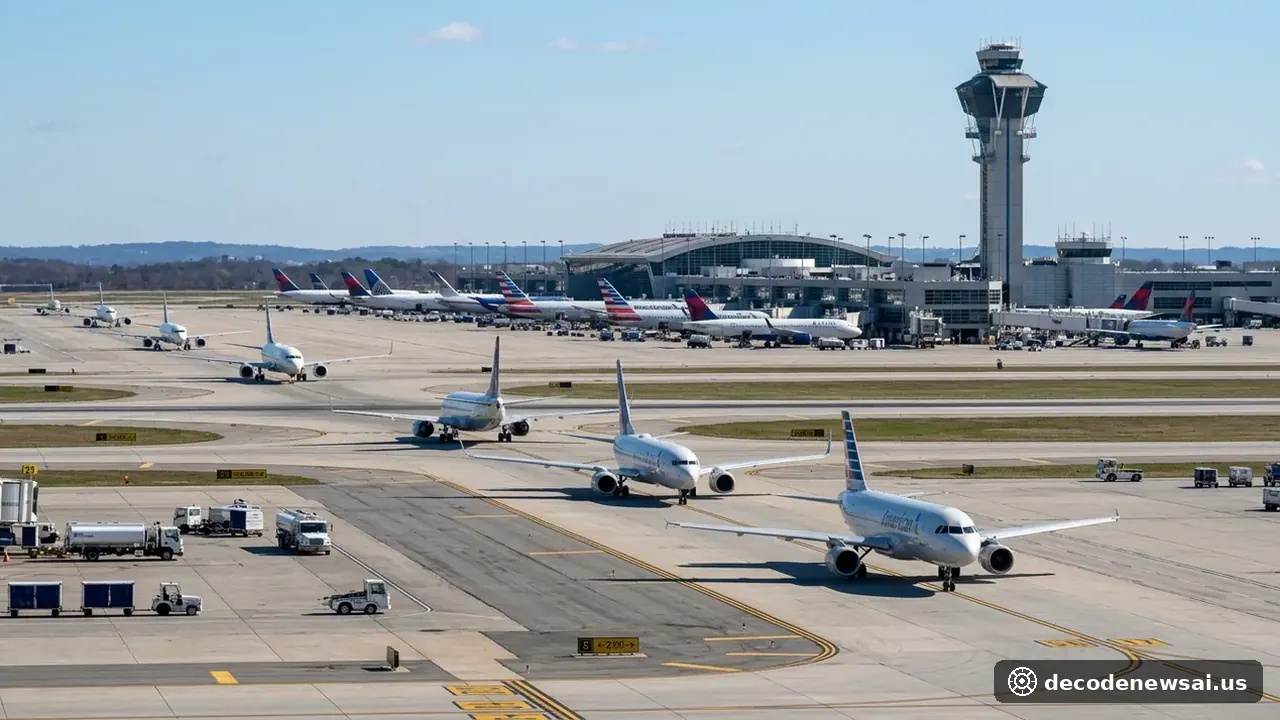
WASHINGTON - The Federal Aviation Administration announced late Nov. 14 that national flight schedules are returning to normal following an air traffic control communications outage.
What happened
Air traffic controllers lifted flight management holds after technical engineers replaced overloaded data routers and network switches serving regional centers. Commercial air carriers repositioned displaced passenger aircraft and relocated crew members across 24 hours to clear departure bottlenecks across Midwestern and East Coast terminals. Flight tracking dashboards indicated cancelations plummeted across domestic hubs on Sunday morning. The air traffic management disruption prompted aviation leaders to review hardware redundancy standards across twenty-two regional en route centers. Transportation officials confirmed backup telecommunications switches responded as designed once technicians isolated faulty data routing hardware. Commercial carriers reported passenger rebooking operations concluded ahead of schedule across major Midwestern transit hubs.
Why does it matter
The technical outage underscored vulnerabilities across federal aviation infrastructure as seasonal passenger volumes climb toward annual records. Transportation Department supervisors directed aviation inspectors to review backup communications systems across 22 regional air route traffic control facilities.
What comes next
Federal regulators will deliver a formal briefing on system redundancy to the House Transportation Committee before scheduled oversight sessions in December 2026. Major domestic airlines project full flight schedule stability ahead of peak Thanksgiving passenger traffic. Major domestic airlines confirmed flight dispatch schedules returned to baseline operational standards nationwide ahead of peak seasonal holiday passenger travel across Midwestern and coastal airspace.